The Rise of Physical AI: How Robots Are Transforming Industries in 2026
As we enter 2026, the tech landscape is undergoing a revolution that could redefine the way we work and interact with machines. The emergence of Physical AI—the integration of generative and autonomous AI systems into robots and physical devices—is reshaping industries from manufacturing to customer service. This shift is not merely a trend; it's a transformative wave that promises to enhance efficiency, productivity, and the overall quality of work.
What is Physical AI?
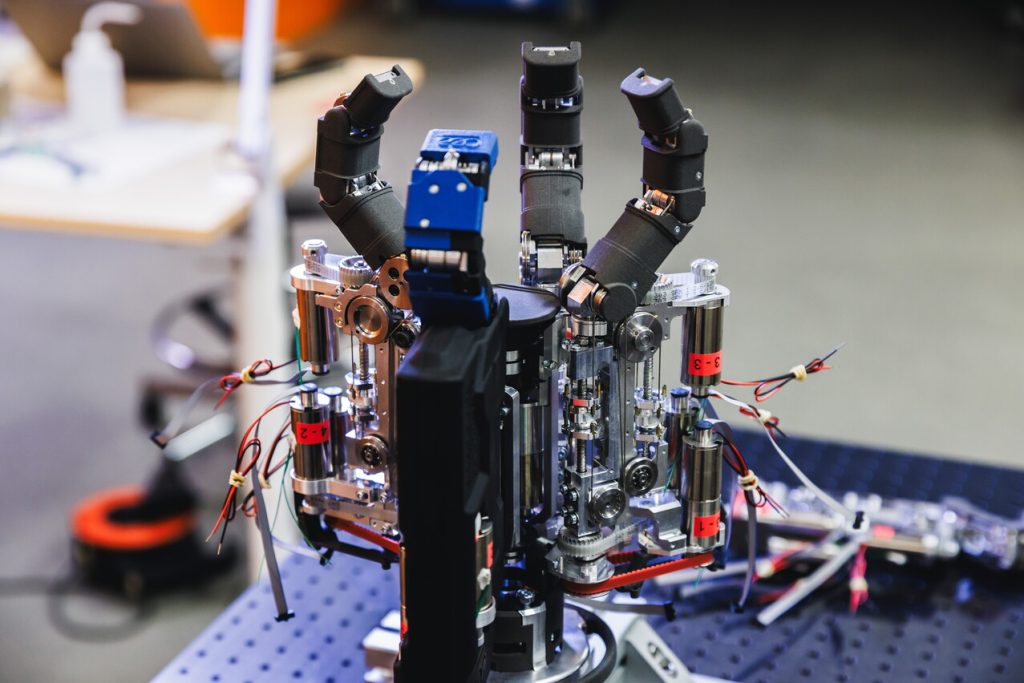
Physical AI refers to the deployment of intelligent automation through robots capable of performing complex tasks in real-world environments. Unlike traditional automation, these robots are equipped with advanced AI capabilities that enable them to learn from their surroundings, make decisions, and collaborate with human workers seamlessly. This integration is not just about replacing human labor; it's about augmenting it, allowing for a more dynamic and responsive workforce.
Key Applications of Physical AI
1. Manufacturing
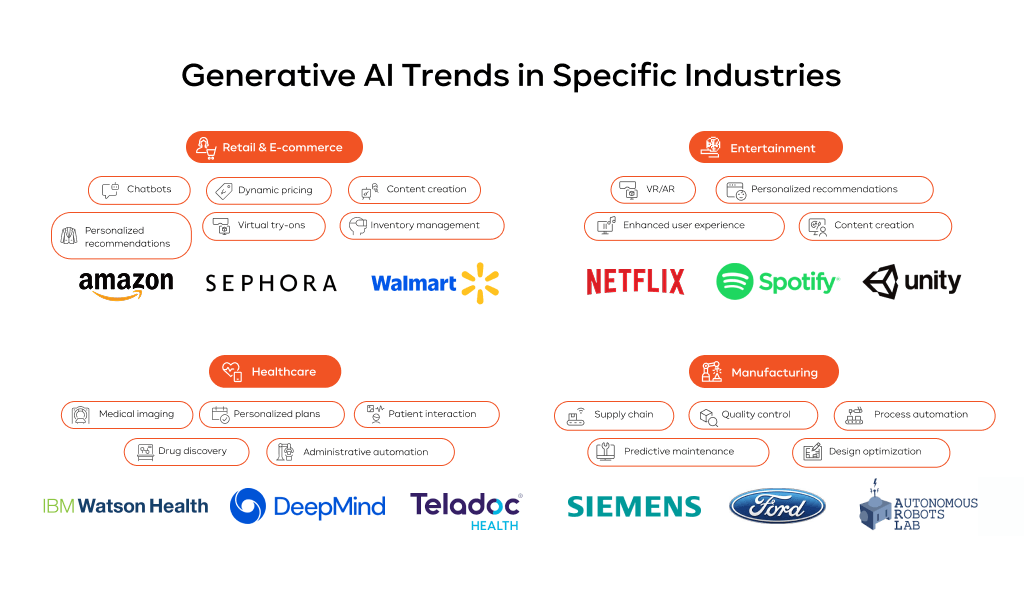
In the manufacturing sector, robots powered by Physical AI are now capable of troubleshooting anomalies on the assembly line without human intervention. This advancement not only enhances efficiency but also reduces downtime significantly. According to a report by Bravent, the transition from digital AI to Physical AI is gaining momentum, with companies increasingly relying on intelligent robots to streamline production processes.
2. Logistics
The logistics industry is experiencing a breakthrough with the deployment of autonomous drones and vehicles, which are transforming supply chain operations. These technologies allow for faster deliveries and optimized routes. For instance, Amazon and other major retailers are investing heavily in drone technology to enhance their delivery capabilities, ensuring that goods arrive at consumers’ doorsteps quicker than ever before.
3. Customer Service
In retail environments, Physical AI is making headway through the use of intelligent robots that assist customers, manage inventory, and even provide personalized shopping experiences. A recent trend observed in stores is the use of AI-powered kiosks that can interact with customers, answer their queries, and guide them through the shopping experience. This not only improves customer satisfaction but also allows staff to focus on more complex tasks.

The Impact on Employment
While the rise of Physical AI raises concerns about job displacement, it also creates opportunities for new roles focused on managing and maintaining these advanced systems. According to the World Economic Forum, by 2026, over 85 million jobs may be displaced by a shift in the division of labor between humans and machines, but this shift could also create 97 million new roles that are more adapted to this new division of labor. Workers will need to adapt by acquiring new skills in AI management and robotics, emphasizing the importance of continuous learning.
Challenges and Considerations
Despite the potential benefits, the integration of Physical AI is not without challenges. Businesses must consider ethical implications, including the safety of AI systems and their impact on employment. Moreover, as noted in a recent article by Bravent, strategic security becomes a foundational requirement for ensuring digital trust and operational resilience in these automated environments.
The Need for Regulation
As industries embrace Physical AI, there is an increasing call for regulations that govern the ethical use of robots. This includes ensuring that AI systems are not only effective but also fair and accountable. Establishing frameworks for data privacy and security will be crucial as businesses integrate these technologies into their operations.
Conclusion
The transition to Physical AI is not just about technological advancement; it's about reimagining how we work and interact with machines. As businesses increasingly adopt this trend, the potential for innovation and efficiency is limitless. By preparing for a future where robots are not merely tools but intelligent partners, industries can harness the full potential of Physical AI to drive growth and enhance productivity.

Stay tuned as we explore how these technologies will continue to shape our lives in the coming years, paving the way for a future where collaboration between humans and robots becomes the norm.
For further insights into the latest trends in technology and business innovation, be sure to check out more resources from industry leaders.