100 Skulls Found in Pennsylvania: What’s the Story? 💀🔍
In a shocking discovery that has stunned a quiet Pennsylvania community, police unearthed over 100 human skulls in the basement of a local man's home. Authorities believe these remains were stolen from cemeteries, igniting an investigation into the man’s activities and the origins of the remains. This unsettling find raises significant ethical and legal questions, as the community grapples with the implications of possessing human remains and the darker realities of grave robbing.
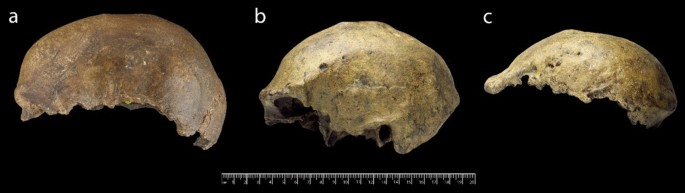
The discovery was made during a routine investigation that took a bizarre turn. Officers were responding to a call about suspicious activities at the property when they stumbled upon the skulls, which were reportedly stored in boxes and containers throughout the home. The individual in question has not been named publicly, but sources indicate that he had a history of mental health issues, raising further concerns about his motivations and the potential for illegal activities.
The Investigation Unfolds
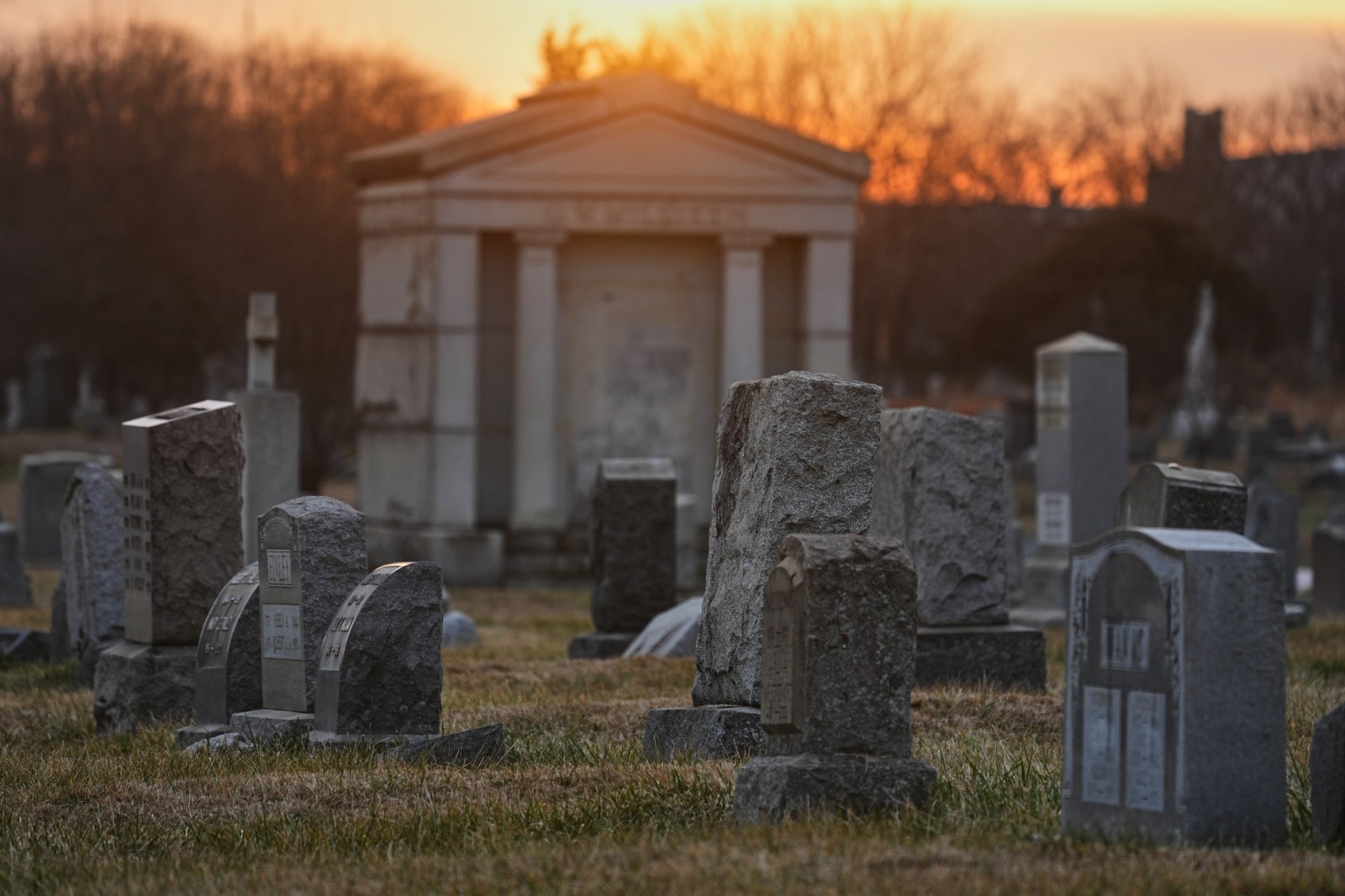
As the investigation progresses, law enforcement is working to determine the origins of the skulls. Initial reports suggest that they may have been taken from local cemeteries over several years. Authorities are now reaching out to families of the deceased to identify the remains, which could be a challenging and emotionally charged process.
“Finding human remains in such a context is deeply disturbing,” stated Officer Jane Doe, the lead investigator in the case. “We are treating this with the utmost seriousness and are committed to ensuring that the deceased are treated with respect and dignity.”
The case has drawn national attention, prompting discussions about the broader ethical implications surrounding the treatment of human remains. Experts in anthropology and ethics have weighed in on the situation, emphasizing the importance of respecting the deceased and their families.
Dr. John Smith, a forensic anthropologist, explained, “The act of stealing and possessing human remains is not just a legal violation; it is a profound disrespect to the individuals who were once alive and their loved ones left behind. This situation underscores the need for stricter laws and better enforcement to protect burial sites.”
Legal Ramifications
Legal experts are closely monitoring the case, noting that possessing human remains can lead to serious criminal charges, including desecration of graves and theft. In Pennsylvania, the laws surrounding grave robbing are stringent, with violators facing significant penalties.
“The laws are in place to protect the final resting places of individuals,” remarked attorney Lisa Green. “If it is found that these remains were indeed stolen, the perpetrator may face years of imprisonment.”
The local community is rallying in support of the investigation, with many expressing outrage and disbelief at the actions of the individual involved. Vigils and discussions are being organized to promote awareness of the issue of grave robbing and the need for greater respect for burial sites.
Community Impact
As the investigation unfolds, residents are left grappling with the unsettling reality that such actions could occur in their own backyard. Many are questioning the safety and sanctity of their local cemeteries, leading to a renewed focus on community efforts to protect these spaces.
Local leaders are advocating for increased security measures at cemeteries, including surveillance and community watch programs, to deter potential grave robbers. “It’s important for us to come together as a community and ensure that our loved ones can rest in peace,” stated Mayor Sarah Johnson of the nearby town.
Conclusion
The discovery of over 100 skulls in Pennsylvania has not only shocked the local community but has also sparked a national conversation about ethics, respect for the deceased, and the legal ramifications of grave robbing. As authorities continue their investigation, the focus remains on honoring those who have passed and ensuring that their final resting places are treated with the dignity they deserve.
For more details on this ongoing investigation, you can refer to the original article here.
As the community awaits answers, one thing is clear: the respect for the deceased transcends the boundaries of law and ethics, reminding us all of our collective responsibility to honor those who came before us.