RFID Technology Trends from CES 2026: What You Need to Know
The Consumer Electronics Show (CES) 2026, a hallmark of technological innovation, hosted a myriad of cutting-edge advancements this year. However, RFID (Radio-Frequency Identification) technology notably took a back seat, signaling a potential shift in focus within the tech community. While it may not have dominated the headlines, several key trends emerged from the event, particularly in the realms of energy harvesting and active labeling technologies, which could shape the future of RFID applications across industries.
1. Energy Harvesting Innovations
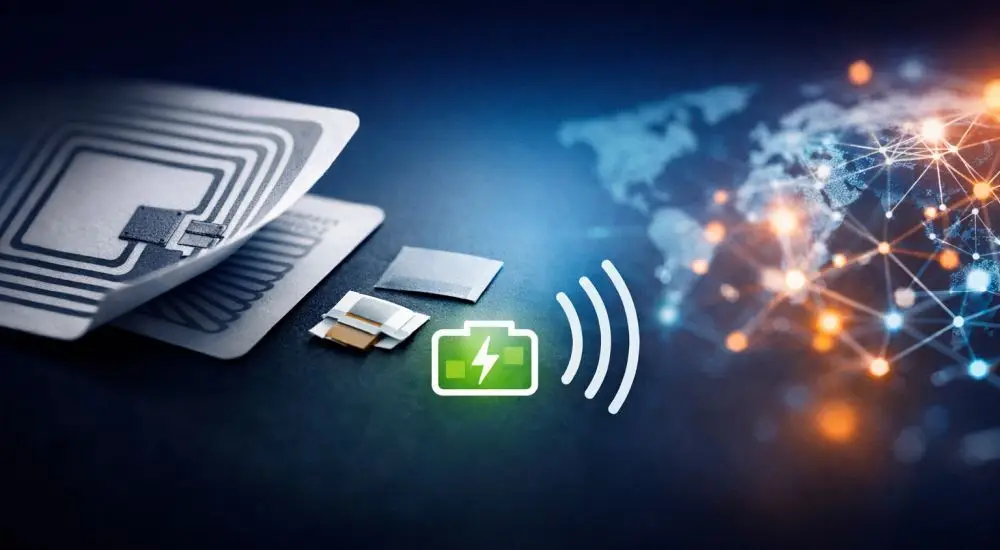
One of the standout trends in RFID technology observed at CES 2026 is the rise of energy harvesting innovations. These technologies are becoming increasingly relevant in the context of RFID and NFC (Near Field Communication) applications. Manufacturers are now developing RFID tags and connected labels that can harvest energy from their environment, thus eliminating the need for battery replacements and enhancing sustainability.
The integration of energy-harvesting capabilities allows these devices to operate continuously, enabling more efficient data processing and communication. As highlighted in a recent analysis, "these developments promise to enhance the functionality of connected labels, making them more efficient and sustainable" (source: WIoT Group).
This shift toward energy harvesting not only reduces the carbon footprint associated with traditional battery-powered RFID tags but also opens up new possibilities for applications in remote monitoring, supply chain management, and even smart packaging solutions.
2. Active Label Technology
Another significant trend that emerged at CES 2026 is the advancement of active label technology. Active labels are capable of communicating data back to systems, moving beyond passive RFID tags that only respond to external readers. As these labels become more sophisticated, they promise to provide real-time data and analytics, creating a more interactive experience for users.
This technological evolution reflects a growing demand for smarter, more responsive labeling solutions. With active labels, industries such as retail, healthcare, and logistics can benefit from enhanced tracking capabilities, improved inventory management, and better consumer engagement. As noted by experts, this trend indicates a shift towards more interactive and intelligent labeling solutions.
3. RFID's Role in the Broader Tech Ecosystem
While RFID technology was not the star of CES 2026, its relevance remains undeniable within the broader tech ecosystem. The integration of RFID with cutting-edge technologies like the Internet of Things (IoT) and artificial intelligence (AI) is crucial for creating comprehensive tracking and identification systems.
For instance, RFID can work in tandem with IoT sensors to provide real-time visibility into supply chains, allowing businesses to optimize operations and reduce waste. Furthermore, the incorporation of AI can enhance data analytics capabilities, leading to smarter decision-making processes. As stated in industry reports, "RFID was positioned less as a standalone technology and more as an identity or checkpoint layer that interacts with more precise methods for continuous tracking."
Conclusion
In summary, while RFID technology may not have taken center stage at CES 2026, the trends observed indicate a continuing evolution towards more efficient and interactive systems. Innovations in energy harvesting and active labeling are paving the way for a future where RFID plays an integral role in enhancing the capabilities of connected devices across various industries. As these technologies develop further, their potential to impact how businesses operate and interact with consumers will likely continue to grow.
For more insights on the evolution of RFID technology and its implications for various sectors, consider exploring WIoT Group's analysis.
As we move forward into 2026 and beyond, keeping an eye on these trends will be essential for stakeholders looking to leverage RFID technology in their operations and enhance their competitive edge in the market.