2026 Airport Innovations: The Tech Trends Transforming Travel
As we step into 2026, the aviation industry is on the brink of a technological renaissance, with innovations that promise to redefine the airport experience. From sustainable operations to digital identities, airports are adopting cutting-edge technologies that enhance efficiency, improve safety, and reduce environmental impact. Here’s a look at the transformative trends shaping the future of air travel.

1. Sustainability at the Core
The urgency of climate change is driving airports to become proactive players in sustainability. Transitioning from isolated entities to collaborative ecosystems, modern airports are prioritizing decarbonization. Innovative microgrids, which integrate solar technology and predictive energy management systems, are becoming essential for energy resilience. These systems empower airports to optimize their energy consumption in real-time, ensuring a reduction in their carbon footprint while maintaining operational efficiency.
For instance, London City Airport has successfully implemented these systems, showcasing how green technology can enhance energy resilience during power disruptions. Such initiatives are crucial as global air travel is projected to surge, with an estimated 18.9 billion passengers by 2047, necessitating a sustainable approach to airport operations.
2. Digital Identity and Biometric Technologies
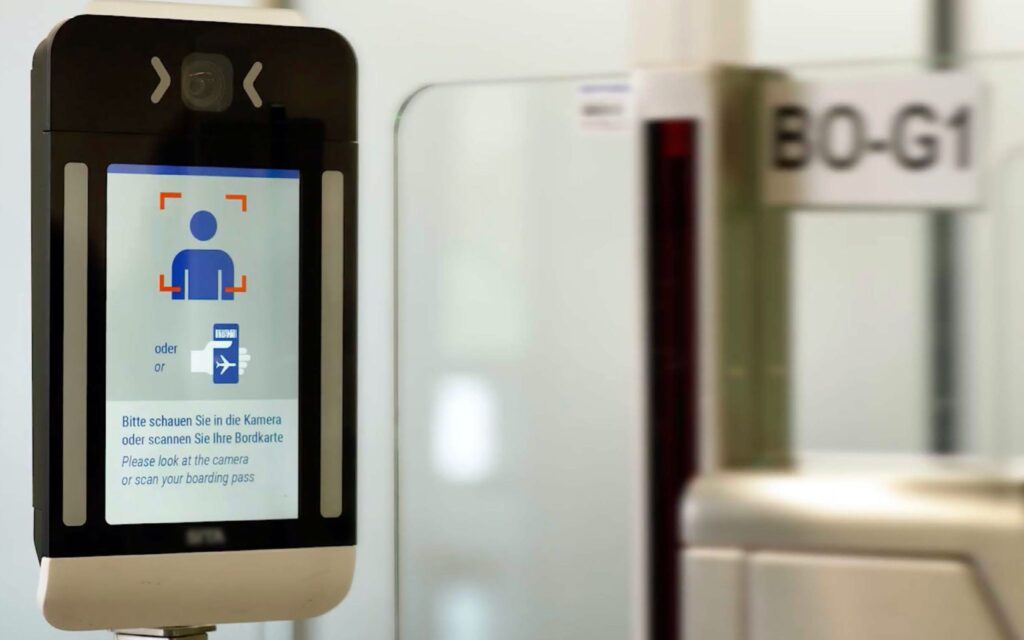
The push for a seamless traveler experience is catalyzing the adoption of digital identity solutions. Initiatives like the International Air Transport Association’s (IATA) One ID are paving the way for paperless journeys. This approach allows passengers to control their digital identities from check-in to boarding, streamlining the travel process.
Major airports, including Singapore Changi and Heathrow, are deploying biometric boarding and facial recognition technology to enhance processing times without compromising security standards. In the U.S., the Transportation Security Administration has expanded its Digital ID program to over 250 airports, facilitating the use of mobile driver’s licenses for identity verification. This technological evolution not only simplifies the travel experience but also bolsters security measures.

3. AI in Air Traffic Management
Artificial Intelligence (AI) is revolutionizing air traffic management, enabling smarter, data-driven decisions that enhance safety and reduce delays. Advanced AI systems now support air traffic controllers with decision-support tools that analyze real-time data regarding weather, airspace conditions, and traffic density.
Additionally, technologies such as digital twins and virtual towers are expanding the capabilities of air navigation services. Digital twins allow airports to simulate operations, conduct “what-if” testing, and optimize scenarios without disrupting live traffic. This foresight is particularly valuable in managing complex airspaces, laying the groundwork for a connected and efficient airspace ecosystem.
4. E-commerce Integration
The rise of e-commerce is also transforming airport operations, as it now accounts for a significant portion of air cargo volumes. Airports are leveraging AI and advanced analytics to optimize cargo flows and enhance traceability through blockchain technologies. These innovations are crucial for improving operational efficiencies and ensuring timely deliveries.
With e-commerce projected to continue growing, airports must adapt by integrating these technologies into their logistics and supply chain processes. IATA’s ONE Record standard is promoting end-to-end data exchange, enabling greater transparency and interoperability across the supply chain. This strategic focus not only enhances operational capacity but also meets rising consumer expectations for efficiency and reliability in air cargo services.
Conclusion
As we embrace 2026, the innovations set to shape airport operations reflect a common goal: making air travel more sustainable, efficient, and resilient. From AI-driven air traffic management to digital identity solutions and renewable energy ecosystems, these trends signify that technology will no longer be seen as an optional enhancement but rather a foundational element for competitiveness in the aviation industry.
Airports that act decisively—by embedding innovation into their infrastructure, operations, and culture—will be well-positioned to meet the demands of travelers while adhering to sustainability goals. The future of air travel is bright, and it’s powered by technology that prioritizes both efficiency and environmental responsibility.
For more insights on the future of airport technology, visit International Airport Review.