
BIPV Technology Trends: The Future of Smart Solar Buildings in 2026! ☀️🏢
Building Integrated Photovoltaics (BIPV) are revolutionizing the way we think about architecture and energy use in urban environments. As we step into 2026, these technologies are becoming essential for creating smarter, more efficient buildings that harmonize with their surroundings. With a focus on sustainability, BIPV is set to transform not only how buildings generate energy but also how they are perceived aesthetically.
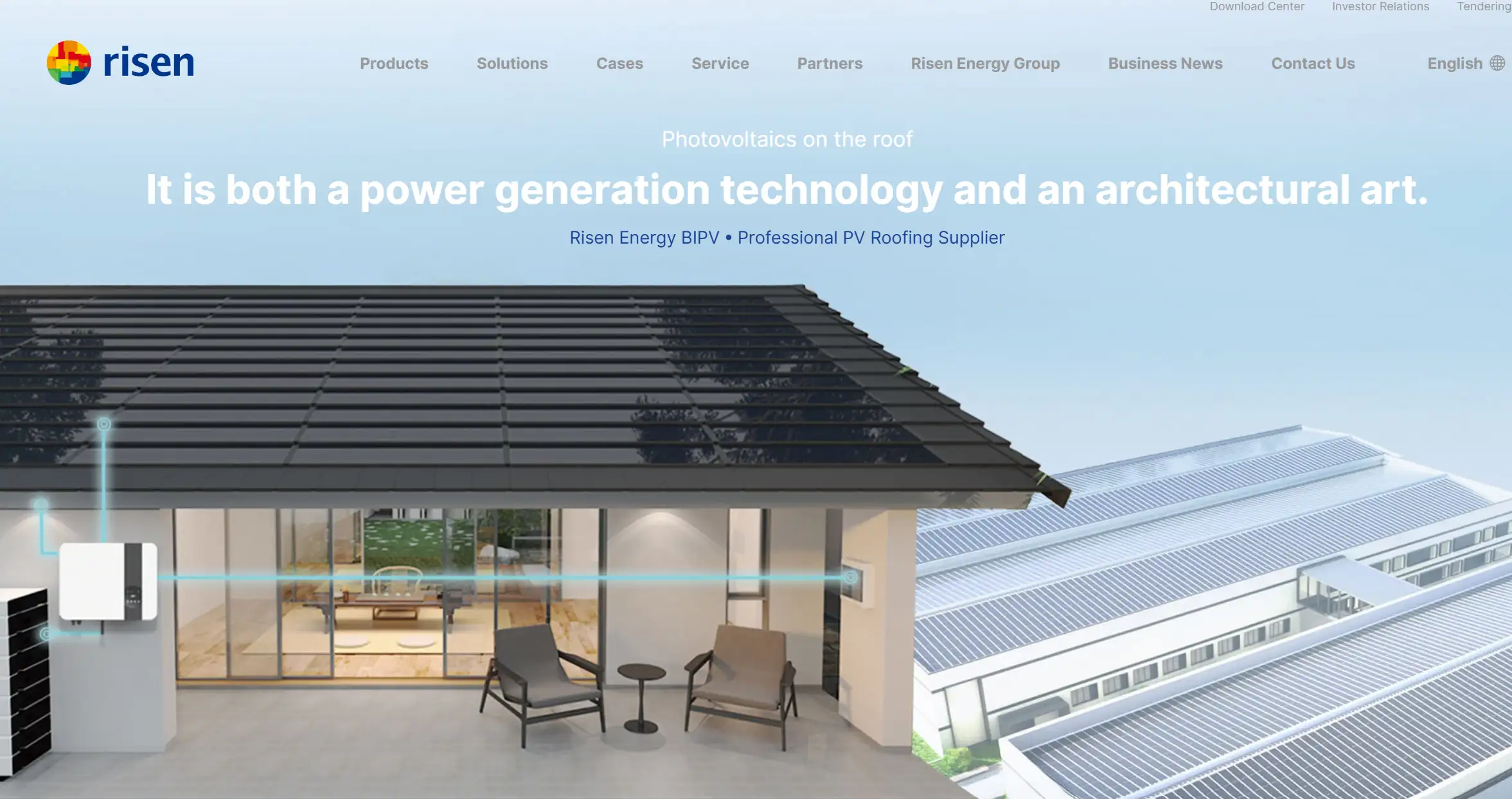
Key Innovations in BIPV
1. Transparent Solar Panels
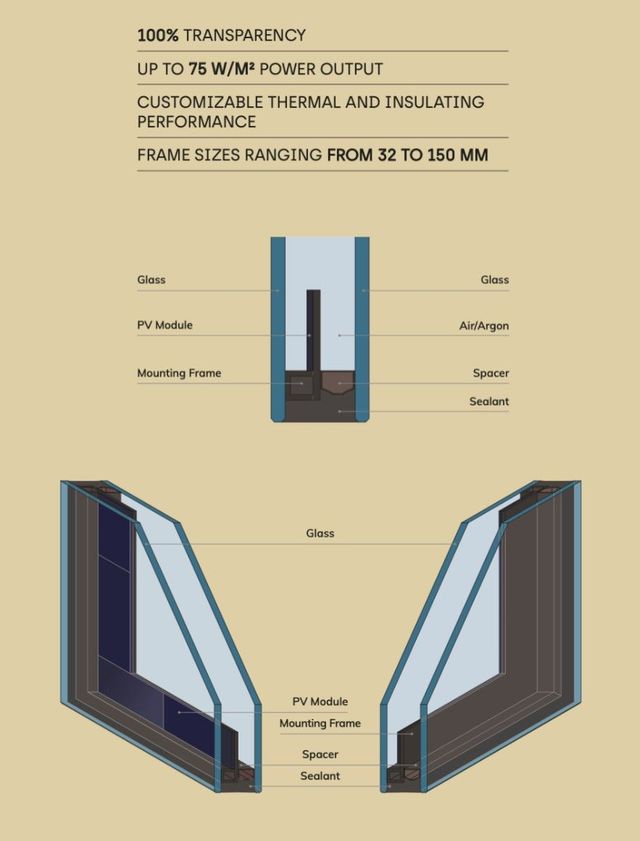
Recent advancements in transparent solar technology allow buildings to harness solar energy without compromising aesthetics. These transparent panels can be integrated seamlessly into windows and facades, making it possible for architects to design visually appealing structures that also serve functional energy needs. According to experts, this technology could redefine how urban spaces incorporate solar solutions, enhancing energy independence while maintaining design integrity.
2. Smart IoT Integration
The integration of Internet of Things (IoT) technology with BIPV systems enables real-time monitoring of energy consumption. This capability allows building managers to optimize energy use, leading to a significant reduction in waste. A report from JMBIPVTech suggests that buildings equipped with smart IoT systems can achieve energy savings of up to 30%, highlighting the financial and environmental benefits of adopting cutting-edge BIPV solutions.
3. Advanced Materials
The development of stronger and safer materials enhances the durability of BIPV systems. Innovations in materials science have led to the creation of options that withstand diverse weather conditions, making them suitable for a broader range of architectural styles. This flexibility is crucial as cities continue to grow and evolve, necessitating buildings that can adapt to changing environments while remaining energy-efficient.
4. Energy Efficiency
BIPV systems not only reduce energy costs but also contribute to a building's overall sustainability profile. By incorporating solar technology into building materials, developers can significantly cut energy expenses, making BIPV a compelling option for both new constructions and retrofitting existing buildings. The potential for a 30% reduction in energy costs is attracting interest from developers looking to invest in environmentally responsible construction practices.
The Impact of BIPV on Urban Architecture
As cities evolve, the integration of BIPV technology is playing a crucial role in achieving sustainability goals while enhancing the visual appeal of urban landscapes. Cities worldwide are beginning to see an influx of buildings designed with BIPV technologies integrated into their structures, showcasing a commitment to both modernity and environmental responsibility.
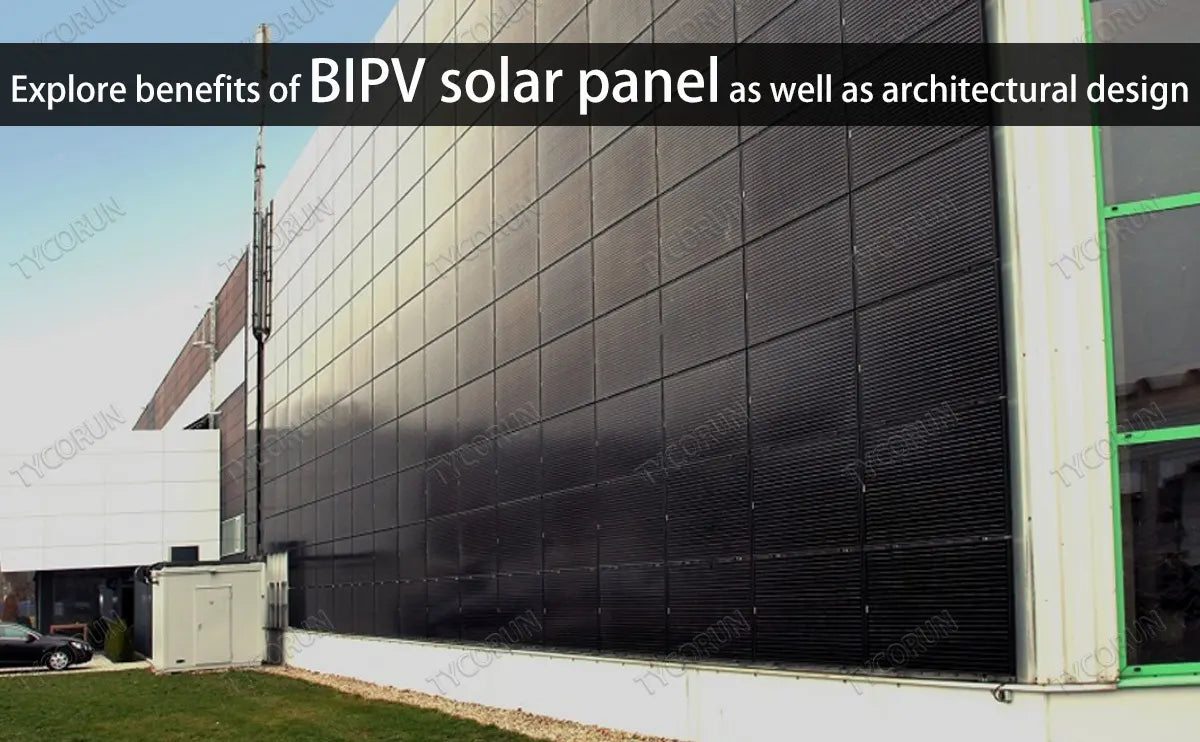
The shift towards BIPV reflects a broader trend in architecture that prioritizes energy efficiency, reduced carbon footprints, and aesthetic value. BIPV systems allow buildings to be both functional and beautiful, blending into their surroundings while also producing energy.
Join the Movement Towards Greener Buildings
The rising adoption of BIPV solutions signifies a shift towards greener building practices that support sustainable urban growth. As more architects and developers recognize the benefits of BIPV, we can expect to see an increase in projects that incorporate these innovative solar technologies. By embracing BIPV, stakeholders can contribute to a more sustainable future while enhancing the beauty and functionality of urban environments.
The future of smart solar buildings is bright, and with BIPV technology at the forefront, 2026 promises to be a pivotal year for architectural innovation and energy efficiency.

In conclusion, Building Integrated Photovoltaics are not just a trend; they are a fundamental shift in how we design and build for the future. The convergence of aesthetic design and cutting-edge energy technology presents an exciting opportunity to redefine urban living in 2026 and beyond.
Learn more about BIPV technologies and their impact on architecture at JMBIPVTech.
As we navigate the challenges of climate change and urbanization, BIPV stands out as a beacon of innovation—a powerful tool for architects, developers, and city planners committed to creating a sustainable and energy-efficient future.
By embracing Building Integrated Photovoltaics, we can change the skyline of our cities while reducing our environmental impact, paving the way for a greener tomorrow.