
The Viral AI-Generated Crying Women Videos: A New Trend in Parenting? 🤖💔
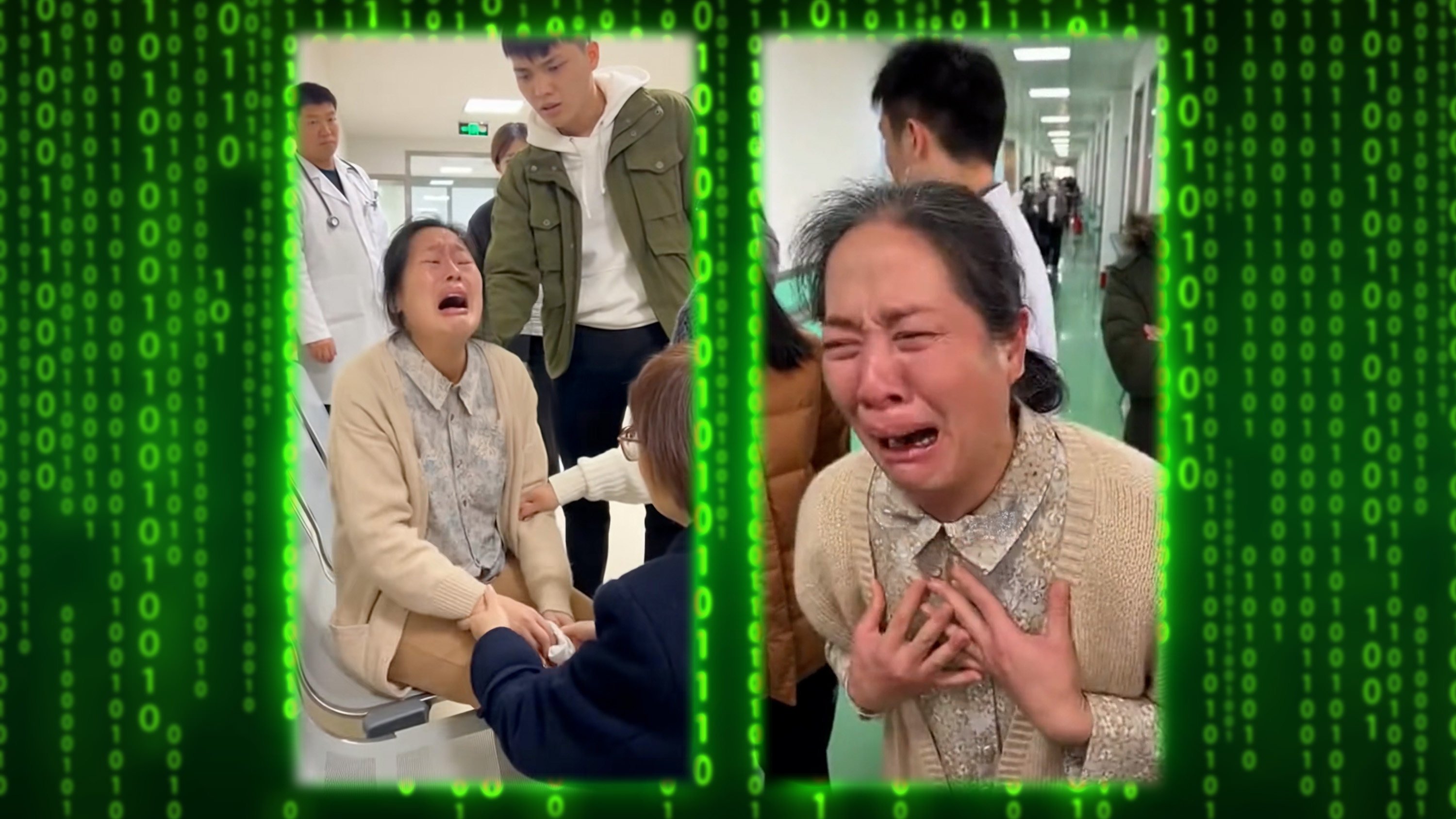
In a quirky twist to modern parenting, a new trend has taken China by storm, where parents are sharing AI-generated videos of distressed middle-aged women crying. These clips are intended to spur their children into marriage, stirring a cocktail of humor, anxiety, and societal reflection. The videos showcase women lamenting their single status, aiming to evoke empathy and a sense of urgency among younger generations to tie the knot. As this bizarre yet captivating phenomenon goes viral, it raises compelling questions about societal expectations, the role of technology in family dynamics, and the ethics behind such digital manipulations.
The Birth of a Trend
The trend appears to have emerged organically within online communities, particularly on platforms like Weibo and Douyin (the Chinese equivalent of TikTok). Parents, perhaps frustrated with their children's reluctance to settle down, have turned to technology for a solution. By employing AI to generate videos of emotional women expressing despair over being unmarried, they hope to provoke a reaction from their children. The aim? To pressure them into considering marriage as a priority.
"The videos tap into a rich vein of cultural narratives around family and responsibility," explains Dr. Mei Fang, a sociologist at Tianjin University. "In many Asian cultures, particularly in China, there is immense pressure to marry young and start a family. This trend is simply a modern manifestation of that age-old expectation."
Critics of the trend argue that these AI-generated clips are emotionally manipulative and reflect a deeper crisis within familial relationships. As technology increasingly intertwines with personal lives, some question whether this approach is a healthy way to encourage a commitment.
The Emotional Landscape
The videos typically feature women, often portrayed as mothers or aunts, expressing profound sorrow. They lament their own unmarried status, pleading for their children to not follow in their footsteps. The emotional weight of these videos often prompts waves of social media engagement, with users sharing, remixing, or parodying the content.
"Initially, I found it funny, but then I thought about the pressure it represents," said Liu Wei, a 30-year-old single professional in Beijing. "Our parents’ expectations can be overwhelming, and using AI like this feels bizarre. It’s like they’re trying to weaponize technology against us to get what they want."
A Reflection of Societal Pressures
This trend not only entertains but also serves as a stark reminder of the societal pressures surrounding marriage in China. As of late 2025, reports indicate that the average marriage age in China has been rising steadily, with women marrying at an average age of 28 and men at 30. This shift reflects changing attitudes toward marriage, career priorities, and personal freedoms among younger generations.
The increasing age of marriage has been linked to various factors, including economic pressures and evolving gender roles. In a society where familial expectations are deeply ingrained, AI-generated crying videos project the anxieties of parents facing a generational divide.
The Ethics of AI in Family Dynamics
As artificial intelligence continues to advance, ethical considerations around its application in personal matters grow increasingly pertinent. Critics argue that using AI to manipulate emotions undermines authentic human experiences and relationships. "It's one thing to use tech for fun, but using it to pressure someone into a life decision is disturbing," comments Dr. Feng Li, an ethicist at Peking University.
Parents engaged in this trend may not fully grasp the emotional ramifications of using AI-generated content. While they might view it as a harmless nudge toward responsibility, it raises questions about consent, emotional well-being, and the potential for long-term resentment among children.
Humorous Takes and Social Media Reactions
Despite the serious implications, many users online have adopted a humorous stance on the trend. Memes and parodies of these crying videos have surfaced, showcasing the resilience of youth in the face of parental pressure. Gamified responses, where young adults respond with their own AI creations, further illustrate a coping mechanism against societal expectations.
"Memes have become a language of resistance," states Zhao Ling, a social media analyst at Digital China. "They’re a way for young people to reclaim their narratives and push back against the pressure they feel. By laughing at these videos, they assert their autonomy in a light-hearted way."
The Future of AI and Family Expectations
As this viral trend continues to evolve, it will be crucial to examine its wider implications on both technology and culture. The intersection of AI and family dynamics presents both opportunities for engagement and challenges regarding emotional integrity.
As societal norms around marriage continue to shift, so too will the methods by which families communicate their expectations. Whether AI-generated crying women videos will become a permanent fixture in the landscape of parenting remains to be seen.
Ultimately, as families navigate these new territories, the balance between tradition and innovation will be essential in reshaping how relationships are perceived and cultivated in the digital age.

For those interested in exploring this topic further, the South China Morning Post provides regular updates on trending cultural phenomena in China, shedding light on how technology is reshaping societal norms.
As this peculiar trend unfolds, it prompts a wider conversation about the role of technology in shaping family dynamics and cultural expectations in an ever-changing world. Will these AI-generated messages of urgency continue to resonate, or will they fade into the annals of viral history? Only time will tell.