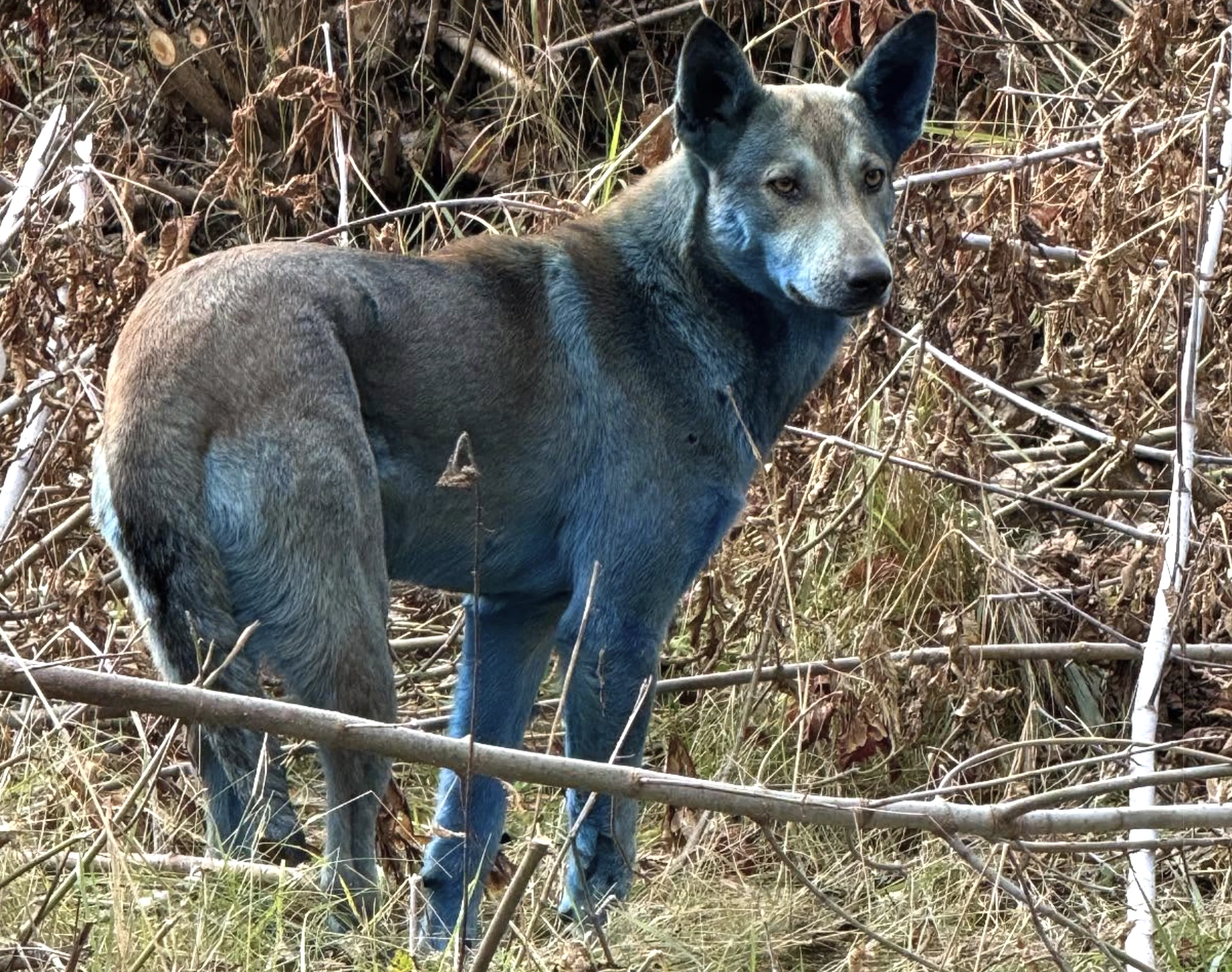
The Blue Dogs of Chornobyl: A Mysterious Canine Phenomenon 🐶💙
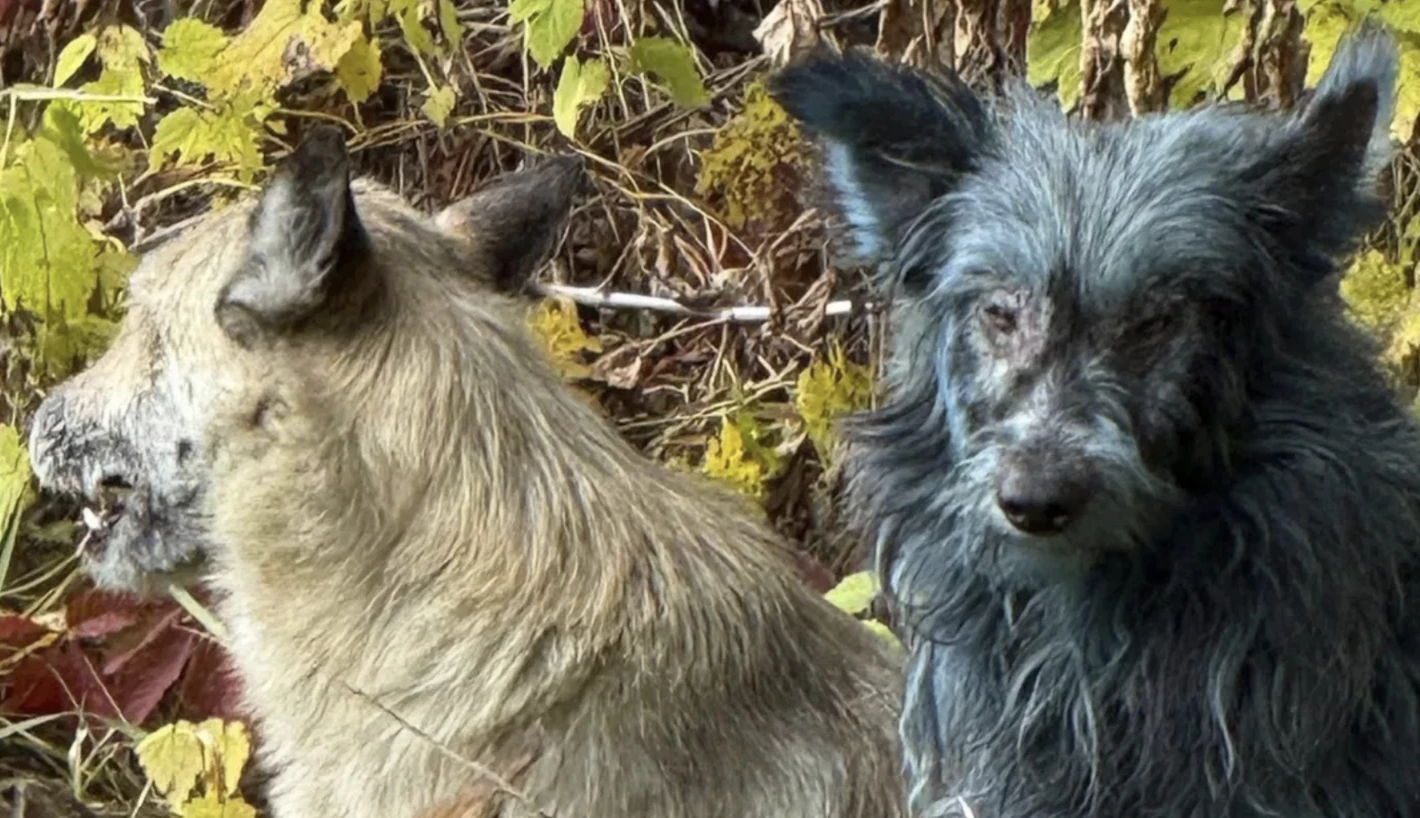
In a twist that feels like it's straight out of a sci-fi novel, three dogs near the Chornobyl disaster site have been spotted sporting striking blue fur. Initially thought to be a sign of genetic mutation or the result of radiation exposure, this captivating phenomenon has sparked widespread curiosity and speculation about the life thriving in the exclusion zone. As scientists dig deeper into the lives of these dogs, they’re unraveling a tale of resilience, adaptation, and the intricate dynamics of nature’s recovery after human-induced catastrophe.
Chornobyl's Canine Conundrum
The story of the blue dogs emerged, thanks to the efforts of the Dogs of Chornobyl Program, which has been providing food and medical care for the stray canine population since 2017. Initially, the blue hue of these dogs led to sensational headlines and wild theories. Was it a sign of radiation poisoning? Could it be a result of genetic mutations from a bygone era?
Researchers have since clarified that the blue fur is not an evolutionary change but rather a behavioral adaptation, possibly related to the dogs' interaction with their environment. In a region where human presence has drastically diminished, wildlife, including these dogs, have been adapting in remarkable ways.
Nature’s Resilience
Surprisingly, the Chornobyl exclusion zone has turned into a sanctuary for various species. While there are reports of some negative health impacts due to radiation, many studies show that wildlife, including mammals and birds, are thriving. The absence of human activity has allowed ecosystems to flourish, with animals expanding their territories and exhibiting behaviors previously thought to be lost.
Dr. Timothy Mousseau, a biologist who has conducted extensive research in the region, remarked, "The majority of studies investigating populations of plants, animals, and microbes in the Chornobyl Zone have not found any evidence of signs of adaptive evolution. While radiation can cause measurable biological damage, the removal of humans and their activities has also led to significant ecological recovery."

The Blue Hue Explained
The new findings suggest that the dogs' blue fur may be connected to behavioral adaptations rather than radiation exposure. This discovery highlights the complex interplay between environmental factors and animal behavior, suggesting that these dogs have developed unique ways to survive and thrive in an often hostile landscape.
The notion that radiation has transformed these canines is dispelled by the fact that the mutations seen in some smaller organisms, like bacteria, do not translate into longer-lived mammals such as dogs. According to Mousseau, "Bacteria can evolve rapidly with thousands of generations since the disaster; dogs, however, typically reproduce only once a year."
A Unique Ecosystem
The thriving wildlife in Chornobyl challenges the long-held belief that radiation is universally detrimental to life. In fact, the dogs are part of a broader ecosystem that has seen an increase in biodiversity. Species once missing, such as wolves, are now returning to the area, reinforcing the idea that nature can rebound when human stressors are removed.
Conclusion
The tale of the blue dogs of Chornobyl is more than an oddity; it serves as a poignant reminder of nature’s resilience and adaptability in the face of human-made disasters. As researchers continue studying this unique ecosystem, the blue dogs stand as symbols of hope and adaptation, proving that life can flourish even in the most unlikely circumstances.
In the eerie silence of the Chornobyl exclusion zone, where danger once reigned, life is carving out a new narrative—one where blue dogs roam freely, embodying the spirit of survival against all odds.
For more details, you can read more about the phenomenon at New Atlas.