The Rise of Micro-Study Abroad Programs in China: A Controversial Trend
In the bustling landscape of Chinese education, a new trend is taking root—micro-study abroad programs. These initiatives, which charge parents upwards of $11,000, aim to provide a lifeline for students struggling academically, particularly those facing the daunting prospect of retaking exams. As these programs gain traction, they have ignited fierce debate regarding ethical implications and the overall approach to education in China.
What Are Micro-Study Abroad Programs?
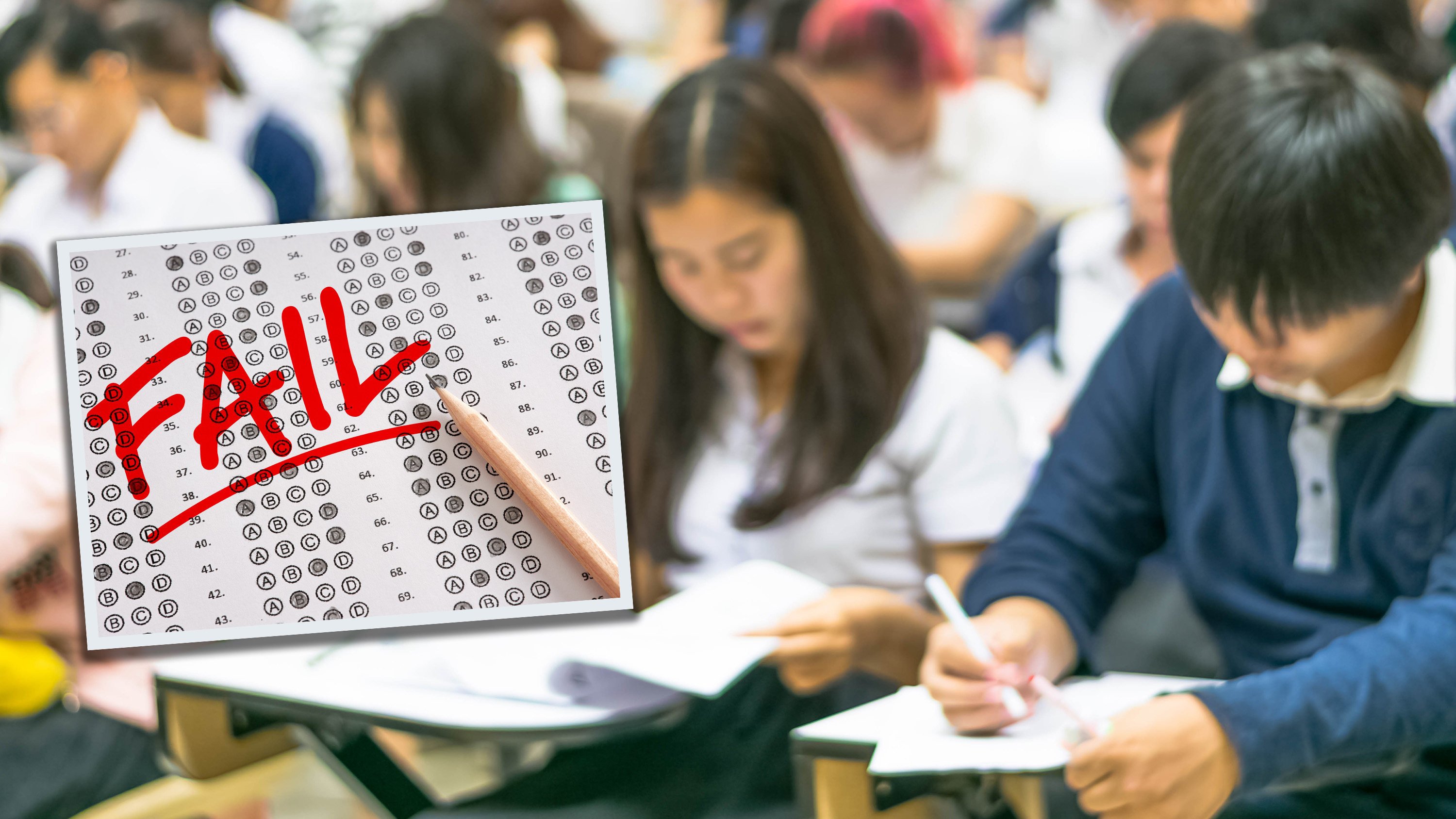
Micro-study abroad programs are designed to offer short-term international educational experiences, primarily targeting students who have not met academic standards in their home institutions. The programs typically include intensive study sessions, cultural immersion, and personalized tutoring aimed at helping students pass critical exams.
Advocates argue that these programs provide much-needed support for struggling students, giving them an opportunity to enhance their skills in a supportive environment. "For many students, this is a chance to turn things around," says Dr. Wei Zhang, an education consultant based in Beijing. "The exposure to different educational philosophies can be transformative."
However, the reality is more complex. Critics claim these programs commodify education, reducing academic success to a monetary transaction. They raise concerns about the implications for equity and access, noting that not all families can afford such expensive interventions. "It's troubling that academic performance is being treated as a product that can be purchased," says Li Hong, an education activist. "This trend could widen the gap between those who can and cannot afford these opportunities."
The Financial Burden on Families
The hefty price tag associated with micro-study abroad programs poses a significant financial burden for many families. With the cost reaching $11,000, parents are often forced to make difficult choices, prioritizing their children's education at the expense of their financial stability. A recent survey indicated that nearly 30% of parents expressed concerns about the long-term financial impact of enrolling their children in these programs.
Moreover, some parents feel pressured to enroll their children, believing that failing to do so could jeopardize their future prospects. "There’s a pervasive fear that if you don’t invest in these programs, your child will fall behind their peers," explains Xu Mei, a parent of two children in middle school. "It’s a tough decision."
Ethical Implications and Educational Equity
The emergence of micro-study abroad programs raises critical questions about educational equity. Critics argue that these initiatives exacerbate existing inequalities within the education system, wherein wealthier families can afford to send their children abroad for additional support while those from lower socioeconomic backgrounds are left behind.
"The focus on micro-study abroad programs detracts from addressing the root causes of academic struggles," says Dr. Li Ying, an educational researcher. "Instead of investing in comprehensive reforms to improve the domestic education system, we’re creating a parallel system that privileges those who can pay."
Furthermore, the notion that students can 'buy' their way to success undermines the integrity of the educational system. "We should be fostering a culture of learning and resilience, not one where financial means dictate academic opportunities," adds Dr. Li.
Conclusion: A Complex Educational Landscape
As micro-study abroad programs continue to emerge in China, the conversation surrounding educational equity, access, and the ethical implications of such initiatives remains vital. While these programs offer a potential safety net for struggling students, they also highlight the growing divide between affluent families and those who cannot afford to invest in extra educational support.
The debate is ongoing, and as these programs gain popularity, it will be essential for educators, policymakers, and families to critically assess their impact on the education system as a whole. The focus must shift from merely passing exams to ensuring that every student has equitable access to quality education, regardless of their financial situation.
For more insights into this topic, visit South China Morning Post.