
The Hidden Dangers of Sorbitol: What You Need to Know! 🍬⚠️
Sorbitol is often hailed as a safe alternative to sugar, commonly found in sugar-free products, candies, and diet foods. However, recent studies indicate that this seemingly innocuous sugar substitute may come with its own set of health concerns. With the rise of health-conscious consumers seeking to cut back on sugar, it is critical to understand the implications of sorbitol on our health and diet.
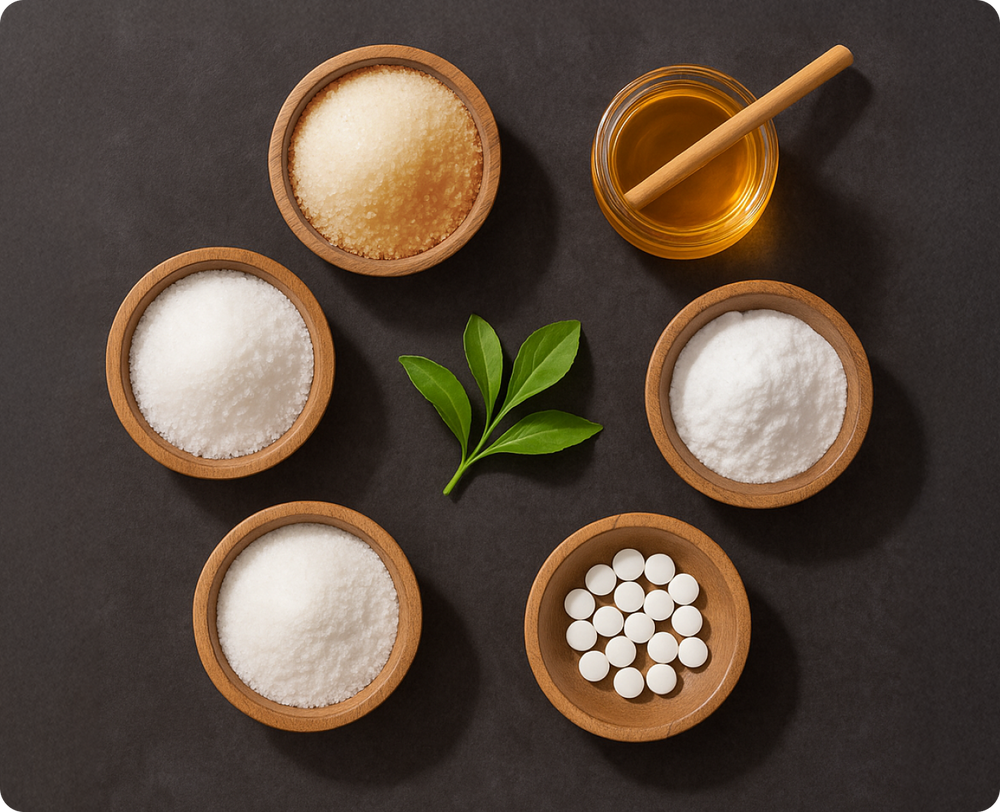
The Sweet Truth About Sorbitol
Sorbitol is classified as a sugar alcohol, containing fewer calories than sugar and having a lesser effect on blood glucose levels. This makes it a popular choice for those looking to enjoy sweetness without the calories associated with traditional sugar. But the question remains: is sorbitol truly as harmless as marketed?
What the Research Says
Emerging research suggests that sorbitol can be metabolized into fructose within the liver—an alarming revelation! Fructose, while natural, can trigger metabolic responses in the body similar to those initiated by regular sugar. Such findings raise significant concerns, particularly for individuals managing conditions like diabetes, insulin resistance, or metabolic syndrome.
"The conversion of sorbitol to fructose can lead to increased fat production in the liver, potentially exacerbating health issues traditionally associated with high sugar consumption," explains Dr. Emily Chen, a nutritionist specializing in metabolic disorders.
This metabolic process highlights a crucial point: while sorbitol may seem like a better option, it can pose hidden risks that mimic those of sugar consumption.
Gut Health Considerations
In addition to its metabolic implications, sorbitol can also affect gut health. The human body’s digestive system varies significantly among individuals, and while some gut bacteria can neutralize sorbitol, excessive intake often results in gastrointestinal distress. Common issues include bloating, diarrhea, and abdominal pain.
Dr. Chen advises moderation: "For most individuals, consuming sorbitol in small amounts is generally safe, but excessive consumption can lead to discomfort and digestive issues."
Conclusion
As the health and wellness movement grows, the popularity of sugar substitutes like sorbitol continues to rise. However, understanding the potential effects on our metabolism and digestive health is crucial for making informed dietary choices. Always read labels, be mindful of serving sizes, and consider the broader impacts of what you consume.
For more in-depth information, you can check the recent findings on sorbitol and its effects on the body here.

As consumers, it's essential to stay informed about the ingredients in our food and their potential health impacts. With sugar alternatives like sorbitol, knowledge is not just power—it's the key to making healthier choices.