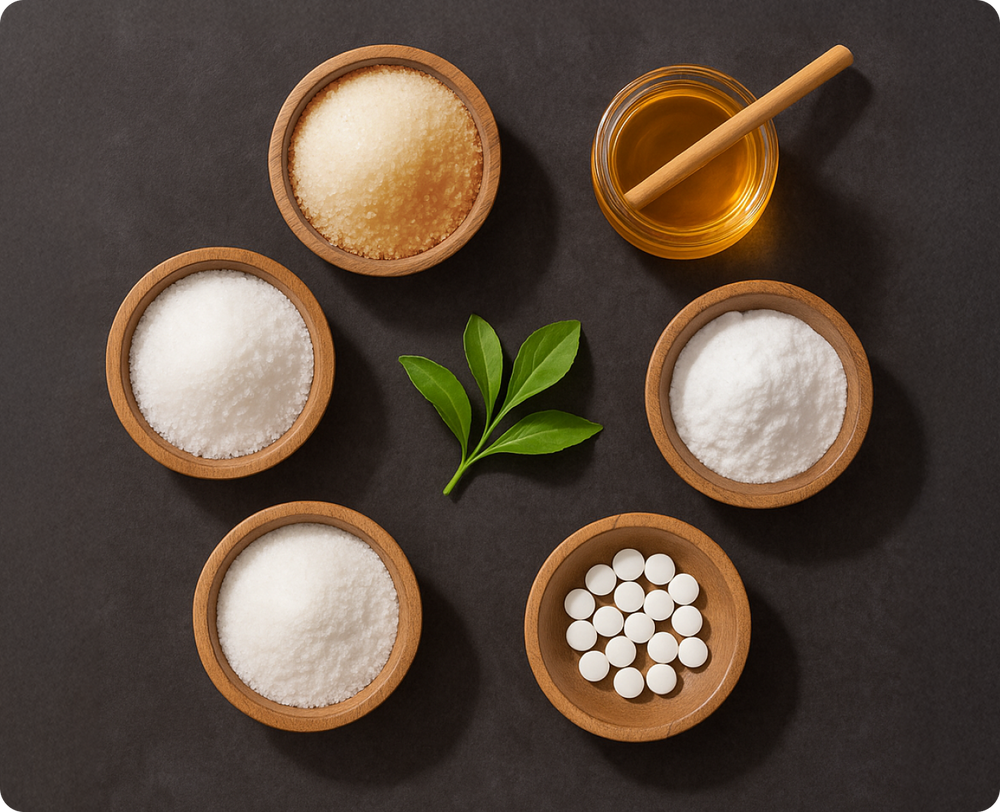
Sorbitol: The Sugar-Free Sweetener with a Hidden Danger! 🍬⚠️
In a world increasingly obsessed with health and wellness, sugar-free alternatives like sorbitol are often embraced as guilt-free indulgences. However, new research sheds light on a concerning truth: sorbitol may not be as innocuous as previously thought. This common sugar substitute, typically found in sugar-free candies and drinks, is now linked to potential metabolic risks due to its ability to convert to fructose in the liver.

The Fructose Factor ⚗️
Sorbitol, a sugar alcohol derived from fruits, offers sweetness without the calories associated with regular sugar. It’s often marketed as a healthier choice for those looking to cut down on sugar intake, particularly for individuals managing diabetes. However, the conversion of sorbitol to fructose poses significant health risks akin to those associated with excessive fructose consumption from traditional sugars.
Recent studies indicate that while sorbitol is partially neutralized by gut bacteria, when consumed in large quantities, it can lead to elevated levels of fructose in the bloodstream. This can trigger effects similar to those of sugar, including increased fat production in the liver and potential metabolic disorders.
Important Insights:
- Fructose Conversion: Research reveals that sorbitol can be metabolized into fructose, raising concerns about its health implications.
- Moderation is Key: Experts emphasize the need for consumers to be cautious about the quantity of sorbitol consumed, especially in processed foods.
- Health Management: Those with metabolic conditions should consult healthcare professionals regarding sweetener choices.
As the consumption of artificially sweetened foods continues to rise, understanding the potential risks associated with these substitutes becomes crucial for maintaining a balanced diet and managing health effectively.
What the Research Says 🔬
A recent article from Science Daily highlights the findings of researchers who have delved into the metabolic pathways of sorbitol. The study outlines how the liver processes sorbitol and the implications of its conversion into fructose, which can lead to various health issues, including obesity and insulin resistance.
"It's critical that consumers understand that just because a product is labeled 'sugar-free' doesn't mean it's free of risks," said Dr. Alice Thompson, a nutritionist and lead researcher on the study. "Sorbitol might still contribute to the same metabolic issues associated with high fructose intake."
The Risks of Overconsumption ⚠️
Many people mistakenly believe that consuming sugar substitutes like sorbitol allows them to indulge without consequences. However, excessive consumption can lead to gastrointestinal distress, including bloating and diarrhea—common side effects associated with sugar alcohols. Furthermore, the long-term metabolic consequences of increased fructose intake can mirror those seen with sugar, leading to similar health issues, such as:
- Increased fat accumulation in the liver
- Higher risk of developing non-alcoholic fatty liver disease (NAFLD)
- Elevated triglyceride levels, potentially leading to cardiovascular issues

A Call for Moderation
The overarching message from health professionals is clear: moderation is crucial. "Many people are unaware of how much sorbitol they are consuming on a daily basis, especially from processed foods," warned Dr. Thompson. "Awareness and moderation can help mitigate potential health risks."
Tips for Consumers 📝
- Read Labels: Always check ingredient lists and nutrition labels for sorbitol and other sugar alcohols.
- Limit Processed Foods: Where possible, choose whole foods over processed items that may contain high levels of sweeteners.
- Consult Professionals: If you have a metabolic condition or concerns about sugar substitutes, speak to a healthcare provider for personalized advice.
Conclusion: Sweetness Isn't Always Sweet
Sorbitol, despite its appeal as a sugar alternative, can pose hidden dangers that consumers should be aware of. As research continues to unveil the complexities of sugar substitutes and their effects on health, it's vital for individuals to remain informed about what they consume.
While sorbitol can serve a purpose in reducing sugar intake, it is essential to approach its consumption with caution and moderation. Understanding the delicate balance of sweeteners in our diets will help ensure better health outcomes for everyone.
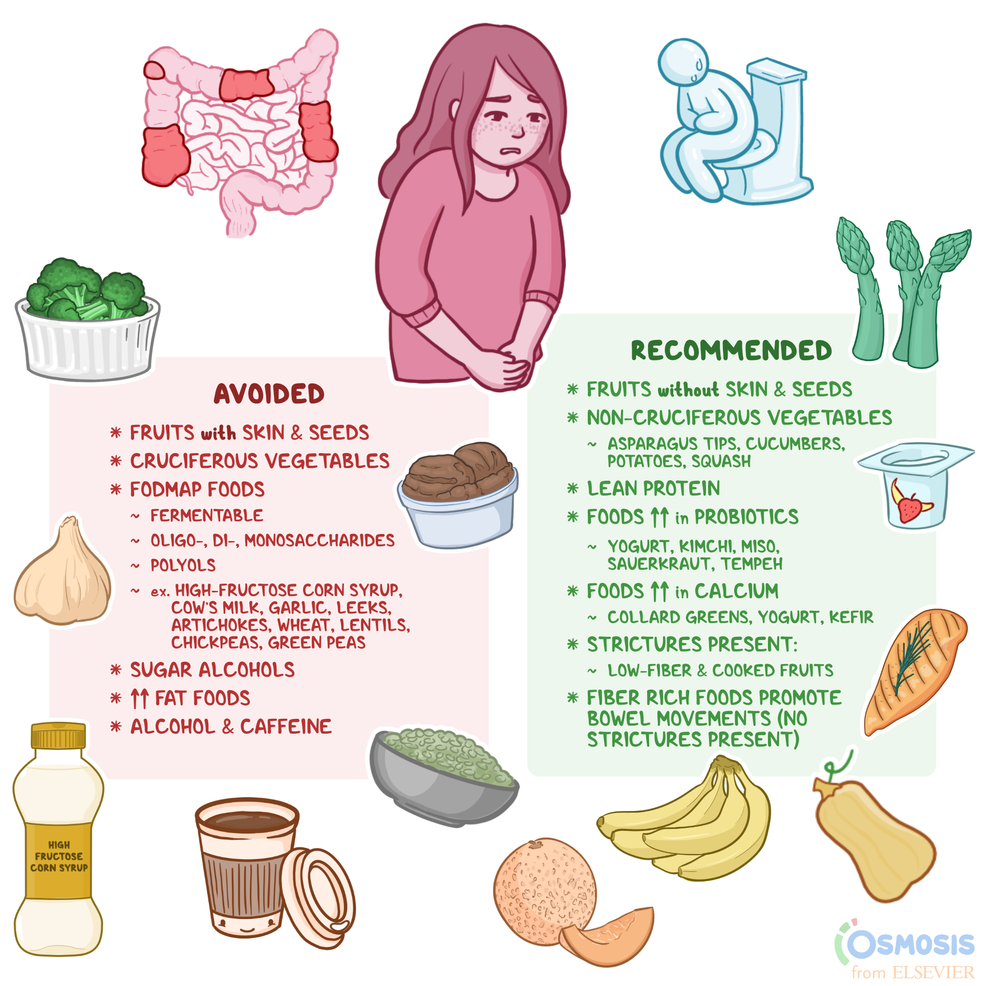
As we embrace a health-conscious lifestyle, let us not forget to scrutinize the substitutes we invite into our daily nutrition. After all, a healthy life is a balanced one!
For more insights on sorbitol and its implications, check out the full study on Science Daily.