Wearable Tech Revolution: What Developers Need to Know for 2026
As the clock ticks towards 2026, the wearable technology market is poised for a seismic shift. In a landscape where smartwatches, fitness trackers, and health-monitoring devices are becoming ubiquitous, developers face the challenge of adapting to a rapidly evolving tech ecosystem. From artificial intelligence (AI) to the Internet of Things (IoT), the innovations paving the way for the next generation of wearable tech demand attention, foresight, and ingenuity. Here's a deep dive into the trends shaping this burgeoning field.

1. AI Integration: More Than Just Data
AI is not just a buzzword; it’s transforming how wearable devices function. In 2026, expect wearables to leverage AI for real-time data analysis and personalized experiences that go beyond mere activity tracking. Developers must focus on integrating machine learning models to interpret user data, offering actionable insights rather than just raw metrics.
As Lucas Wade, a tech developer, notes, "AI in wearables enables predictive insights that can enhance the user experience by providing tailored recommendations based on behavior patterns."
2. The Surge of Healthcare Applications
The COVID-19 pandemic has accelerated the demand for healthcare wearables capable of monitoring vital signs and chronic conditions. Devices that track heart rate, blood oxygen levels, and even ECG data are no longer reserved for hospitals but are becoming essential for everyday health management.
In fact, a recent report suggests that the global market for wearable healthcare technology is set to exceed $60 billion by 2026, driven by the increasing emphasis on remote patient monitoring and preventative care.

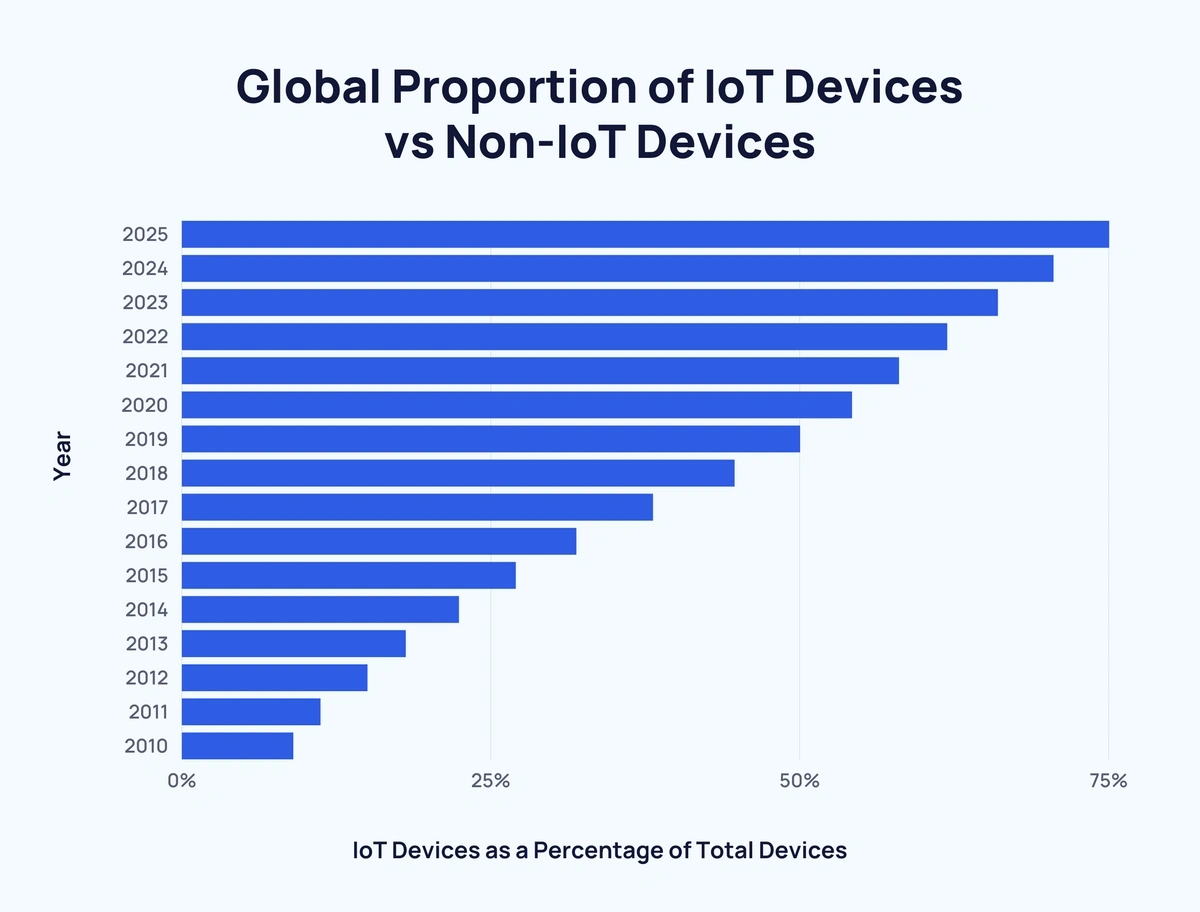
3. Seamless IoT Connectivity
Wearables are evolving from standalone devices to vital components within a broader IoT ecosystem. In 2026, developers should ensure their applications can seamlessly communicate with smart home devices, medical technology, and enterprise systems. This interconnectedness not only enhances functionality but also improves user engagement.
"Interoperability will be key," says tech analyst Jane Smith. "As wearables integrate with smart ecosystems, the potential for innovative applications expands exponentially."
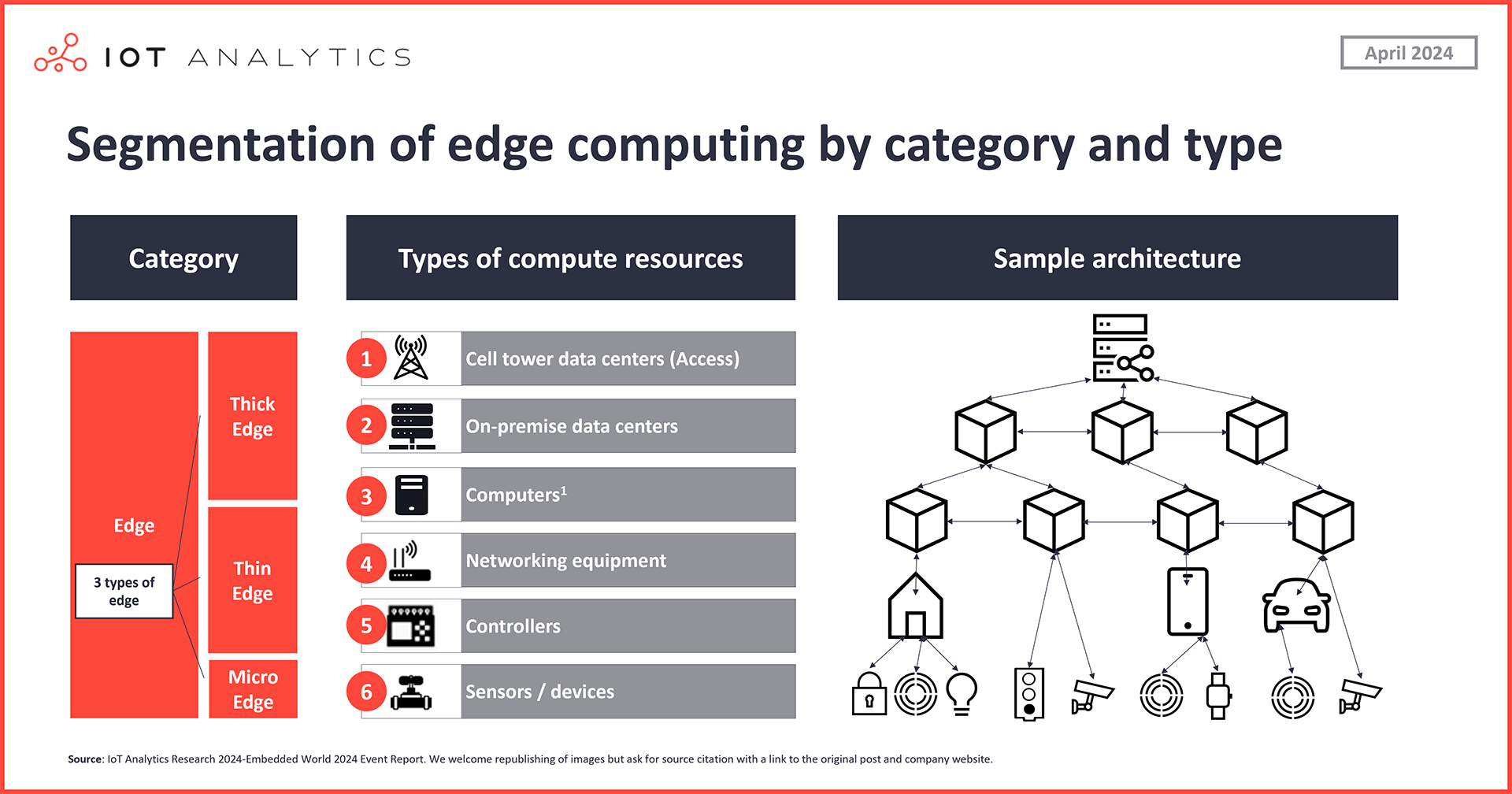
4. Edge Computing: Speed and Security
As wearables become more sophisticated, so too do the challenges of data processing. Edge computing is emerging as a critical trend for wearable tech, enabling devices to process data locally rather than relying solely on cloud systems. This minimizes latency and boosts privacy, especially crucial for health-related applications.
"Processing data closer to the device not only enhances speed but also increases security," explains tech strategist Mark Johnson. "In industries like healthcare, where patient privacy is paramount, edge computing is a game-changer."
5. Battery Efficiency: The Need for Longevity
As wearables evolve to provide continuous monitoring, the demand for battery efficiency has never been greater. Users expect devices that can operate for extended periods without frequent recharges. Developers will need to prioritize battery optimization techniques to enhance user satisfaction and device reliability.
"Long battery life is no longer a luxury—it's a necessity," remarks battery technology expert Lisa Chen. "Future innovations must focus on energy-efficient designs to meet consumer expectations."
Conclusion: Preparing for Tomorrow's Wearable Tech
As we approach 2026, the landscape of wearable technology promises to be transformed by AI integration, enhanced healthcare applications, seamless IoT connectivity, edge computing, and improved battery efficiency. Developers must stay ahead of these trends to create impactful applications that resonate with evolving consumer expectations.
By embracing these changes, developers not only position themselves for success in the wearable tech market but also contribute to a future where technology seamlessly enhances everyday life. For those ready to innovate, the opportunities are boundless.

As the industry gears up for these innovations, the collaboration between developers, healthcare professionals, and tech companies will be crucial in shaping the future of wearable technology. The future is exciting; are you ready to embrace it?
For more insights into wearable tech trends, check out this article.