
The Rise of AI-Powered Health Apps: Transforming Personal Wellness in 2026
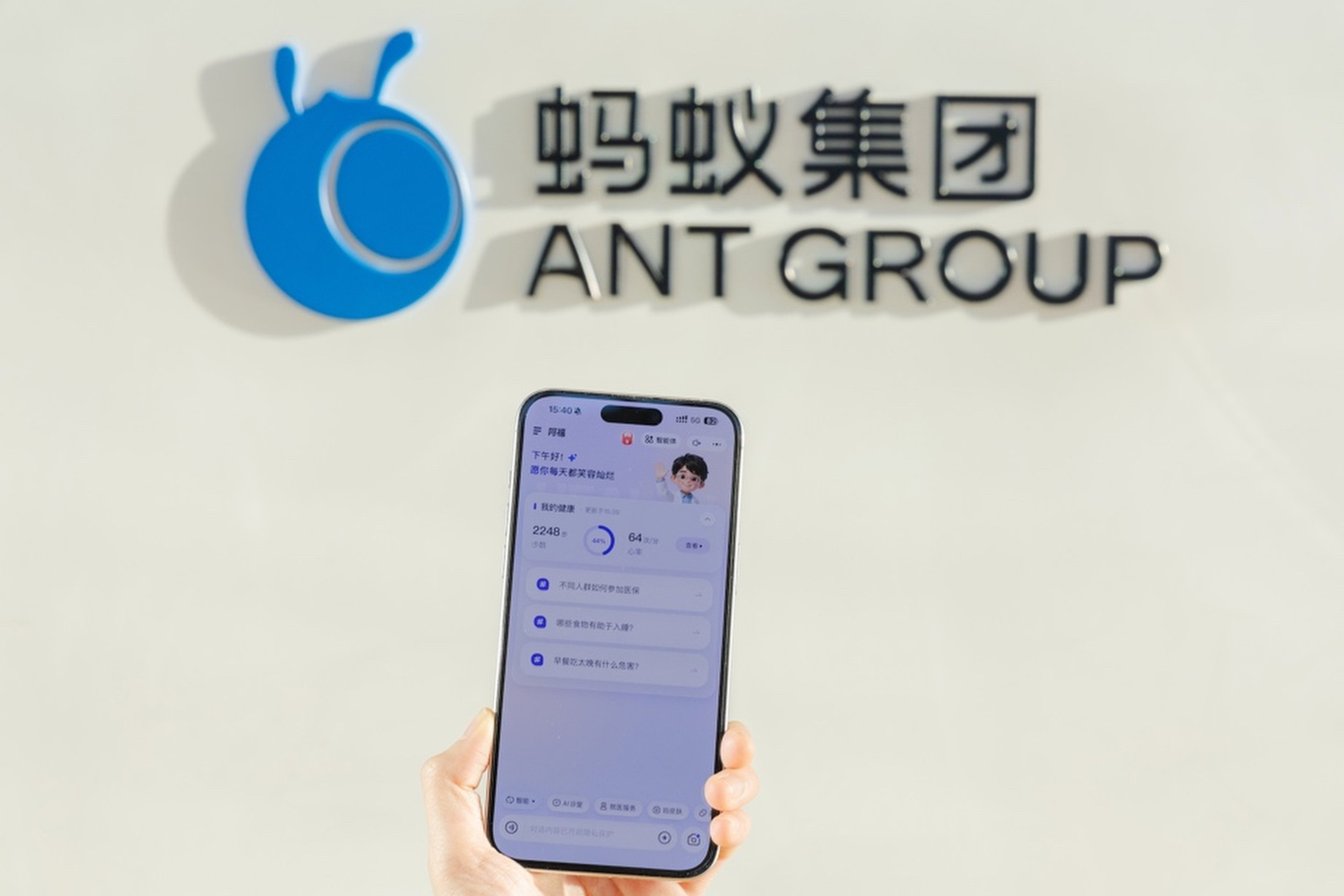
In 2026, the health app landscape is witnessing a significant transformation thanks to advancements in artificial intelligence (AI). With over 15 million monthly active users since its launch, Ant Group’s AI health app AQ has set a new standard for personalized health management. These apps are becoming essential companions in our daily lives, providing tailored health insights and recommendations that empower users to take charge of their wellness like never before.
Key Features of AI Health Apps
The rise of AI health applications is redefining the notion of personal wellness by introducing several key features that enhance user experience:
-
Personalized Health Insights: These apps utilize algorithms to analyze user data, providing customized advice on diet, exercise, and mental health. This tailored approach makes wellness more accessible and relevant, motivating users to adopt healthier habits.
-
Real-Time Monitoring: With capabilities to track vital signs and health metrics, AI-powered apps can alert users to potential health issues before they escalate. This proactive approach to health management has the potential to save lives by encouraging timely medical intervention.
-
Integration with Wearable Devices: The synergy between health apps and wearable technology allows for seamless data collection. This integration not only enhances the user experience but also enables more comprehensive health assessments, ultimately improving health outcomes.
The Impact on User Engagement
The rise of AI health apps is not just about technology; it fundamentally changes how individuals engage with their health. Users are more likely to stick with apps that provide real value, which leads to higher retention rates and improved health outcomes. For instance, studies indicate that when users receive personalized advice and real-time feedback, their engagement levels increase significantly. As these apps become more intuitive and user-friendly, they are likely to play a crucial role in preventive healthcare.
The ability for apps to adapt to individual user preferences and needs—not just through initial setup but over time—creates a more meaningful relationship between the user and their wellness journey. As a result, the focus is shifting towards a more holistic approach to health management that emphasizes prevention and healthy lifestyle choices, rather than merely reactive healthcare.
Conclusion
The future of health management is here, and it’s powered by AI. As these technologies continue to develop, they promise to revolutionize personal wellness, making it easier for individuals to take charge of their health in a meaningful way. With AI health apps providing personalized insights, real-time monitoring, and seamless integration with other technologies, users can embark on a wellness journey tailored specifically to their needs.
Stay tuned for more updates as we explore this exciting frontier in health technology and how it continues to reshape our understanding of well-being. The way we approach health is changing, and AI is at the forefront of this transformation, ensuring that personalized wellness becomes a reality for everyone.
As we move forward into 2026, the intersection of AI and personal health will likely lead to even more innovative solutions aimed at improving our quality of life. With the potential to shape everything from fitness routines to chronic disease management, AI health apps are paving the way for a healthier future.