
AI-Powered Retail: The Future of Shopping in 2026
As we inch closer to 2026, the retail landscape is poised for an extraordinary transformation, largely driven by advancements in artificial intelligence (AI). Retailers are embracing AI to not only enhance customer experiences but to streamline operations across the board. This article delves into the key trends shaping this revolution, revealing how retailers are utilizing AI to create a more efficient and personalized shopping environment.

1. Personalization at Scale
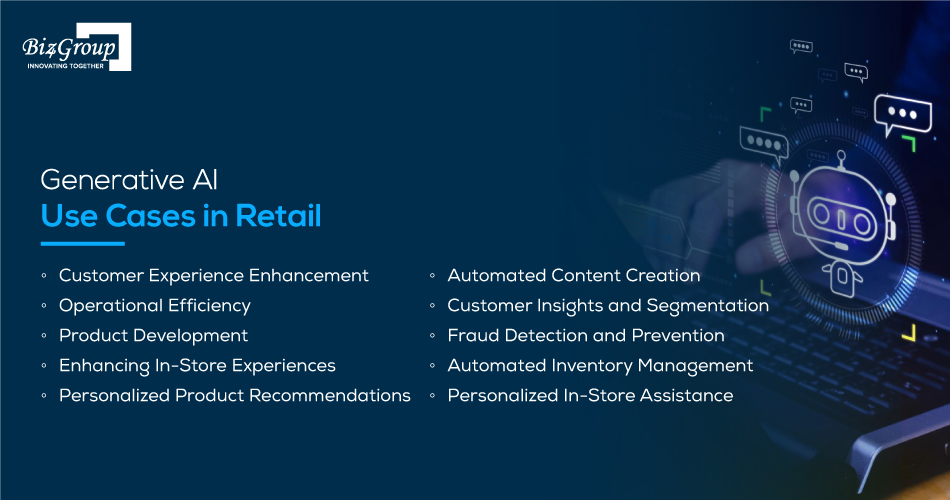
With AI, retailers are now equipped to analyze vast amounts of consumer data, allowing them to tailor shopping experiences to individual preferences. Gone are the days of one-size-fits-all messaging; brands are now using AI algorithms to deliver personalized product recommendations and customized marketing strategies that resonate with consumers on a deeper level. According to a report from Retail Technology Innovation Hub, personalized experiences can significantly boost customer loyalty and conversion rates.
2. Enhanced Inventory Management
AI-driven analytics are revolutionizing inventory management. Retailers are leveraging predictive analytics to optimize inventory levels, reducing waste and ensuring that products are available exactly when customers want them. This not only leads to improved customer satisfaction but also enhances supply chain efficiency. For example, AI systems can forecast demand accurately, allowing retailers to adjust stock levels proactively and minimize the chances of overstock or stockouts.

3. Seamless Omnichannel Experiences
Today's consumers engage with brands across various platforms, and AI is at the forefront of creating seamless transitions between online and offline shopping experiences. Retailers are employing AI to integrate their sales channels, ensuring that customers enjoy a consistent experience whether they're shopping on a website, mobile app, or in a physical store. This omnichannel approach is essential as consumers increasingly expect a unified experience, and brands that fail to deliver may find themselves left behind in a highly competitive market.
4. Automated Customer Service
Chatbots and virtual assistants powered by AI are becoming integral to the retail sector. These tools enable retailers to provide instant support and information to customers, enhancing the overall shopping experience. As more retailers adopt these technologies, human staff can focus on more complex inquiries, further improving service quality. The shift toward automated customer service is not just a trend; it's a necessity in an era where consumers expect 24/7 access to assistance.
5. AI in Marketing
Retailers are harnessing AI to create more effective marketing campaigns by analyzing data from various sources. Understanding consumer preferences allows brands to optimize their advertising spend and improve conversion rates. AI tools enable precise targeting and segmentation, allowing retailers to reach customers with messages that are more relevant to their interests. This data-driven approach is reshaping how brands interact with consumers, making marketing efforts more efficient and impactful.
Looking Ahead
As AI technology continues to evolve, retailers that embrace these innovations will be better positioned to thrive in a competitive landscape. The integration of AI into retail is not merely a technological upgrade; it represents a fundamental reimagining of the shopping experience for the modern consumer.
In conclusion, the future of retail is bright, with AI at the helm steering the industry towards more personalized, efficient, and engaging shopping experiences. As we approach 2026, expect to see these trends gain further momentum, transforming not just how consumers shop, but also how retailers operate and strategize in an increasingly digital world.

For more insights on the transformation in retail technology, check out the full details in the Retail Technology Innovation Hub.