
Elon Musk's Humanoid Robots Steal the Show at Concerts 🤖🎶
In a jaw-dropping exhibition of technology and artistry, Elon Musk recently unveiled a video featuring Unitree G1 humanoid robots performing backflips at a live concert. This remarkable display left audiences around the globe both mesmerized and questioning the future role of robots in entertainment. As these agile machines executed flips with stunning precision, they not only showcased the advancements in robotics but ignited discussions about the potential of artificial intelligence (AI) within the dynamic world of live performances.
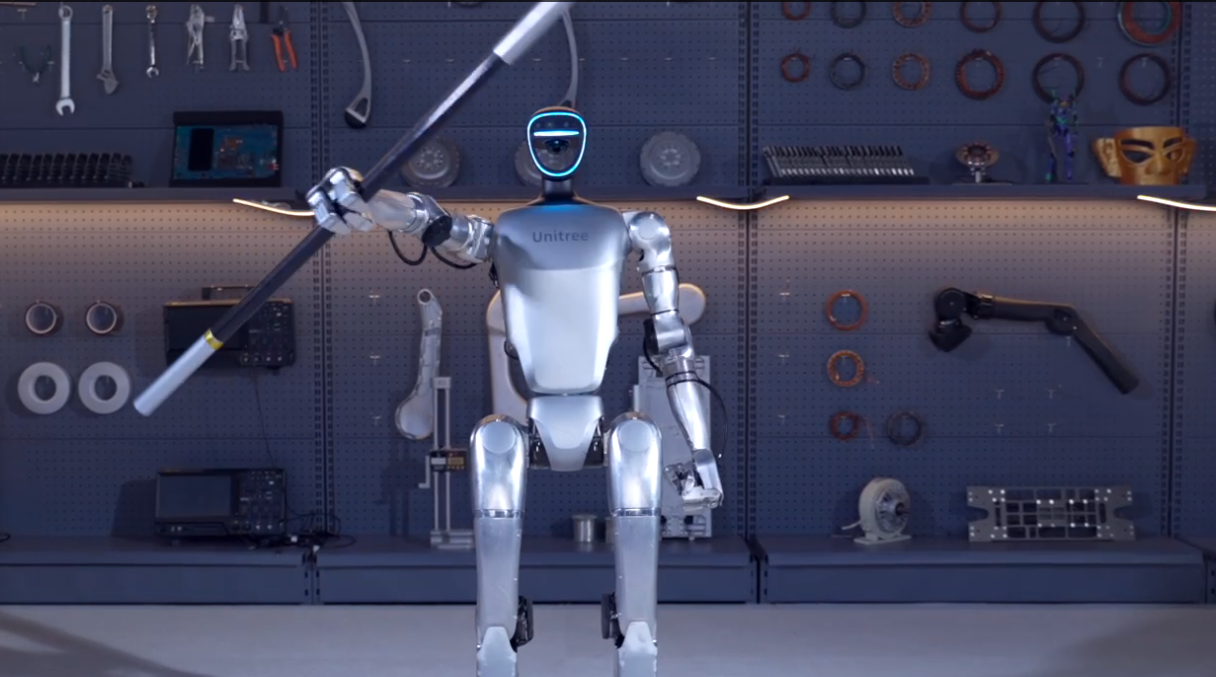
Musk’s demonstration raises intriguing questions regarding the integration of AI and robotics in entertainment. With advancements in technology, could future concerts feature robotic performers alongside human artists? The boundaries between human talent and machine capabilities are becoming increasingly blurred, challenging traditional notions of artistry and performance.
The Rise of Humanoid Robots in Entertainment
The Unitree G1 robots, which performed at the concert, are a part of a broader trend in robotics where humanoid machines are being developed for various applications, including entertainment, customer service, and even healthcare. Their ability to perform complex movements like backflips is a testament to the advancements in robotic agility and balance.
Musk’s vision of a future intertwined with robotics is not just a whimsical notion; it's becoming a reality. As noted by experts, the performance of these robots symbolizes a significant leap toward creating machines that can engage audiences in ways previously thought possible only for humans. “The integration of AI in entertainment is not merely about efficiency; it’s about redefining the experience,” says Dr. Amelia Turing, a leading roboticist at the Tech Innovation Institute.
Could AI-Driven Performances Become the Norm?
As AI continues to evolve, its applications in live performances could expand dramatically. Imagine concerts where AI not only assists in production but also plays a central role in the performance itself, creating visuals, music, and choreography in real-time. Such innovations could lead to a new genre of entertainment where the audience interacts with both human and robotic performers, leading to a unique, immersive experience.
According to recent statistics, the global entertainment robotics market is projected to grow exponentially. Reports indicate that by 2030, the industry could reach $30 billion as demand for innovative entertainment experiences rises. With companies like Musk's Tesla and various startups pushing boundaries in AI, the future of live performances could be filled with humanoid robots entertaining and engaging audiences worldwide.
Ethical Considerations and Future Implications
However, the rise of robotic performers brings forth ethical considerations that cannot be overlooked. As the lines blur between human and machine, questions arise about job displacement, the authenticity of performance art, and the emotional connections audiences forge with performers—be they human or robotic.
Musk’s foray into robotic entertainment is not without controversy. Critics argue that the use of robots in performances could undermine the spirit of live entertainment, which is often rooted in human connection and emotional expression. “We must ensure that the essence of what makes performances special—empathy, creativity, and human experience—is not lost in the pursuit of technological advancement,” warns Dr. Turing.
The Future of AI in Live Entertainment
The potential of AI and robotics in reshaping entertainment is undeniable. As we look ahead, several key factors will likely influence how these technologies integrate into live performances:
-
Collaboration with Artists: Rather than replacing human performers, robots could serve as collaborators, enhancing the artistic expression and diversifying the creative process.
-
Customization and Personalization: AI can analyze audience preferences in real-time, allowing for performances that cater specifically to those in attendance, creating a unique experience for every show.
-
Safety and Regulations: As robots become more prominent in public spaces, ensuring their safety and establishing regulations for their use in entertainment will be paramount.
-
Public Acceptance: The transition to incorporating AI in live performances hinges largely on audience acceptance. Building trust and comfort with robotic performers will dictate the pace of their integration into mainstream entertainment.
Conclusion: A New Era of Entertainment
Elon Musk’s showcase of the Unitree G1 robots is a glimpse into a future where technology and entertainment converge in exciting and unexpected ways. As these machines leap into the spotlight, they challenge our perceptions of artistry, creativity, and performance. The prospect of AI-driven entertainment raises as many questions as it answers, urging us to consider how we might embrace this new era of engagement without compromising the essence of what makes live performances memorable.
Stay tuned as we continue to explore the transformative potential of AI in entertainment and the ethical considerations that accompany such innovations!
References:
As technology continues to evolve, the role of AI and robotics in our everyday lives will become increasingly significant, pushing us to adapt and rethink what it means to experience entertainment in the modern world.