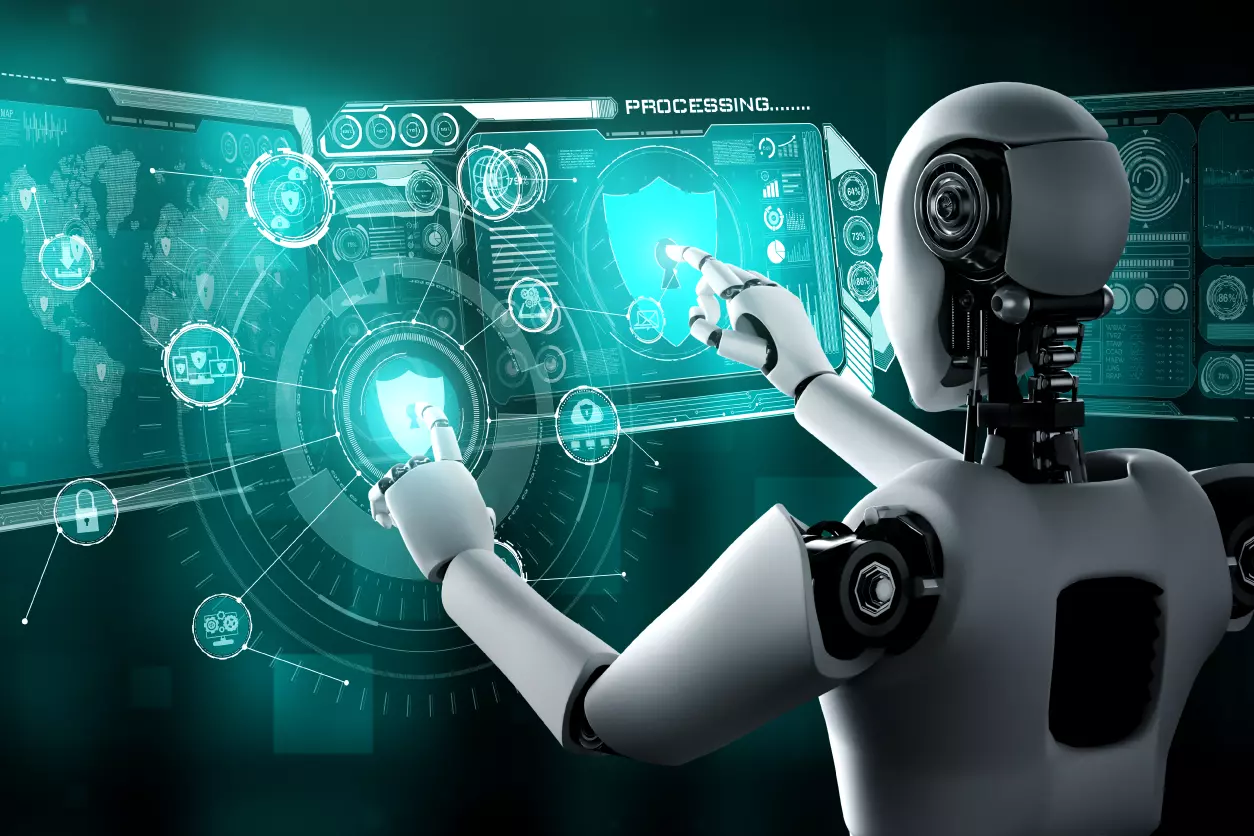
AI-Powered Cobots Are Taking Over: How Robots Are Becoming Your New Work BFFs in 2025
Move over, sci-fi dystopia — 2025 is the year AI-powered collaborative robots, aka cobots, are making workplaces smarter, safer, and way more fun. Forget the old image of cold, clunky machines replacing humans in a robotic takeover. Today’s cobots are designed to be your chill, adaptable teammates who boost productivity without stealing your job — in fact, they make work better for humans across industries from healthcare to logistics to retail.

Robots + AI = The Ultimate Work Duo
Cobots blend robotics with advanced AI to learn on the fly, adapt to their environment, and communicate naturally with human coworkers. Unlike industrial robots locked behind safety cages, cobots are built to share your workspace — equipped with sensors and AI-powered safety systems that instantly detect human presence and adjust their behavior, making close, real-time collaboration worry-free.
You can find them sorting packages in giant warehouses, assisting surgeons with crazy precision in operating rooms, or helping retail staff manage inventories and customer interactions. The key? These AI-enhanced robots don’t just “follow orders” — they understand context, learn new tasks without needing a programming PhD, and can even pick up on subtle cues to better support their human teammates.
This tech fusion is reshaping what it means to work alongside machines, turning cobots into the new “work BFFs” for millions.

Why Cobots Are the Real MVPs
1. Super Easy to Use
Gone are the days when robotics were for mega-industrial titans only. Today, intuitive interfaces let workers program cobots using natural language or simple touchscreens. You don’t have to be a coder or robotics engineer — startups and small businesses are jumping into automation because cobots are approachable and adaptable.
2. Safety First, Always
Cobots pack AI-powered vision and proximity sensors that act like digital “sixth senses,” constantly scanning and learning human movement patterns. When you step too close or reach into their workspace, they slow down or pause instantly, preventing accidents and letting you work side-by-side without fear.
3. Small Business Friendly
With prices dropping and scalable models available, cobots are no longer just for giant factories. Small and medium enterprises (SMEs) are automating repetitive tasks, boosting efficiency, and freeing up human employees for creative and high-touch roles. This democratization of automation is driving a global shakeup in how businesses operate.
The Global Cobot Boom: Numbers That Impress
The market stats back the hype. According to recent analysis from Nasdaq and Emerging Technology Trends: AI, Robotics & Digital Innovation podcast, the AI in robotics market is booming — hitting an estimated $21 billion in 2025 and projected to skyrocket to nearly $150 billion by 2032, with an annual growth rate north of 30%. Asia-Pacific remains the innovation powerhouse, especially China and Japan, while the US leads in patents and venture capital investment.
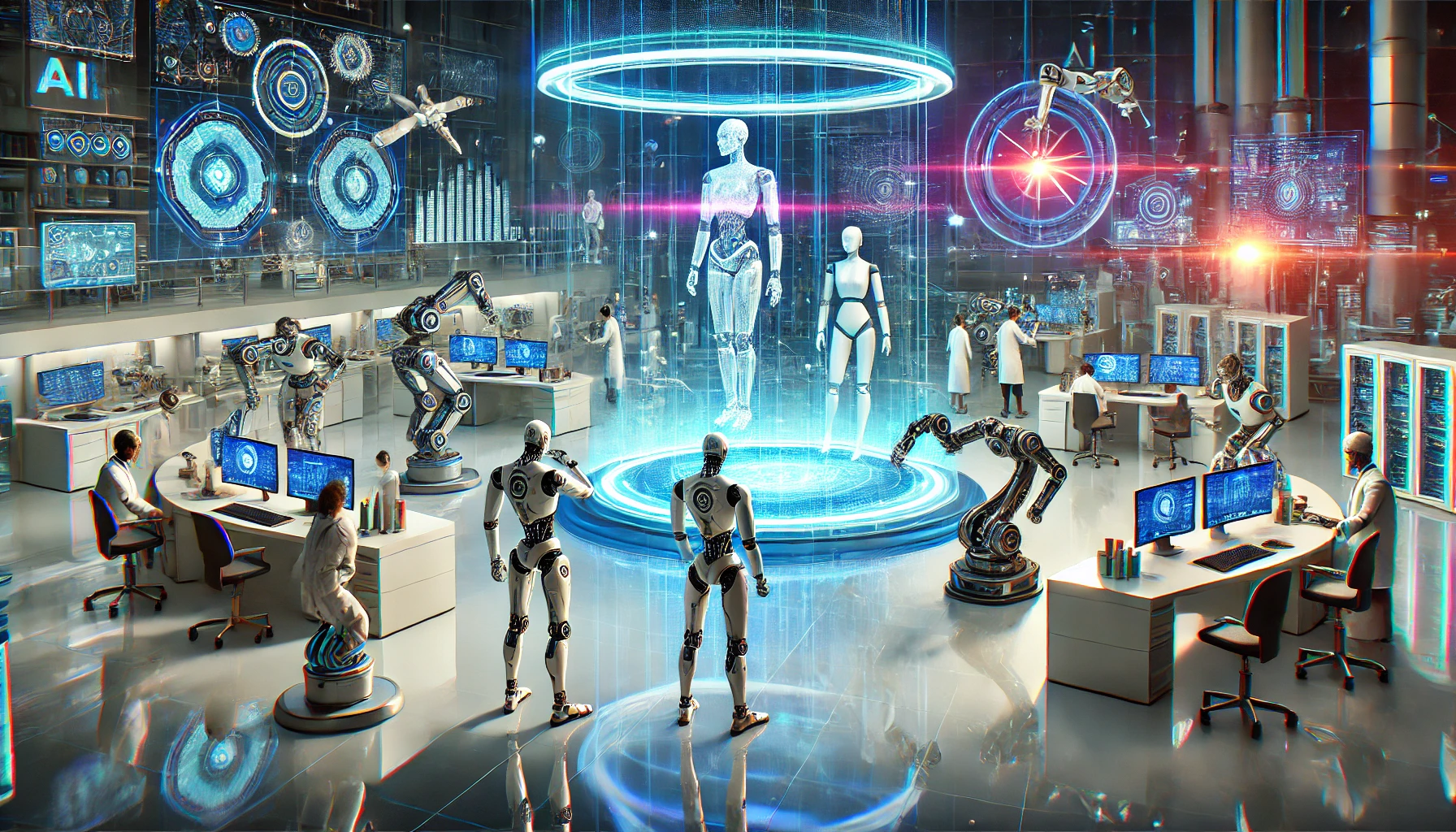
Venture capital is flooding in, startups are thriving, and big players like NVIDIA, Fanuc, and UiPath are racing to push human-robot collaboration into new frontiers. This isn’t hype — it’s a full-blown transformation sweeping global industries.
Real-World Cool Stuff: Cobots in Action
-
Healthcare: Empathetic robots now assist in hospitals, helping with diagnostics, patient monitoring, and even emotional support. AI-driven surgical cobots enhance precision, reduce complications, and speed up recovery times.
-
Logistics & Warehousing: Autonomous drones and cobots work together to speed up order fulfillment, optimize storage, and handle inventory with laser accuracy. The rise of AI-powered logistics robots is slashing delivery times and improving supply chain resilience.
-
Smart Homes & Retail: Cobots and AI-powered devices are learning your habits, automating mundane chores, and creating personalized shopping and service experiences. In retail, cobots help staff by managing stock, guiding customers, and processing transactions seamlessly.

Challenges on the Horizon & The Road Ahead
Of course, with great cobots comes great responsibility. Job displacement fears persist, especially in manufacturing and logistics, where automation is progressing the fastest. Experts agree upskilling and workforce retraining are urgent to ensure humans transition into new roles that cobots can’t fill — think creativity, complex problem-solving, and emotional intelligence.
Ethical AI use and regulation are hot topics too. Transparent algorithms, privacy safeguards, and safety standards are being hashed out globally to prevent misuse and ensure human dignity in the age of automation.
But looking forward, the future is bright. Expect tighter human-robot synergy, smarter AI that anticipates needs, and cobots expanding into fresh industries like education, agriculture, and creative arts. The cobot revolution is not just coming — it’s here, and it’s making work cooler, safer, and more productive everywhere.
Ready to welcome your new robot work BFF?
The cobot wave is transforming how we work, collaborate, and innovate — from startups to Fortune 500s, from hospital floors to smart homes. It’s time to rethink robots not as cold machines but as dynamic teammates helping us level up.
References
- Emerging Technology Trends Podcast: AI, Robotics & Digital Innovation
- TechNode: AI and Robotics Market Insights
- Nasdaq Market Analysis on Robotics
Images sourced from public domain and company releases.
