
How AI-Driven Digital Twins Are Revolutionizing Employee Experience in 2025
Move over, dull cubicles and one-size-fits-all work setups—2025 is all about hyper-personalized, AI-powered digital twin tech that’s transforming how employees engage, collaborate, and thrive on the job. Digital twins, once the secret sauce of manufacturing floors and smart factories, have stepped into the spotlight as game-changing tools for crafting immersive, data-driven employee experiences (EX) worldwide.
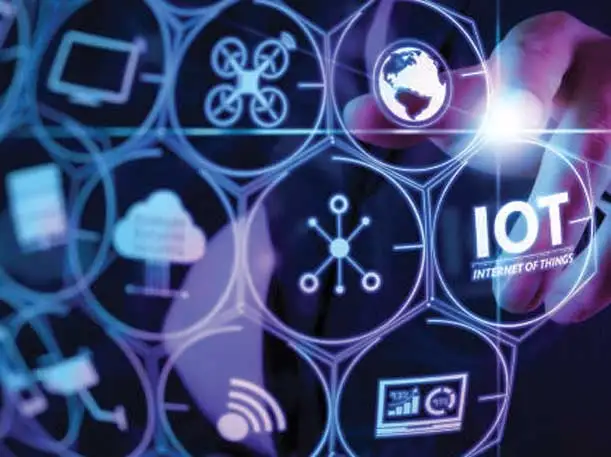
Image: AI-powered digital twins enable personalized and dynamic work environments
The Future of Work Just Got Real with AI-Powered Digital Twins
Forget static office setups or clunky collaboration tools. Digital twins are virtual replicas—not just of physical spaces but of employees themselves, capturing workflows, preferences, and even mood indicators through AI analytics. These “digital doppelgängers” evolve in real time, feeding insights back to employers who want to optimize everything from onboarding to daily productivity and wellness.
Companies are no longer guessing what makes their people tick—they’re seeing it, simulating it, and responding instantly. The result? Workspaces that adapt and flex to individual needs, workflows that smooth out inefficiencies, and a culture that embraces flexibility on a whole new level.
What’s the Buzz About?
Here’s a quick rundown of why AI-driven digital twins are turning heads in HR and workplace innovation circles this year:
-
Personalized Workspaces: Digital twins analyze environmental factors—like lighting, noise, and desk arrangement—to craft optimal setups tailored for each employee’s focus and comfort preferences. Think office designs that mold themselves based on data, ensuring everyone feels “at home” no matter where they work.
-
Real-Time Feedback & Nudges: Integrated AI monitors work patterns and emotional cues, nudging employees when it’s time to stretch, take a break, or switch gears. This helps combat burnout and sustains motivation by recognizing when stress peaks or attention wanes.
-
Seamless Remote Collaboration: Virtual environments powered by digital twins connect remote teams in immersive spaces that feel strikingly “real.” Whether it’s brainstorming sessions, casual check-ins, or cross-continental project syncs, the technology bridges the gap between physical and digital presence.
-
Predictive Insights for Managers: Managers get dashboards highlighting team health metrics—spotting burnout risks or engagement dips before they escalate. With these insights, leadership can tailor support, allocate resources smartly, and foster a proactive culture.
Why It Matters Globally
The hybrid and remote work models that exploded post-pandemic are here to stay—and digital twins are leveling the playing field internationally. From Silicon Valley startups to multinational corporations with staff scattered across time zones, this technology offers a shared immersive experience that makes everyone feel connected, seen, and valued.
According to recent reports from EY’s Tech Trends 2024, organizations investing in digital and AI-driven employee experience are already seeing measurable boosts in productivity, retention, and workplace satisfaction.
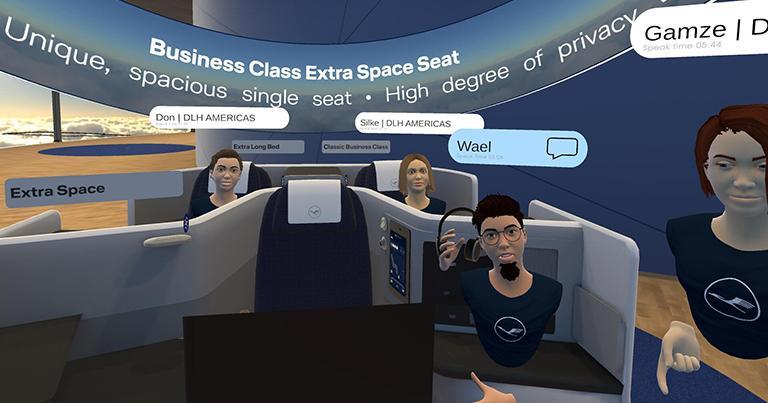
Image: Virtual environments enable remote teams to collaborate like never before
The Cool Factor: Your AI-Powered Work Buddy
Imagine your digital twin as a super-smart work buddy who knows when you’re hitting a wall and suggests a quick mindfulness exercise or a walk outside. Or picture it as a coach helping you optimize your daily routines based on your peak focus windows.
One of the coolest features gaining traction is emotional AI integration—machines that can subtly “read” signs of stress or fatigue through behavioral data and offer personalized coping strategies. This isn’t sci-fi anymore; it’s happening now, helping employees maintain work-life harmony.
Challenges & The Road Ahead
Of course, this brave new world isn’t without its hurdles. The massive amount of personal data digital twins process raises red flags around privacy, consent, and ethical AI use. Companies are racing to build transparent frameworks that respect employee data rights while still harnessing AI’s potential.
There’s also the challenge of ensuring inclusivity—making sure AI models don’t reinforce biases or overlook diverse work styles and cultural differences. Responsible AI deployment, ongoing audits, and employee involvement in shaping these tools are key to building trust.
TL;DR
AI-driven digital twins are the new MVPs of employee experience, blending cutting-edge tech with the human touch to create smarter, happier, and more productive workplaces worldwide. They’re personalizing workspaces, fostering real-time well-being, and connecting global teams in immersive ways that make remote and hybrid work feel natural and engaging.
Stay Tuned!
As the workplace continues to evolve, AI and digital twin technologies will keep pushing boundaries. From predictive analytics that catch burnout early to virtual environments that spark creativity across continents, the future of work just got way cooler—and way more human.
References & Further Reading
- EY: Unleashing Next-Gen Employee Experience with Digital and AI
- EY: Empowering Industries - The Rising Significance of Industry Clouds
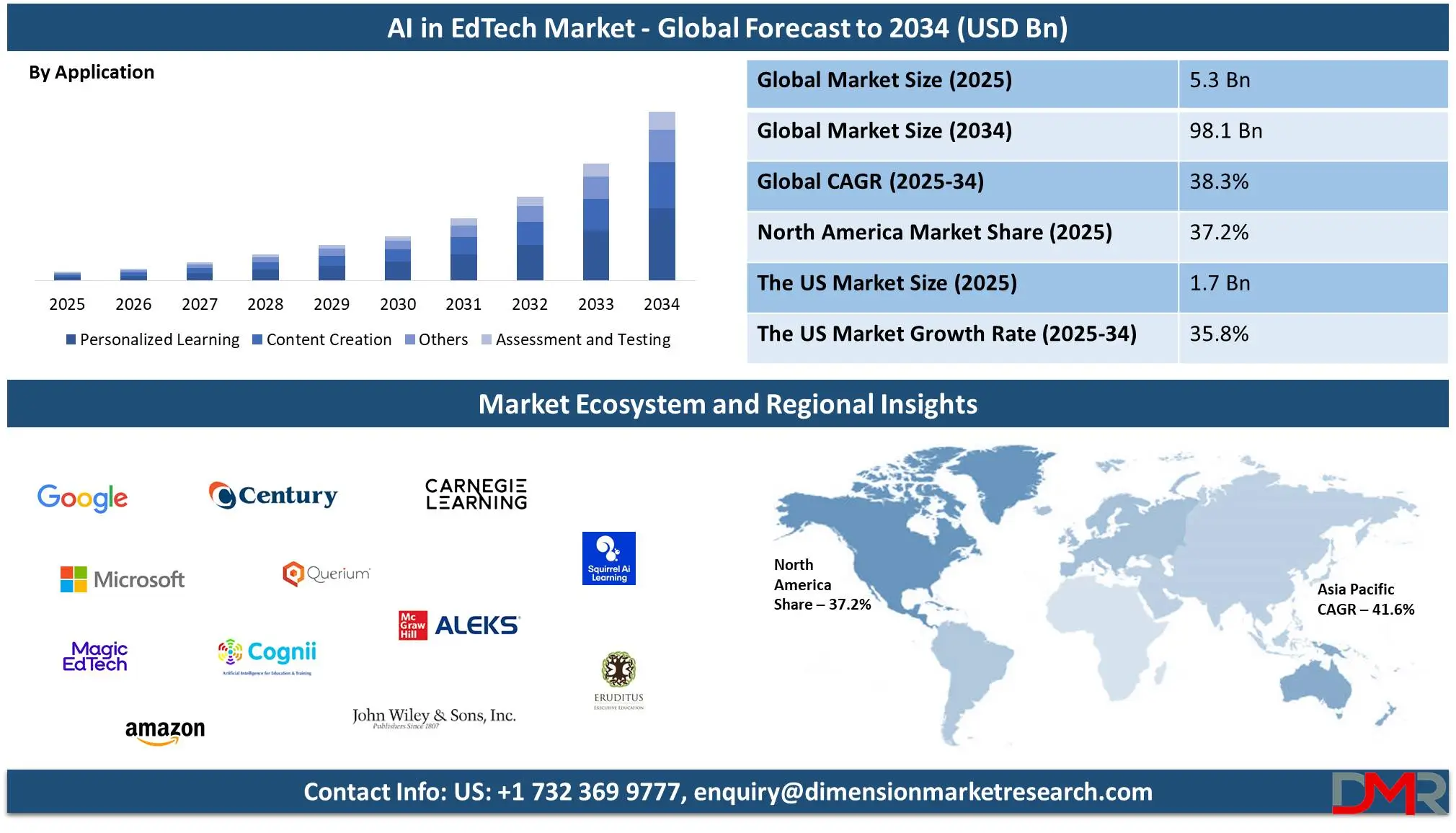
Image: AI-powered digital twins are part of the broader AI revolution shaping industries in 2025
Author’s Note: The digital twin revolution is not just about technology—it’s about making work better for people everywhere. Whether you’re sitting in a downtown office or logging in from your home in another country, the AI-powered future is designing a work experience that’s as unique as you are.