China’s ‘Future Industries’: The Next-Level Tech Race You Need to Know About
Alright, tech enthusiasts, brace yourselves. China’s not just in the race anymore—they’re zooming ahead full throttle with their ambitious vision dubbed “future industries.” First spotlighted by President Xi Jinping back in 2020, this catchphrase covers a lineup of ultra-cutting-edge tech sectors that are still in the experimental phase but promise to rewrite the rules of the global economy and innovation landscape.
In 2024, China’s Ministry of Industry and Information Technology (MIIT) laid down official guidelines focusing on these game-changing fields. The mission? To overhaul China’s traditional manufacturing-based economy and catapult the nation into a powerhouse of advanced technology. And trust me, this isn’t just talk—Beijing is putting big money and muscle into making this vision a reality, especially amid ongoing geopolitical tech tensions with the US.
So, what exactly are these “future industries” that could shape tomorrow’s world? Let’s dive into the tech that’s setting China apart and stirring up the global innovation battlefield in 2025.
What Are China’s Future Industries?
China’s “future industries” blueprint zeroes in on five headliners that could revolutionize tech and industry:
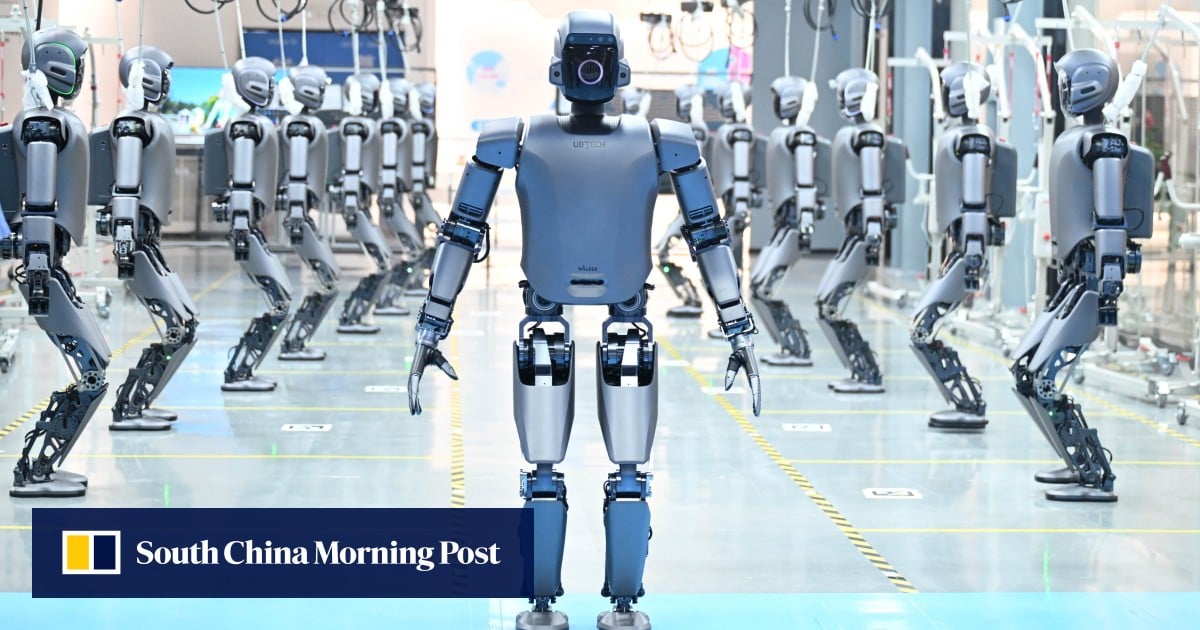
1. Humanoid Robots
Forget factory bots that just weld or paint. China is ramping up development of humanoid robots that can work alongside humans in complex environments, from manufacturing floors to healthcare facilities. These robots promise precision, endurance, and the ability to perform tasks too dangerous or repetitive for humans.
According to the MIIT, humanoid robots are expected to push industrial upgrades and boost productivity across multiple sectors. The goal? Create robots smart and agile enough to handle dynamic environments and collaborate safely with human workers.
Hint: Imagine a future where robots don’t just replace manual labor but augment human skills.
2. 6G Network Equipment
While 5G is still rolling out globally, China is already pioneering 6G tech, aiming for supercharged wireless speeds, ultra-low latency, and massive device connectivity. This next-gen network is essential to power the explosion of AI, IoT, and smart cities.
China’s major telecom players are investing heavily in 6G infrastructure research, eyeing breakthroughs like terahertz communication and AI-enhanced network management. The dream? Seamless, ultra-fast connectivity that supports everything from holographic communication to fully autonomous vehicles.
3. Brain-Computer Interfaces (BCIs)
Straight out of sci-fi, BCIs are devices that link the human brain directly to computers. China sees enormous potential here—not just for medical applications like prosthetics and neurorehabilitation but also for next-level human-machine interaction.
Chinese research institutions and startups are exploring non-invasive BCIs that could eventually allow users to control devices using just their thoughts. This tech could redefine accessibility, gaming, communication, and even workforce productivity.
4. Large-Scale AI Data Centers
To fuel AI’s hunger for data and computing power, China is building massive AI data centers equipped with cutting-edge chips and energy-efficient cooling systems. These data hubs will support breakthroughs in machine learning, natural language processing, and computer vision.
This infrastructure push is critical to maintaining China’s competitive edge in AI development, enabling everything from smart manufacturing to autonomous drones and intelligent urban management.
5. Next-Generation Large Aircraft
China is also eyeing aerospace innovation, developing advanced large aircraft that incorporate new materials, propulsion systems, and avionics. These next-gen planes aim to be more fuel-efficient, environmentally friendly, and capable of new commercial and strategic missions.
The aerospace sector’s growth dovetails with China’s broader objectives to boost high-tech manufacturing and global influence.
Why Is China Betting Big on These Industries?
The stakes are sky-high. China’s government sees future industries as a vital lever to:
- Drive Economic Transformation: Moving away from low-cost manufacturing toward innovation-led growth that creates higher value and global competitiveness.
- Boost National Security: Reducing reliance on foreign technology amid US-China tech tensions by fostering homegrown breakthroughs.
- Lead the Global Tech Race: Capturing top spots in emerging fields that will shape the next decades’ economy and geopolitical power balance.
- Blend Stability with Agility: Encouraging state-owned enterprises to adopt nimble startup innovation practices to accelerate development.
Zhang Yuzhuo, head of China’s State-owned Assets Supervision and Administration Commission, recently emphasized the need for state-backed companies to learn from private sector agility. It’s a strategic push to combine the vast resources of government-owned firms with the flexible innovation culture of startups.
What’s the Global Impact?
China’s future industries aren’t just a domestic play—they’re reshaping the global tech scene with ripple effects that everyone should watch:
- Intensifying Competition: China’s aggressive investments put pressure on Western and other Asian tech hubs to innovate faster.
- Supply Chain Shifts: Homegrown tech reduces dependency on global suppliers, reshaping international trade and tech collaboration.
- New Markets & Standards: China’s tech could set new global benchmarks in AI, robotics, 6G, and biotech, influencing worldwide R&D priorities.
- Geopolitical Tech Tensions: The race fuels ongoing strategic competition, with critical tech sectors becoming arenas of influence and control.
The Bottom Line: Why You Can’t Ignore China’s Future Industries
From humanoid robots that could revolutionize workplaces to brain-computer interfaces that blur the line between humans and machines, China’s future industries are carving out a bold new chapter in technology.
With government backing, massive funding, and a strategic vision for innovation, China is sprinting to the front of the global tech pack. Whether you’re an investor, tech professional, or simply a curious observer, these emerging sectors are worth your attention—they’ll shape how we live, work, and connect in the years to come.
Sources & Further Reading:
- South China Morning Post: What are China’s ‘future industries’? And why they count in the global tech race
- South China Morning Post Tech Section
Stay tuned, because the future China is building is more than science fiction—it’s next-level reality in 2025 and beyond.