Niantic’s $3.5B Saudi Sale: What It Means for AR Gaming’s Future
In a move that’s sending ripples through the gaming world, Niantic—the studio behind the augmented reality (AR) phenomenon Pokémon Go—has sold its gaming division to Saudi-backed Scopely for a staggering $3.5 billion. This blockbuster deal, announced in July 2025, marks a pivotal moment for AR gaming and raises exciting yet cautious questions about what the future holds for this trailblazing company and its dedicated fanbase.
Niantic’s CEO John Hanke is optimistic about the future of AR gaming under the new partnership with Scopely. (Credit: LinkedIn / Niantic)

The Deal That’s Redefining AR Gaming
Niantic has long been synonymous with AR innovation thanks to the groundbreaking success of Pokémon Go, which turned millions of smartphones worldwide into portals for exploration and real-world adventure. Now, with Scopely—a gaming powerhouse backed by Saudi investment—taking the reins, Niantic’s AR portfolio is poised for a massive infusion of capital, fresh game development, and expanded live events.
John Hanke, Niantic’s CEO, emphasized the strategic vision behind the deal, stating, “Niantic games have always been a bridge to connect people and inspire exploration, and I am confident they will continue to do both as part of Scopely. I firmly believe this partnership is great for our players and is the best way to ensure that our games have the long-term support and investment needed to be ‘forever games’ that will endure for future generations.”
This “forever games” concept underlines a commitment to longevity and ongoing innovation, signaling that Niantic’s AR experiences won’t just be flash-in-the-pan trends but enduring fixtures in the gaming landscape.
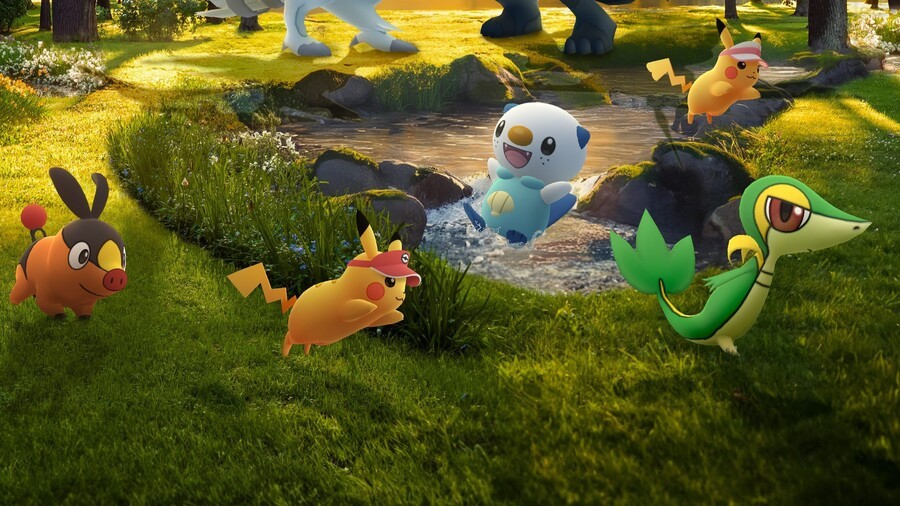
Pokémon Go revolutionized AR gaming by blending exploration, social interaction, and gameplay. (Credit: Nintendo Life)
Why Saudi Ownership Matters
Saudi Arabia’s growing footprint in the global tech and entertainment sectors has been a hot topic in recent years. The kingdom’s Vision 2030 initiative aims to diversify its economy beyond oil, encouraging investments in technology and digital entertainment. Scopely’s acquisition of Niantic fits squarely into this agenda, bringing substantial financial muscle and potentially new strategic directions.
For Niantic’s fans, Saudi ownership is a double-edged sword. On one hand, the deal promises hefty investments and access to resources that could propel AR gaming to new heights. On the other, some players and industry watchers are curious—and cautious—about how cultural differences might influence game content, monetization models, and community engagement.
Industry experts note that Scopely’s track record of leveraging data-driven monetization and global marketing expertise could help Niantic expand its reach, but maintaining the creative freedom and player-centric ethos that made Niantic’s games beloved will be crucial.
What This Means for AR Gaming’s Future
Augmented reality gaming is still evolving, and Niantic remains a key innovator pushing the envelope. The infusion of $3.5 billion and Scopely’s backing could accelerate development of groundbreaking AR titles that blend physical and digital worlds in immersive ways.
Expect to see:
- New AR Games: Beyond Pokémon Go, Niantic is likely to launch fresh titles that utilize advanced AR tech, potentially incorporating AI, 5G connectivity, and richer social features.
- Expanded Live Events: Niantic’s live, location-based events have become hallmark experiences. With new investment, these could grow bigger, more frequent, and more interactive.
- Global Scale and Localization: Scopely’s global expertise could help Niantic tailor experiences for diverse markets worldwide, making AR gaming more accessible and culturally relevant.
- Sustainability and Long-term Support: The “forever games” model suggests ongoing updates, community engagement, and technical support to keep players invested for years to come.

Niantic’s live events create unique real-world social experiences powered by AR. (Credit: Pocket Gamer)
Community Reactions: Buzz and Questions
Across social media and gaming forums, the community buzzes with excitement tempered by thoughtful questions. Will monetization ramp up aggressively under new ownership? Could cultural sensibilities alter content in ways that affect player enjoyment? Will Niantic maintain its hallmark transparency and player-first philosophy?
For many, the central hope is that this deal fuels innovation without sacrificing the magic that made Pokémon Go and other Niantic games so captivating.
Industry Impact: AR Gaming’s New Chapter
This acquisition is a bellwether for the AR sector, signaling that augmented reality games are no longer niche experiments but major contenders in the entertainment business.
With the combined forces of Niantic’s creative vision and Scopely’s financial and marketing prowess, AR gaming could enter a golden age—one that pushes the boundaries of how players interact with digital content overlaid on the real world.
As AR hardware improves and 5G networks expand, the stage is set for immersive, socially connected, and persistent AR game worlds that blend gaming, fitness, education, and entertainment.

AR gaming is poised to become a mainstream entertainment platform with global appeal. (Credit: BBC)
Looking Ahead
Niantic and Scopely’s $3.5 billion deal marks a milestone moment—one that could redefine the AR gaming landscape for years to come. While the partnership holds immense promise, the community and industry will be watching closely to see how the blend of innovation, global investment, and cultural stewardship unfolds.
For now, players can anticipate bigger events, new adventures, and the continuation of a unique gaming genre that encourages exploration, connection, and fun. The augmented reality journey is just getting started.
References:
Written July 13, 2025