
The Future of Physical Video Games: A Collector's Nightmare?
As we step into 2025, the gaming landscape is undergoing seismic shifts that threaten to leave collectors of physical video games in a lurch. With the inexorable rise of digital downloads taking center stage, physical game releases are dwindling, leaving die-hard enthusiasts questioning the future of their treasured collections.
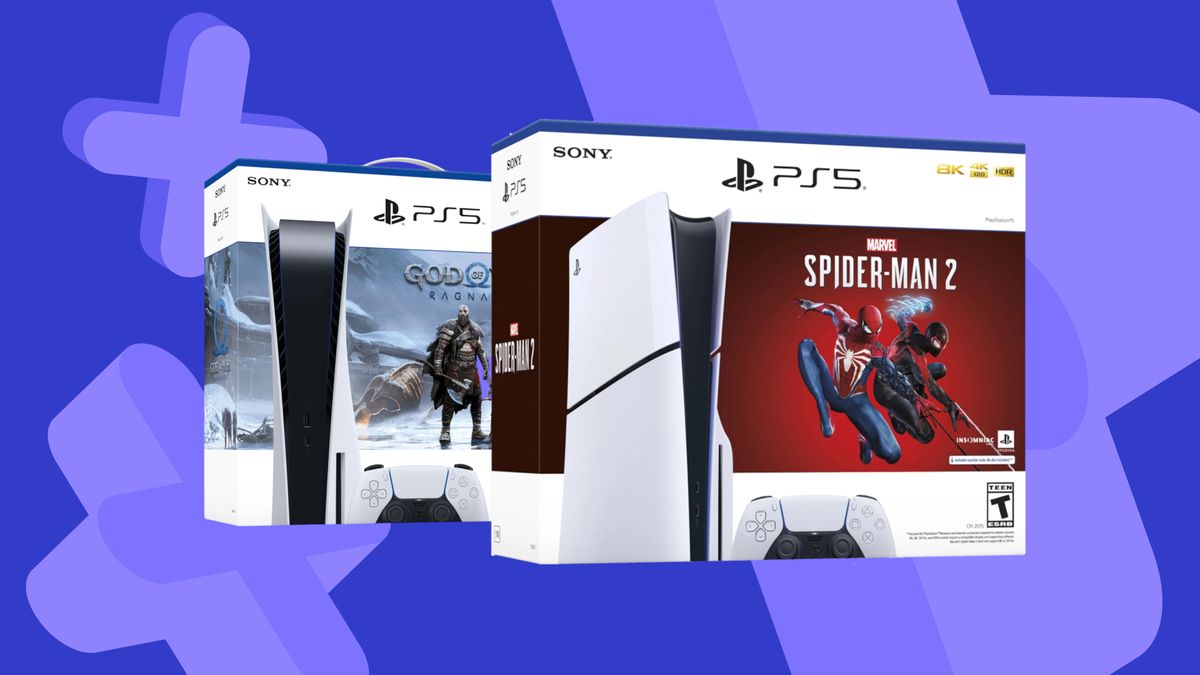
The Decline of Physical Video Games
The digital revolution was already reshaping the entertainment industry, but the gaming sector has felt its impact like never before. Many major publishers now prioritize digital distribution over traditional physical copies. A recent analysis revealed that nearly 80% of game sales in 2025 came from digital downloads, a stark contrast to the previous decade when collectors thrived on physical releases.
This shift is not merely a trend but a profound transformation of the gaming ecosystem. As platforms like Steam, PlayStation Network, and the Xbox Store lead the charge, brick-and-mortar retailers are left scrambling to keep up. Reports suggest that nearly 50% of game stores have shuttered in the past five years, further complicating access for collectors eager to add to their library.
What’s Happening?
The pandemic accelerated the adoption of digital formats, making it clear that many players prefer the convenience of downloading games directly to their consoles or PCs. This preference has led to an alarming trend: some beloved franchises are being released exclusively in digital formats. Recent announcements from major publishers indicate that as many as four out of ten upcoming high-profile titles will not see physical releases at all.
"Game publishers are making a calculated decision to focus on digital sales, where profit margins are higher, and production costs are lower," says industry analyst Sarah Thompson. "This decision leaves physical collectors in a precarious position."
While digital games can be accessed anytime, anywhere, the tactile pleasure of owning a physical copy—complete with artwork, manuals, and the satisfaction of placing it on a shelf—remains unmatched. For many collectors, this experience is irreplaceable.
The Collector's Dilemma
For avid fans, the fear of losing access to physical games is palpable. As publishers discontinue support for older titles, the value of physical copies is predicted to skyrocket. However, skyrocketing values come with concerns about obsolescence. The community is abuzz with conversations on forums like Reddit and NeoGAF, where gamers debate whether to cling to their physical collections or embrace the digital future.
"Should I invest in a physical copy of a game I love, knowing it might become obsolete in a few years?" questions Mike, a longtime collector and avid gamer. "The risk feels too high, yet I can't shake the feeling that physical games are still worth something—maybe even more someday."
A recent petition, titled Stop Killing Games, gained traction on social media, garnering over 1.2 million signatures as gamers rallied for game preservation. The petition argues that publishers should consider offline alternatives for beloved online games, ensuring accessibility regardless of digital marketplace fluctuations.

The Emotional Connection
The emotional ties to physical games can't be overstated. For many, these games are not just media; they are vessels of nostalgia, memories of childhood, and shared experiences with friends and family. The physicality of a game provides a sense of ownership and pride that digital downloads simply cannot replicate.
"There's a certain charm in physically holding a game, flipping through its manual, and admiring the box art," says Emily, a passionate collector who describes her game room as a 'sanctuary' filled with her lifelong favorites. "I still remember the day I bought my first copy of Final Fantasy VII; it feels different than just clicking 'download' on my console."
Industry Response
In response to the growing concerns about the physical gaming market's decline, some publishers are exploring hybrid models. A few companies have rolled out limited edition physical copies that come bundled with exclusive content to entice collectors. The strategy seems to cater to both casual gamers and dedicated fans, ensuring that physical media remains relevant, at least for the time being.
"We recognize the importance of our physical releases and want to ensure our loyal fans have access to those experiences," said a spokesperson from a major gaming studio. "We're committed to providing unique offerings that celebrate both the digital and physical realms of gaming."
Looking Ahead: The Future of Collecting
As we look ahead, the fate of physical video games hangs in the balance. While some collectors are choosing to embrace a digital-first approach, others remain steadfast in their commitment to preserving physical media.
The future may see a new wave of hybrid games—those that offer both digital access and physical copies. This could present an opportunity for collectors to enjoy the best of both worlds while maintaining the emotional connection to physical media.
Will collectors adapt to the digital age, or will they continue to fight for the preservation of their beloved physical games? Only time will tell, but one thing is clear: the gaming landscape is changing, and collectors need to prepare for whatever comes next.
As the digital revolution sweeps through the gaming industry, the question remains: can physical games survive in a world increasingly dominated by downloads? For collectors, this dilemma isn't just about nostalgia—it's about the very essence of what it means to be a gamer in an ever-evolving landscape.
For those interested in the current state of physical video games, a comprehensive analysis can be found on YouTube.
In the meantime, collectors are left to navigate the changing tides of gaming, holding onto the hope that someday, the charm of physical media will find its way back into the limelight.