
Tech Trends from the Tour de France: What Cyclists Can Teach Us
The Tour de France is not just a test of endurance and speed; it’s a dazzling display of cutting-edge technology that shapes the future of cycling. As the world’s most prestigious bike race unfolds, it serves as a crucible for innovation, where professional cyclists and their teams push the boundaries of performance with the latest advancements in cycling gear. Here are some of the most impactful tech trends that have emerged from this year’s event.

1. Wide Tyres
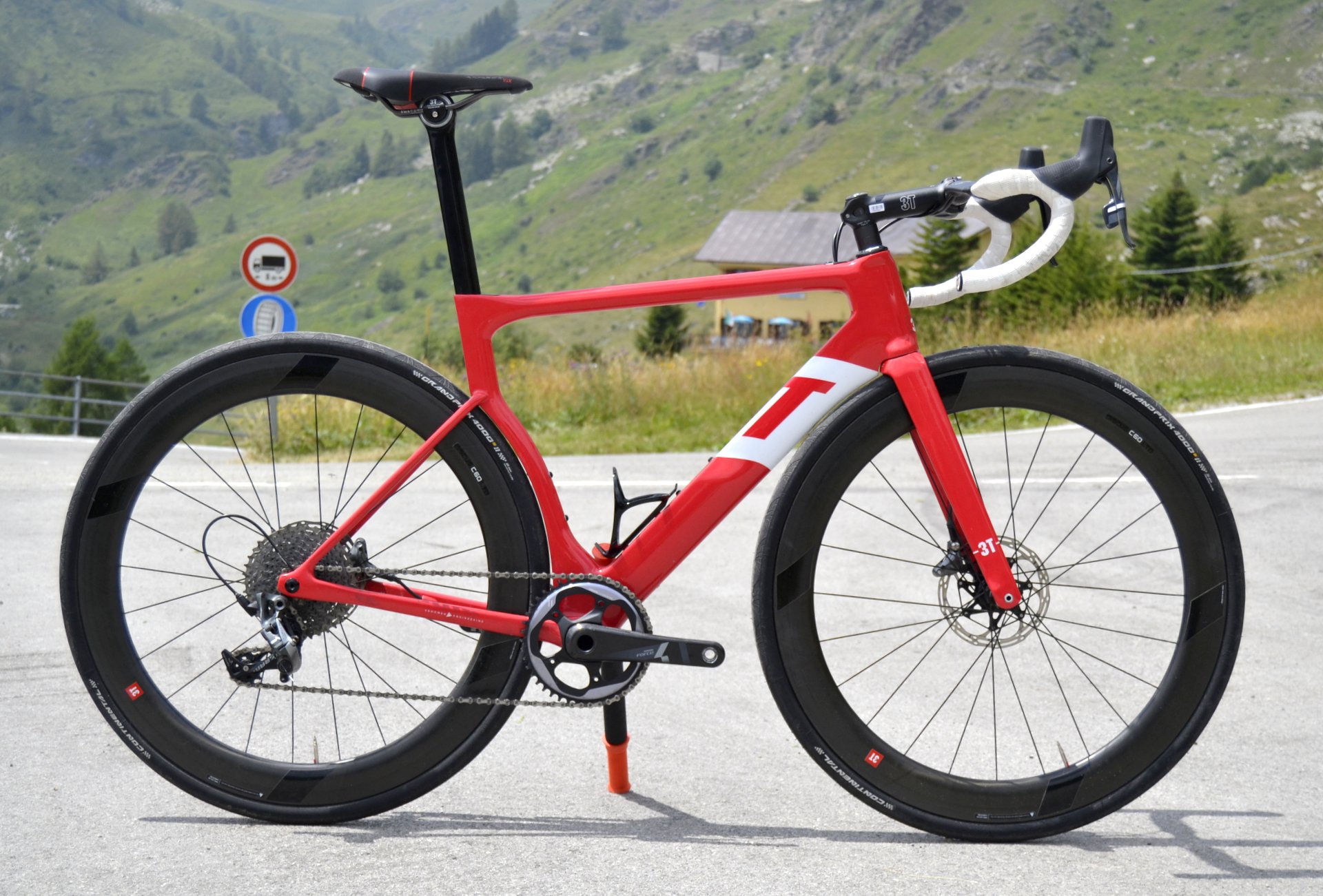
One of the most notable shifts this year is the move toward wider tyres. Traditionally, cyclists have relied on narrow tyres for optimal speed, but the latest trends reveal a growing preference for wider options. These tyres not only enhance grip but also provide increased comfort on varied terrains. Riders are finding that wider tyres contribute to better handling, especially on descents and challenging surfaces, making them a game-changer for performance.
2. Short Saddles
Another innovation gaining traction among professional cyclists is the adoption of shorter saddles. These compact designs are engineered to improve aerodynamics and comfort during long rides. By allowing riders to adopt a more aggressive position without sacrificing comfort, shorter saddles are revolutionizing how cyclists position themselves on the bike. This adaptation can lead to more efficient power transfer and greater speed, especially on flat stretches of road.

3. Tubeless Systems
The introduction of tubeless tyres has become a game-changer in the cycling world. This technology offers several advantages, including lower rolling resistance, which allows cyclists to ride faster with less effort. Moreover, tubeless systems reduce the risk of punctures, providing peace of mind to athletes navigating rougher roads. As the trend gains momentum, it’s clear that tubeless tyres are becoming a staple for both competitive cyclists and leisure riders alike.
4. Narrow Cassettes Are Out
In a surprising departure from traditional setups, many cyclists are moving away from narrow cassettes. The shift towards broader cassettes is driven by the need for more gear options, enabling riders to better tackle steep climbs and rapid descents. This change not only enhances versatility but also allows cyclists to optimize their performance across a range of terrains, a crucial factor in a race as grueling as the Tour de France.
Conclusion
The Tour de France continues to inspire not only competitors but also cycling enthusiasts and tech aficionados. The innovations introduced during the race reflect a broader shift in cycling technology that prioritizes comfort, efficiency, and adaptability. As technology evolves, so too does the approach to cycling, making it an exciting time for both casual riders and seasoned professionals.
Are you ready to adopt any of these innovations in your cycling routine? Whether you’re considering switching to wider tyres or experimenting with tubeless systems, the trends emerging from the Tour de France suggest that staying ahead of the curve can lead to better performance and an enhanced riding experience.
Let us know in the comments what cycling innovations you’re interested in!
For more insights into cycling technology, you can explore the detailed breakdown of these trends here.
With the summer cycling season in full swing, it’s the perfect time to consider how these advancements can help you hit the trails with greater confidence and style.