The Future of Navigation: Tech Trends Shaping Indoor Wayfinding in 2025
In a world where convenience reigns supreme, guests at hotels and visitors in shopping malls expect seamless navigation experiences that rival the outdoor navigation capabilities of Google Maps. As we enter 2025, the demand for effective indoor wayfinding solutions is surging, driving businesses across various sectors to leverage cutting-edge technology. From augmented reality to smartphone integration, the landscape of indoor navigation is rapidly evolving, transforming how we find our way through complex environments.
1. Smartphone Reliance
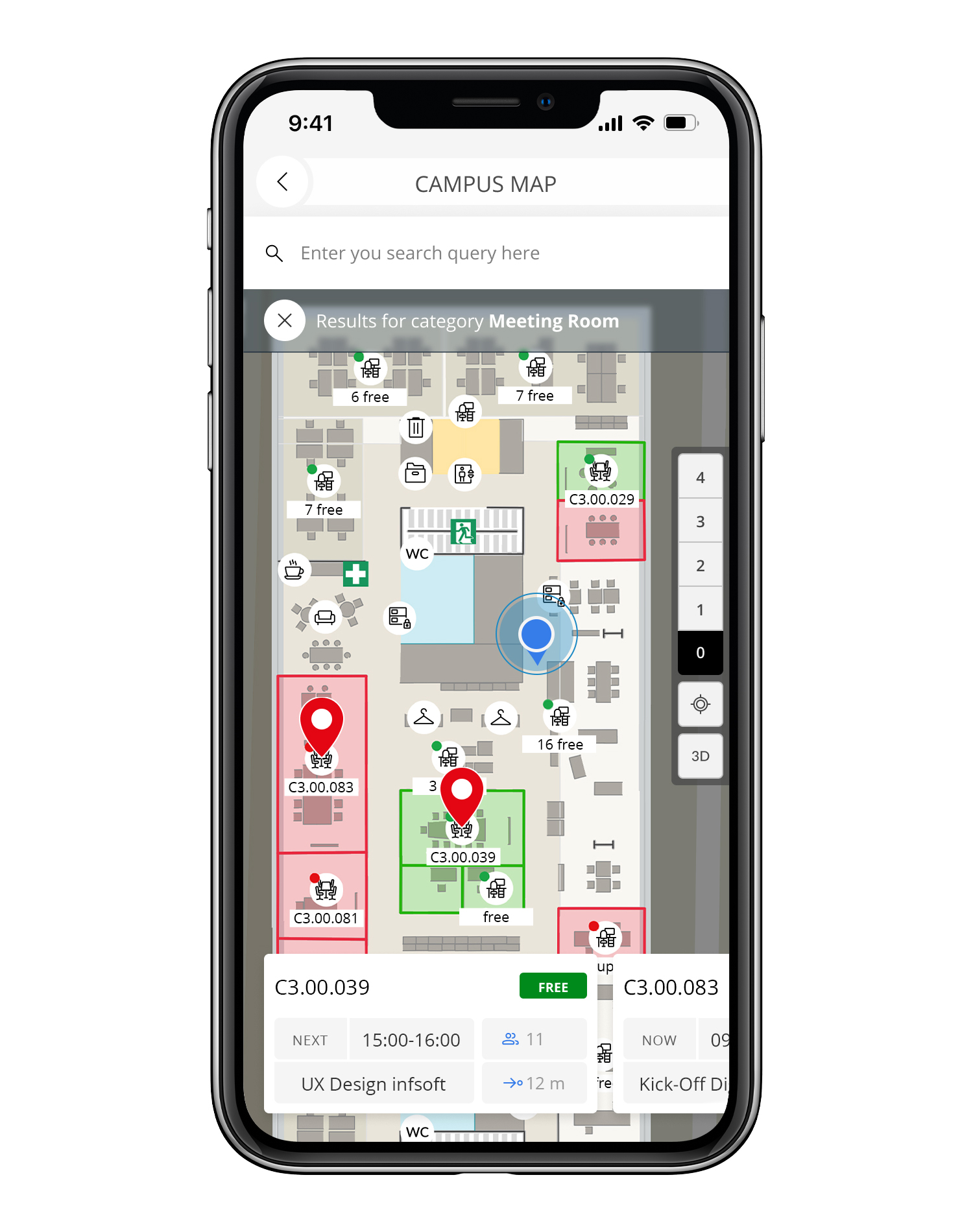
A recent survey highlights that an overwhelming 90% of consumers rely on smartphones for navigation, underscoring the need for businesses to adopt technologies that integrate seamlessly with these devices. The hospitality and retail sectors are particularly impacted, as customer satisfaction hinges on convenience. In response, businesses are prioritizing mobile-friendly navigation solutions, allowing guests to effortlessly navigate spaces without the need for additional hardware.
2. Enhanced Wayfinding Solutions
From scenic beach resorts to bustling city hotels, properties are implementing sophisticated wayfinding systems powered by GPS, WiFi, and Bluetooth. These technologies work together to help guests find their way accurately while also providing valuable data to operators. For instance, hospitality providers can track foot traffic patterns, optimizing layouts and identifying areas for improvement.
According to the Mapsted blog, businesses that adopt these enhanced navigation systems not only improve user experience but also streamline operational efficiency, significantly impacting guest satisfaction and loyalty.
3. AI and Machine Learning
Artificial Intelligence (AI) is becoming essential in refining navigation experiences. By analyzing user behavior and preferences, businesses can create personalized navigation prompts and recommendations. For example, a hotel app might suggest the quickest path to the pool based on the user’s previous locations within the property.
As AI continues to evolve, so too will the sophistication of indoor navigation systems. Machine learning algorithms can adapt in real-time, learning from user interactions to improve future experiences. This dynamic approach not only enhances convenience but also builds a deeper connection between guests and the establishments they visit.
4. Privacy and Security
With the increasing reliance on digital navigation solutions, the importance of digital trust cannot be overstated. Consumers are becoming more aware of how their data is collected and used, leading to heightened expectations for privacy and security.
Businesses must ensure that their navigation systems protect user data and maintain transparency in information handling. According to industry experts, companies that prioritize digital trust are more likely to foster customer loyalty and engagement. As digital navigation tools evolve, maintaining a secure environment will be a critical component of their success.
5. Future Innovations
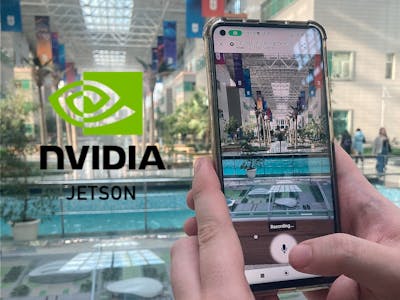
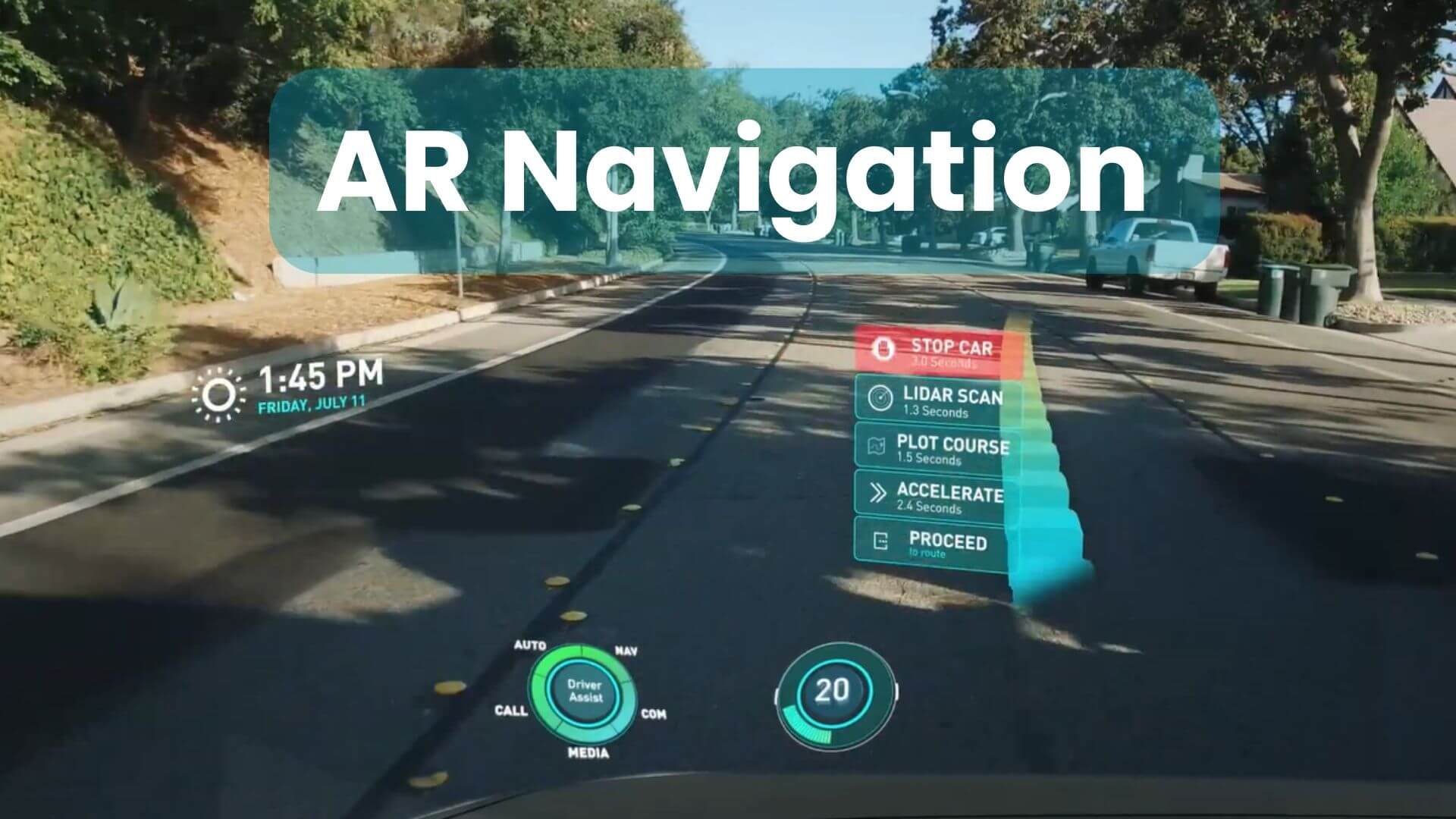
The future of indoor navigation is set to become even more immersive with the integration of augmented reality (AR). Imagine a scenario where guests can point their smartphones at a hotel lobby to see directional arrows overlaying the real world, guiding them to their destination with a delightful and engaging experience.

Such innovative solutions are already being tested in various environments. The potential for AR to enhance wayfinding not only improves usability but also adds a layer of excitement to the navigation experience, making the process enjoyable rather than cumbersome.
Conclusion
As we look ahead to 2025 and beyond, the future of indoor navigation is undeniably bright. The convergence of smartphone technology, AI, enhanced wayfinding systems, and AR is poised to reshape how we navigate complex environments. By embracing these trends, businesses can significantly enhance guest experiences while positioning themselves as leaders in the technology-driven service landscape.
The ongoing evolution of navigation technology is not just about keeping up with consumer expectations; it's about reimagining how we interact with the spaces around us. As businesses invest in these innovations, they will not only improve customer satisfaction but also create a more connected and efficient environment for everyone involved.
Stay tuned to see how these advancements will continue to shape our daily interactions in 2025 and beyond!