Stop Killing Games: Gamers Unite for Developer Rights

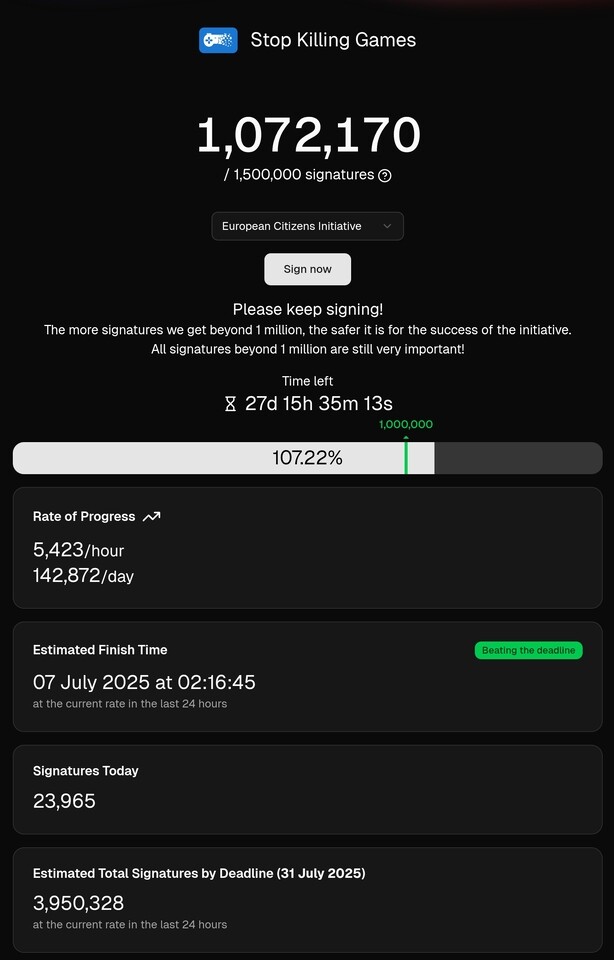
A grassroots movement is sweeping across Europe, uniting gamers under a common cause: the right to keep their favorite online games alive. The “Stop Killing Games” initiative has gathered an impressive 1 million signatures in support of a petition aimed at compelling publishers to reconsider the discontinuation of beloved titles. As the gaming landscape evolves, players are rallying together, voicing their frustrations over titles that have been abandoned and the emotional impact of losing access to online experiences.
A Growing Movement
The sentiment behind the Stop Killing Games movement resonates with many gamers who feel a profound sense of loss when a game they cherish is suddenly shut down. For countless players, these titles are more than just digital escapism; they represent community, friendship, and countless hours of enjoyment. As exasperation mounts, advocates are calling for a change in the way publishers approach the discontinuation of online services.
“We’re not just numbers; we’re a community,” says Clara Jensen, a dedicated gamer and one of the petition’s organizers. “When a developer decides to shut down a game, it feels like they’re pulling the plug on our social lives. We’re calling for change, for our voices to be heard.”
The Developer's Perspective
In response to the overwhelming support for the petition, Video Games Europe, a group representing several major game publishers, issued a statement highlighting the complexities surrounding the decision to discontinue online services. They argue that while they appreciate the passion from the gaming community, there are practical reasons for shutting down games, including commercial viability and the need to allocate resources towards new projects.
“Decisions to discontinue online services are multifaceted and never taken lightly,” the statement read. “When an online experience is no longer commercially viable, it’s necessary to consider the overall health of the business and future titles.”
Developers maintain that these proposals, if enacted, could limit their flexibility and make it prohibitively expensive to create new games. The concern is that enforcing the right to keep games live could lead to higher costs and fewer innovative projects in the pipeline.
The Case for Game Preservation
Despite the pushback from publishers, the movement has sparked an important conversation about the preservation of digital games and the responsibilities of developers toward their communities. Advocates argue that allowing players to access their favorite titles—especially those with dedicated player bases—should be a priority.
“Many of us invest not just time but also money into these games,” says Mark Thompson, an avid player. “When a game is discontinued, it feels like our investment has been wasted, like we’ve been robbed of something special that we can never get back.”
As part of their campaign, supporters are calling for publishers to explore alternatives to game discontinuation, such as private servers, which could allow communities to keep their favorite games alive even after official support has ended. However, the feasibility of this idea remains a point of contention.
The Impact of Community Engagement
The passionate response to the Stop Killing Games campaign has highlighted the gaming community's power and unity. As the petition continues to gain traction, it has begun to attract attention from various gaming media outlets, drawing in more supporters who share similar sentiments.

Gamers have taken to social media platforms to share their favorite moments from discontinued titles, creating hashtags like #SaveOurGames and #GamePreservation. Posts featuring nostalgic clips and stories have gone viral, generating discussions about the significance of these games in their lives.
“Every time I think about my time in [insert title], I remember the friends I made and the adventures we shared,” says Jenna, a gamer who signed the petition. “It’s not just about playing; it’s about the memories tied to those experiences.”
The Road Ahead
As the Stop Killing Games movement continues to grow, it remains to be seen whether it will lead to significant policy changes that affect how online games are managed. The debate surrounding developer rights vs. player rights is bound to intensify, especially as more games are transitioned to subscription models and online services become more prevalent.
Nonetheless, one thing is clear: gamers are no longer willing to accept the end of their favorite titles without a fight. The movement not only represents a plea for preservation but also underscores a broader desire for accountability from publishers—a call for them to recognize their role in the lives of their players.

As stakeholders navigate these challenges, the outcome will define the future landscape of online gaming. Will developers heed the call of their communities, or will the trend of discontinuing beloved games continue? The answer lies in the strength of the movement and the commitment of gamers to keep advocating for their rights.
In the coming months, the Stop Killing Games initiative may serve as a benchmark for how the industry approaches game preservation and community engagement. Only time will tell if their efforts will secure a lasting impact in the realm of gaming.
Conclusion
The Stop Killing Games movement represents a seismic shift in the relationship between gamers and developers. As they demand policies that protect their rights and access to online gaming, the conversation surrounding game sustainability and community responsibility is more relevant than ever. With over a million signatures backing the initiative, players are taking a stand, hoping to influence the future of gaming for generations to come.
For more information about the petition, visit the official website.