
Cute Dates, Bisexual Chaos, and Game-Changing Kisses: Video Games’ Best Queer Moments
In the vibrant realm of video games, a powerful evolution is taking place. Gone are the days when players were confined to traditional narratives and one-dimensional characters. Today’s gaming landscape is rich with LGBTQ+ representation, showcasing heartfelt romances, chaotic adventures, and unforgettable moments that resonate deeply with queer audiences. As we dive into these game-changing experiences, we celebrate the titles that have not only entertained us but have also played a significant role in shaping queer culture.

Exploring LGBTQ+ Representation in Video Games
Video games have become a profound medium for storytelling, offering players an opportunity to explore diverse narratives that reflect real-world experiences. The increasing representation of LGBTQ+ characters has been a heartwarming trend, showcasing the beauty and complexity of queer relationships in a way that resonates with many players.
Heartfelt Romances
One of the most poignant examples of LGBTQ+ representation can be found in The Last of Us Part II, where players are introduced to Ellie, a young woman navigating love and loss in a post-apocalyptic world. Her relationship with Dina is not merely a subplot; it’s integral to the storyline, allowing players to experience the depth of their connection through shared moments of joy and heartache. As Ellie grapples with her identity and the harsh realities of her world, players gain a deeper understanding of the struggles many LGBTQ+ individuals face in their own lives.
Similarly, Life is Strange weaves LGBTQ+ narratives seamlessly into its gameplay. Players make choices that impact character relationships, exploring themes of love, friendship, and acceptance. The game's protagonist, Max, shares a deeply emotional bond with her childhood friend Chloe, culminating in a romantic relationship that feels both genuine and relatable.
Chaotic Adventures
On the flip side, games like Fire Emblem: Three Houses inject excitement and personal connection into the gameplay with their inclusive romantic options. Players can engage in relationships with characters of various genders, allowing for a rich diversity of experiences. The freedom to choose whom to romance adds a dynamic layer to the gameplay, fostering a space where players can explore their identities and preferences in a welcoming environment.
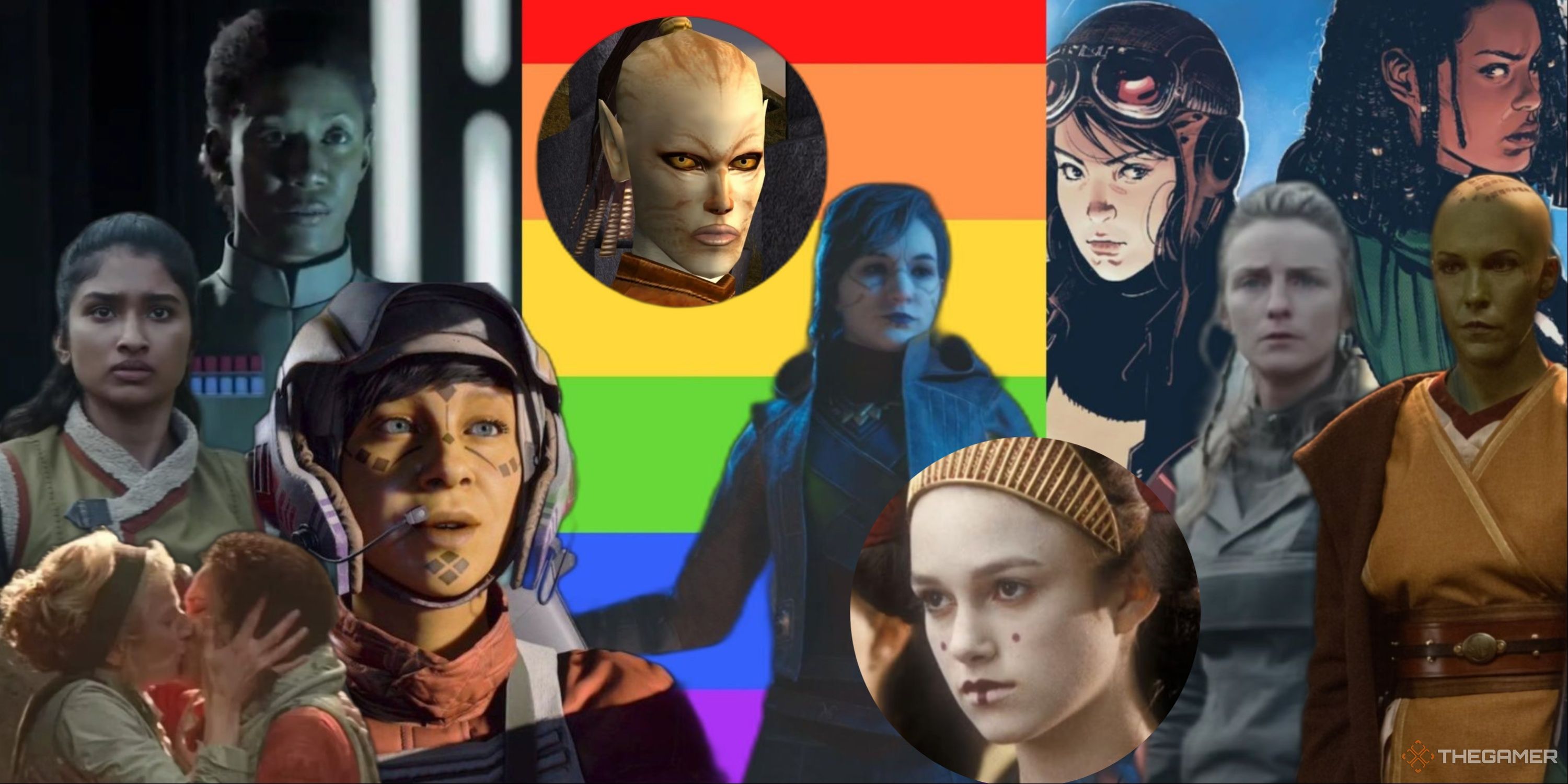
Impact on Culture
The impact of these representations transcends mere inclusion; they are about visibility and acceptance. Video games provide players with a platform to see themselves reflected in the stories they love. A report from The Guardian indicates that the gaming industry has a responsibility to tell diverse stories, as the growing interest in LGBTQ+ representation can create a more inclusive atmosphere in gaming.
Breaking Stereotypes
These games challenge stereotypes and showcase a variety of experiences that differ from mainstream narratives. For example, Dream Daddy: A Dad Dating Simulator celebrates fatherhood and masculinity in a refreshingly queer way, allowing players to explore romantic connections with other dads. Its lighthearted approach to LGBTQ+ themes encourages players to embrace their identities without judgment.
As the gaming industry continues to evolve, it becomes increasingly crucial to support titles that represent marginalized communities authentically. The narratives crafted in these games not only entertain but also educate, fostering understanding and acceptance among players of all backgrounds.
Game-Changing Kisses and Memorable Moments
From the first blush of a shared glance to the intensity of a game-changing kiss, these moments have cemented their place in gaming history. Titles like The Sims series allow players to create their unique stories, including same-sex relationships, and have evolved to include non-binary gender options, making it a beloved space for LGBTQ+ gamers.
Moreover, the Persona series features a diverse cast that allows players to explore romantic relationships with various characters, including same-sex options. The complexity of these interactions emphasizes the importance of connection and understanding, inviting players to experience the highs and lows of love.

In a world where representation matters, these games serve as a beacon of hope for many. They leave players with lasting impressions—moments that resonate long after the console is turned off. As players experience love in its many forms, they find solace and affirmation in the stories that reflect their realities.
Conclusion
As we celebrate these game-changing moments, it’s clear that video games are not just about play; they are about connection, understanding, and love in all its forms. The increasing visibility of LGBTQ+ narratives allows players to feel seen and heard, creating a more inclusive gaming culture.
Let’s continue to support and uplift games that embrace diversity and inclusivity, ensuring the gaming world remains a welcoming place for everyone. As we look to the future, it’s essential to advocate for more stories that reflect the rich tapestry of human experiences, fostering a gaming environment where every player can find their voice and celebrate their identity.
For those wanting to explore these narratives, we highly recommend diving into titles that thoughtfully showcase LGBTQ+ representation. As we reflect on these moments, let’s commit to championing diversity in gaming and beyond.
References: