
Construction Tech: The Digital Revolution Reshaping the Building Industry
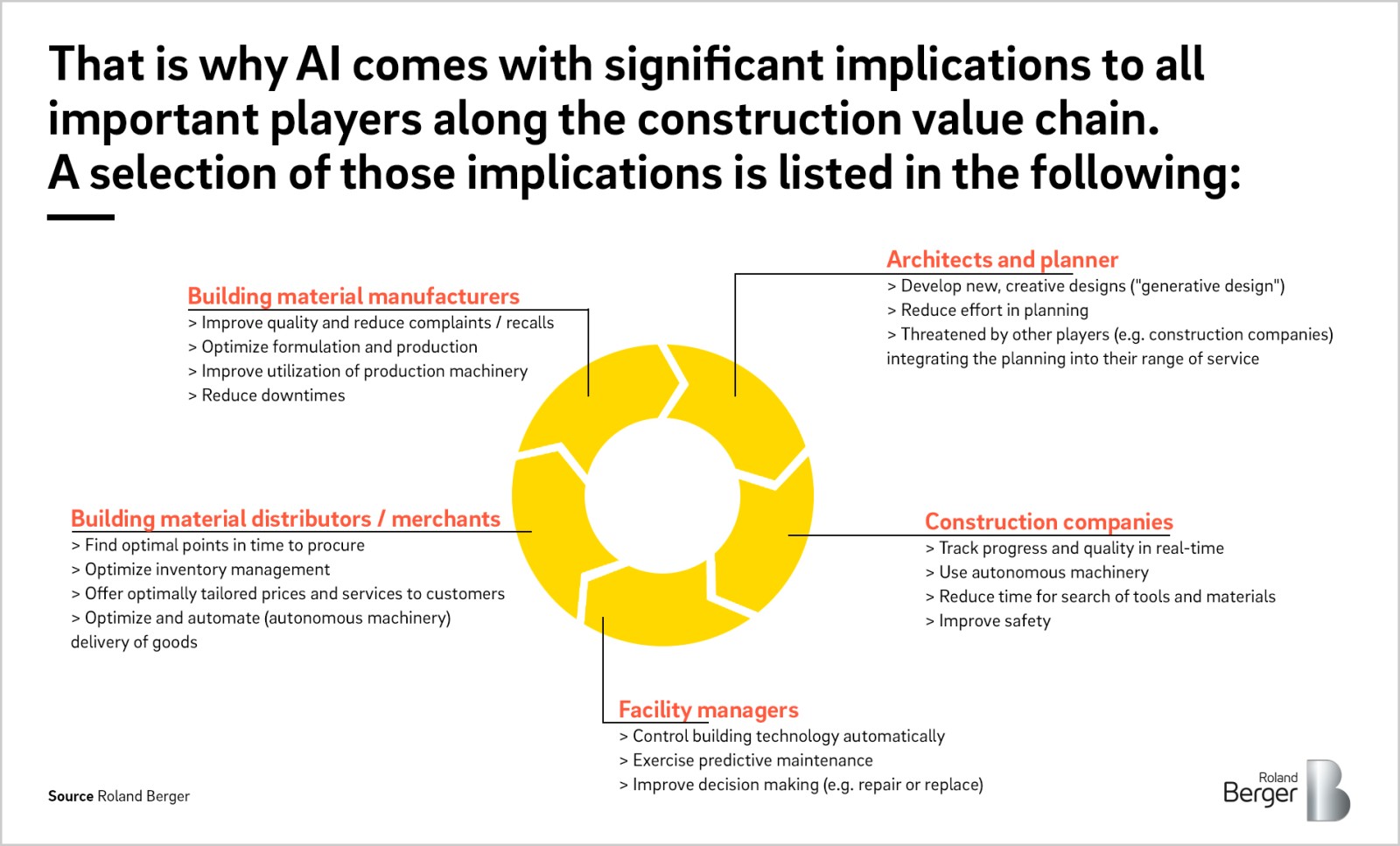
In a world where project deadlines loom larger and costs are ever-increasing, construction technology is stepping into the spotlight as the unsung hero of the building industry. From cloud-based permitting systems to IoT-enabled gear, digital tools are reimagining everything from project planning to on-site execution, making life easier for contractors of all sizes. As these innovations proliferate, they are not just enhancing efficiency; they are also leveling the playing field, enabling smaller firms to compete with industry giants.

Key Innovations in Construction Technology
Cloud-Based Permitting
Navigating the maze of permits and approvals can often slow down construction timelines, but many local governments are now embracing cloud-based permitting systems. These tools allow digital submissions and automated workflows that significantly expedite review cycles, helping to reduce backlogs and increase transparency. According to a recent report from PermitFlow, these systems are transforming how builders interact with regulatory agencies, leading to smoother project progress.
IoT Devices
The Internet of Things (IoT) is making waves in construction as well. IoT devices can track worker movements and monitor compliance regarding safety protocols in real-time. For instance, wearables that alert teams to potential hazards, such as proximity to heavy machinery, are becoming essential in ensuring on-site safety. The integration of these devices is not only enhancing worker protection but also assisting in maintaining compliance with industry regulations.
Digital Dashboards
In the age of information, data is king. Digital dashboards powered by technologies like Building Information Modeling (BIM) enable developers to manage multiple projects at once. These dashboards allow for easy tracking of key performance indicators (KPIs), measuring return on investment (ROI), and generating reports for stakeholders. As stated in the same PermitFlow article, tools that support accurate forecasting and tenant coordination are gaining traction.
Empowering Smaller Contractors
Perhaps one of the most exciting aspects of this digital revolution is its potential to empower smaller contractors. Historically, smaller firms have struggled to compete with larger organizations that possess greater resources. However, the democratization of technology has enabled lean teams to operate with the speed, accuracy, and professionalism typically associated with their larger counterparts—without incurring the same hefty overhead costs.
For example, automation tools can handle tasks that previously required extensive administrative staff, allowing smaller firms to redirect their focus toward project execution. With the right technology, even a small crew can deliver results that rival those of national development firms.

The Future is Digital
As digital tools become more mainstream, traditional desktop software is being replaced by cloud solutions that can be accessed from any device. This shift not only enhances collaboration but also allows hybrid teams to stay connected through video walkthroughs and synchronized digital markups, ensuring that everyone remains on the same page—regardless of their physical location.
Construction firms are beginning to realize that embracing technology isn't just a convenience; it's a necessity for survival in a rapidly evolving industry. As the adage goes, "adapt or perish." Builders that leverage digital tools are not only streamlining operations but also gaining a competitive edge that can unlock new growth opportunities.
The Rise of Prefabrication and Modular Construction
Another trend reshaping the construction landscape is the rise of prefabrication and modular construction. Digital tools aid in the planning and management of these components, significantly reducing on-site build time and improving overall precision. The ability to visualize projects digitally before they are physically constructed minimizes errors and ensures a more efficient workflow.
Embracing Change and Overcoming Challenges
While the benefits of adopting construction technology are clear, many companies face challenges during the transition. Resistance to change, the need for training, and the upfront costs associated with new technologies can be significant barriers. However, industry experts emphasize that careful planning and a focus on long-term benefits can lead to successful implementation.
Organizations looking to make this transition should consider the following strategies:
- Invest in Training: Ensure that all employees are well-trained in new technologies to maximize their effectiveness.
- Start Small: Implement a few essential tools first and gradually expand as comfort with technology grows.
- Engage Stakeholders: Involve all parties—from the inside team to external partners—in the technology adoption process to foster buy-in and collaboration.
By addressing these challenges, construction companies can smoothly integrate digital tools into their operations, gaining an invaluable edge in the competitive landscape.

Conclusion
The construction industry is on the brink of a technological renaissance. As more builders embrace innovative tools, the sector is poised to become more efficient, collaborative, and sustainable. For contractors—whether they’re managing large-scale developments or small local projects—the future is undeniably digital. Embracing these changes will not only streamline operations but also enable firms to thrive in an increasingly competitive marketplace.
As the digital revolution continues to unfold, construction professionals are encouraged to stay engaged with emerging technologies and best practices. Those who do will be best positioned to elevate their building game and redefine success in the industry.
In the world of construction, the time to innovate is now. Are you ready to embrace the change?