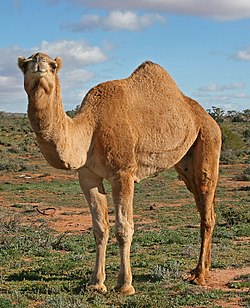
Camel Bites and Viral Videos: Karachi's Wild Encounter
In a jaw-dropping moment that has taken social media by storm, a man in Karachi found himself on the receiving end of a camel bite! The video, which quickly went viral, showcases the unexpected and often humorous side of animal encounters. As the man approaches the camel, things take a turn when the animal decides it’s time for a snack—of the human variety! This incident not only highlights the unpredictability of wildlife interactions but also serves as a reminder to respect animals' personal space. Social media users have reacted with a mix of shock and laughter, sharing their own stories of bizarre animal encounters. As the video continues to circulate, it raises questions about how we interact with animals in urban settings and the importance of safety around wildlife.
The Viral Video: A Closer Look
The viral video, which has amassed millions of views across platforms like Twitter and Instagram, clearly captures the moment of the bite. In the footage, the unidentified man leans in to pet the camel, seemingly oblivious to the potential danger. Within seconds, the camel lunges forward, resulting in a swift nip to the man's arm.
While many viewers found the incident humorous, it also sparked serious discussions about the interaction between humans and animals, particularly in urban environments where wildlife encounters can become increasingly common.
Reactions and Reflections
As expected, reactions to the video have been a mix of disbelief and amusement. Social media platforms have been flooded with memes, jokes, and personal anecdotes from users recalling their own bizarre animal encounters. One Twitter user quipped, “Only in Karachi can you get bitten by a camel while trying to make friends!”
On a more serious note, Dr. Zainab Malik, a local veterinarian, emphasized the importance of understanding animal behavior. “Animals, including camels, have their own personal space. When we intrude, we risk provoking a defensive response,” she explained. This sentiment was echoed by numerous animal welfare organizations who took to social media to advocate for safer interactions between people and wildlife.
The Camel Culture in Karachi
Camels have a long-standing cultural significance in Karachi, often associated with traditional events and festivals. They are commonly seen in markets and fairs, captivating crowds with their unique characteristics. However, as urban expansion continues, the likelihood of human-animal encounters increases, making it essential for the public to remain educated about proper interaction protocols.
As Karachi’s population swells and its landscape changes, experts urge city-dwellers to be cautious when encountering wildlife. The recent camel bite incident serves as a stark reminder that even animals often seen as docile can react unpredictably when they feel threatened or uncomfortable.
Animal Safety Guidelines
To foster better safety practices, various animal welfare organizations in Karachi have developed guidelines aimed at preventing similar incidents. These guidelines include:
- Maintain Distance: Always keep a safe distance from animals, especially those that are not domesticated.
- Avoid Feeding: Feeding wild or semi-wild animals can encourage aggressive behavior; it is best to observe them from afar.
- Educate Yourself: Understanding animal behavior can help prevent unforeseen encounters.
- Seek Guidance: If you are unsure about how to interact with an animal, consult with animal care professionals or local authorities.
A Global Conversation
The camel bite incident has transcended borders, inviting global audiences to weigh in on the topic of human-animal interactions. From viral TikTok challenges to Instagram stories, the incident encourages viewers to share their experiences in a light-hearted manner.
In Brazil, a similar video featuring a capybara biting a tourist in a park also sparked discussions about wildlife in urban areas, proving that this is a universal issue. “We need to start a global conversation about wildlife safety,” stated environmental activist Maria Gomez from São Paulo. “Every culture has its own unique relationship with animals, but respect and education are universal.”
Conclusion
The viral video of the camel bite in Karachi has not only entertained millions but also ignited essential conversations about the interactions between humans and wildlife. As laughter continues to echo across social media, it’s critical to remember the underlying message: respect for animals and their habitats is paramount.
As we navigate urban environments shared with wildlife, let’s take a cue from this humorous—and slightly painful—incident. Next time a camel raises its head, perhaps a little distance and a respectful wave will be the safest way to say hello.
For more on this story and related animal welfare guidelines, visit ARY News.