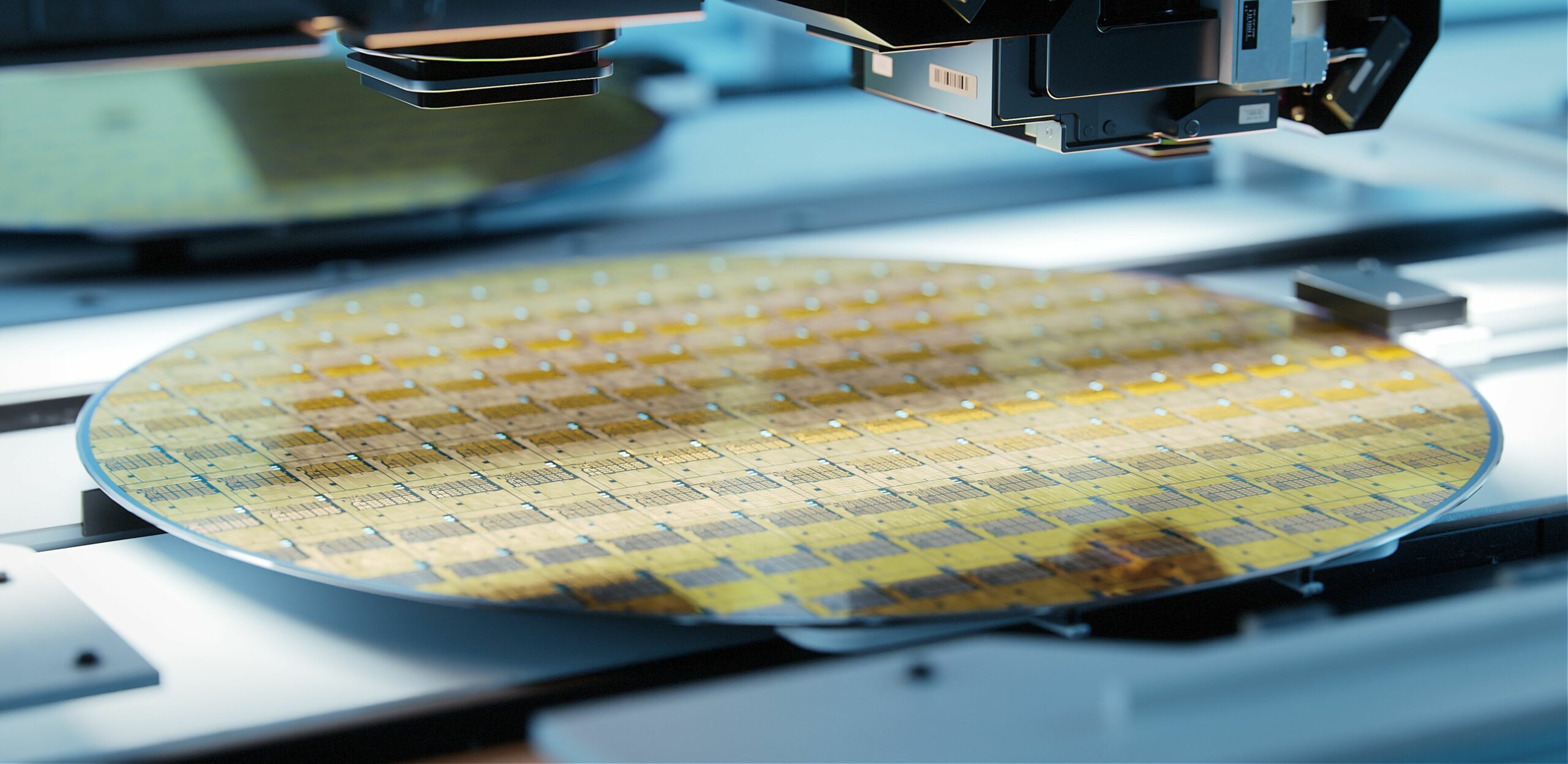
The Rise of AI-Based Processor Chips: China's Game-Changer
In a stunning leap forward, China has unveiled the world's first automated AI-based processor chip design system, Qi Meng, which is poised to revolutionize the tech landscape. This remarkable innovation not only streamlines the chip design process but also enhances AI capabilities on a global scale, marking a significant milestone in the semiconductor industry.

What is Qi Meng?
Qi Meng translates to "Dream of AI" in English, reflecting its ambitious goal to simplify and accelerate the traditionally complex chip design process. This automated system utilizes sophisticated algorithms that reduce the manual labor and specialized knowledge typically required for chip design. By automating these processes, Qi Meng aims to make chip design more accessible to a broader range of developers, from large corporations to small startups.
According to industry experts, the introduction of Qi Meng could drastically cut down the time and cost associated with developing new chips. For instance, a process that once took months to complete can now be executed in a matter of weeks. This advancement is crucial as global demand for AI technologies continues to soar, especially in sectors such as consumer electronics, automotive, and industrial automation.
Why It Matters
The semiconductor industry has long been dominated by a few key players, primarily in the United States and Taiwan. With Qi Meng, China is not only stepping into the spotlight but is also challenging the status quo. "This is a game-changer for the global tech ecosystem," remarked Wei Chen, a semiconductor analyst at TechNode. "China's capability to innovate in chip design will enhance its competitive edge and push other nations to accelerate their own technological advancements."
As artificial intelligence becomes increasingly integrated into everyday products, the demand for more powerful and efficient chips is at an all-time high. The global semiconductor market is projected to reach $1 trillion by 2030, according to a report by McKinsey. With Qi Meng's introduction, China positions itself as a formidable contender in this lucrative market.

The Tech Behind Qi Meng
At the heart of Qi Meng's technology lies machine learning, which enables the system to learn from previous designs and improve its output over time. This iterative approach not only enhances the quality of the designs but also significantly reduces the likelihood of errors.
The system incorporates various AI techniques, including deep learning and neural networks, which mimic human-like reasoning and decision-making processes. As a result, Qi Meng can optimize designs based on performance criteria, such as power consumption and processing speed, ensuring that the chips produced are as efficient as possible.
Furthermore, this technology aligns with China's broader strategy to achieve technological self-sufficiency, particularly in the face of export controls and trade tensions with the United States. By developing indigenous technologies like Qi Meng, China aims to decrease its reliance on foreign technology and bolster its domestic semiconductor industry.
Industry Reactions
The announcement of Qi Meng has ignited excitement across the tech community. Many industry leaders and analysts are keen to see how this innovation will influence future hardware developments. "The introduction of such a powerful tool could lead to a new wave of innovations in AI applications, from smarter devices to more efficient data centers," said Liu Yang, a senior researcher at the China Semiconductor Research Institute.
However, not everyone is optimistic. Some experts warn that while Qi Meng may improve efficiency, it is still unclear whether it can produce chips that can compete with the high-performance products from established firms like NVIDIA and Intel. "Quality and performance are paramount," said Jane Huang, a technology strategist. "We need to see concrete results before we can fully embrace this technology."
Looking Ahead
As the tech world watches closely, the introduction of Qi Meng could signal the dawn of a new era in chip design and production. The implications for AI development are immense, as faster and more efficient chips could enable more sophisticated AI applications. From autonomous vehicles to smart homes, the potential applications are virtually limitless.
In the coming months, industry experts expect to see a surge in interest from both domestic and international developers eager to leverage Qi Meng's capabilities. Will this be the catalyst for a new wave of technological advancements? Only time will tell!

For ongoing updates about Qi Meng and its impact on the tech industry, stay tuned to credible sources like TechNode.
In conclusion, the launch of Qi Meng represents a significant step forward for China in the global semiconductor arena. As the demand for AI technologies continues to surge, this innovation may very well reshape the landscape, inviting both opportunities and challenges for tech developers around the world.