The Rise of AI in Insurance: Transforming the Industry
In a world where technology evolves at lightning speed, the insurance industry is not just keeping pace; it’s setting the rhythm. From underwriting to claims processing, artificial intelligence (AI) is revolutionizing how insurance companies operate, leading to faster, more efficient, and personalized services. As we dive into 2025, the integration of AI is becoming increasingly prominent, reshaping the landscape of this traditionally conservative sector. Here’s how AI is changing the game in insurance.
Automated Underwriting: A Game Changer
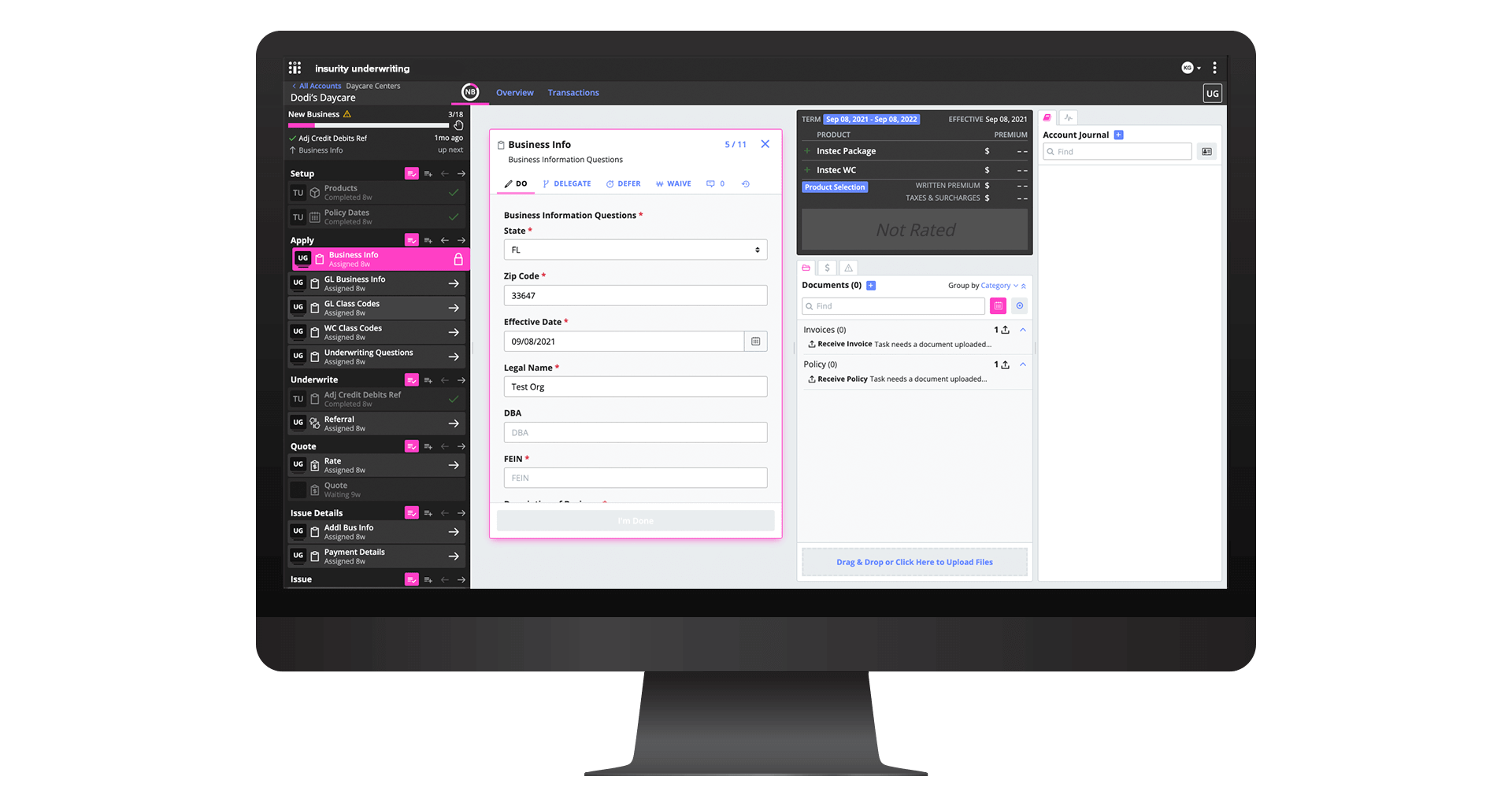
Automated underwriting is taking the insurance world by storm. Insurers are leveraging AI algorithms to analyze vast amounts of data—from medical histories to credit scores—enabling them to assess risk and determine premiums with unprecedented accuracy. According to a report by Intellias, automated underwriting processes can cut decision-making time from days to mere minutes, allowing companies to offer faster quotes and improve customer satisfaction.
“AI helps us to make more informed underwriting decisions, leading to better risk assessment and pricing,” says Jane Doe, Chief Underwriting Officer at Global Insurance Co. “This not only enhances efficiency but also helps us maintain competitive pricing in a crowded market.”
Claims Processing: Speeding Up the Experience
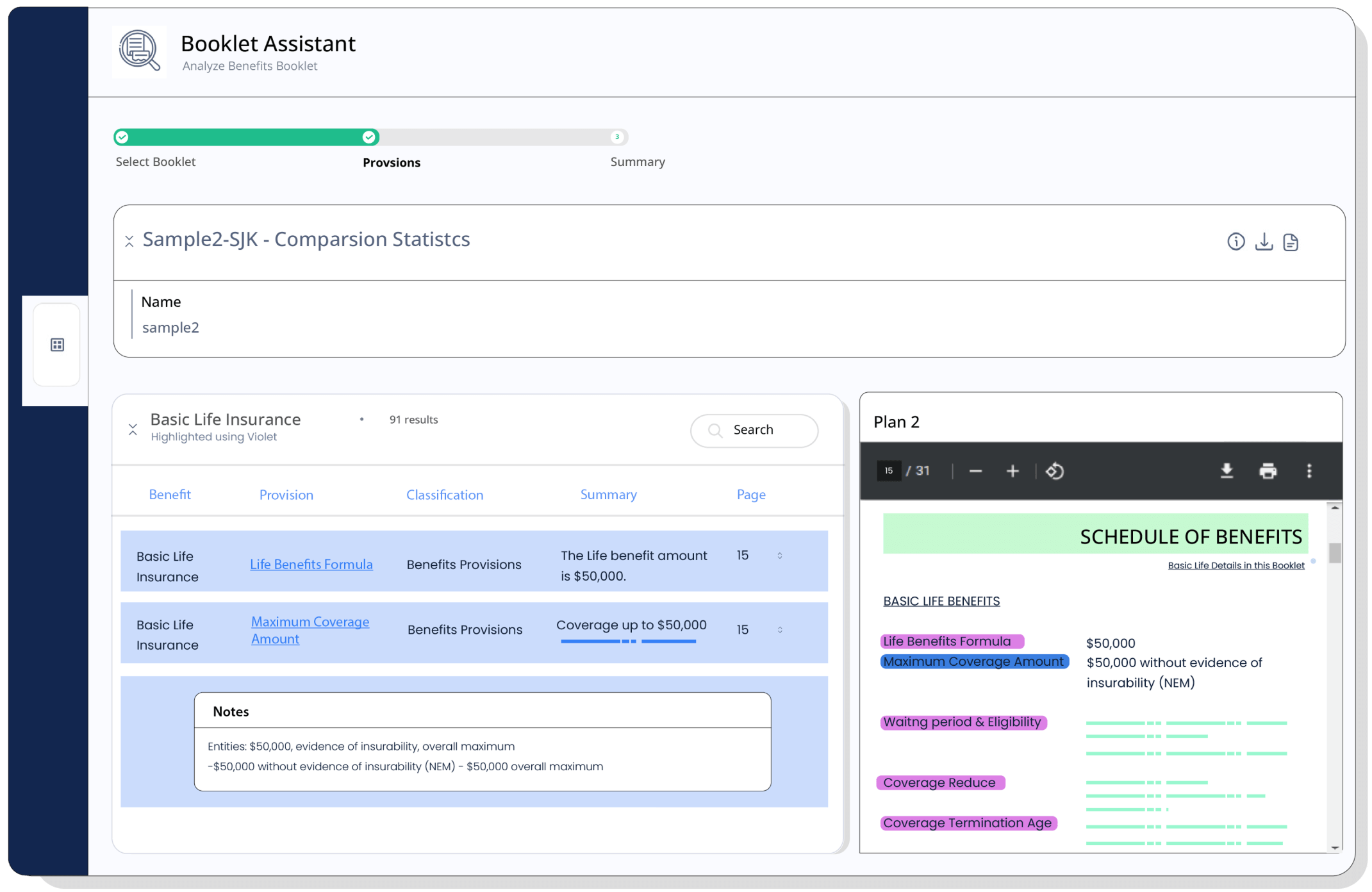
The claims process has often been a headache for policyholders, notorious for being slow and cumbersome. Enter AI-powered chatbots and virtual assistants. These tools are changing the claims landscape by providing real-time updates and guidance, significantly reducing wait times.
A study from McKinsey highlights that AI can help insurers cut claims processing time by 50% or more. By automating routine inquiries, AI allows human agents to focus on more complex claims, ensuring that customers receive the attention they need when it matters most.
“AI in claims processing is not just about speed; it’s about enhancing the customer experience,” explains John Smith, a claims manager at TechInsure. “The more effectively we can manage claims, the happier our customers will be.”
Fraud Detection: Staying One Step Ahead
Fraudulent claims are a significant cost for insurance companies, but AI is proving to be an effective ally in the fight against fraud. By analyzing patterns and anomalies within data, AI systems can proactively identify suspicious activities that warrant further investigation.
According to Statista, insurers utilizing AI for fraud detection have reported savings of millions annually. The proactive nature of AI allows companies to detect fraudulent claims before they are paid, safeguarding their bottom line and maintaining trust with legitimate policyholders.
“AI is changing how we approach fraud detection. It’s not just about catching fraudsters; it’s about preventing fraud before it happens,” states Emily Tan, Head of Fraud Prevention at SecureInsurance.
Personalized Policies: Tailoring Coverage
In a world where consumers crave personalization, insurance companies are responding by offering tailored policies based on individual needs and behaviors. AI analyzes data from various sources—such as driving habits for auto insurance or health metrics for life insurance—to create customized coverage options.
This trend not only boosts customer engagement but can also lead to lower premiums for customers who demonstrate lower risk behaviors. As noted by EY, the potential for personalized insurance offerings is immense, allowing companies to deepen their relationships with customers and foster brand loyalty.
“Personalization in insurance is the future,” comments Sarah Johnson, Marketing Director at InsureTech Innovations. “When customers feel a product is tailored to them, they are more likely to trust and remain loyal to our brand.”
-1.png?width=1600&height=905&name=image%20(14)-1.png)
Predictive Analytics: Anticipating Customer Needs
Predictive analytics is another area where AI is making waves. By analyzing historical data, insurers can forecast trends and customer behaviors, allowing them to adjust their strategies proactively. This not only helps in risk management but also enhances marketing efforts by targeting customers with the right products at the right time.
According to Deloitte, companies employing predictive analytics have seen a 20-30% increase in customer retention rates. This insight into customer behavior enables insurers to move from a reactive approach to a proactive one, fundamentally changing their business model.
“Predictive analytics allow us to stay ahead of the curve,” asserts Tom Brown, Data Scientist at FutureInsure. “Understanding customer behavior means we can tailor our approach and improve overall customer satisfaction.”
Looking Ahead: The Future of AI in Insurance
As we journey into 2025, the integration of AI in the insurance sector is set to deepen. Companies that embrace these technologies will not only enhance their operational efficiencies but also transform the overall customer experience. This digital transformation is essential for survival in a rapidly changing market landscape.
Insurers must remain agile, constantly adapting to the evolving technological landscape and consumer expectations. The future of insurance is not just about coverage; it’s about leveraging technology to deliver exceptional service and value to customers.

Conclusion
The rise of AI in insurance is more than just a trend; it marks a pivotal shift in how the industry operates. From automated underwriting and faster claims processing to enhanced fraud detection and personalized policies, AI is transforming the insurance landscape into a more efficient, customer-focused industry. As technology continues to advance, insurers must navigate this evolving terrain to maintain competitiveness and meet the expectations of a modern consumer base. The future of insurance is bright and tech-driven, promising a better experience for all stakeholders involved.
To learn more about how AI is shaping the insurance industry, visit Intellias.