
The Rise of Humanoid Robots: Transforming Work and Home Life
In a groundbreaking fusion of technology and daily living, Huawei and UBTech have teamed up to usher in a new era of humanoid robots designed for both factories and homes. This collaboration is not just about shiny new gadgets; it represents a significant shift in how we envision productivity and interaction with technology in our everyday lives. As these humanoid robots begin to integrate into both industrial settings and domestic environments, they promise to redefine our expectations of what machines can do.
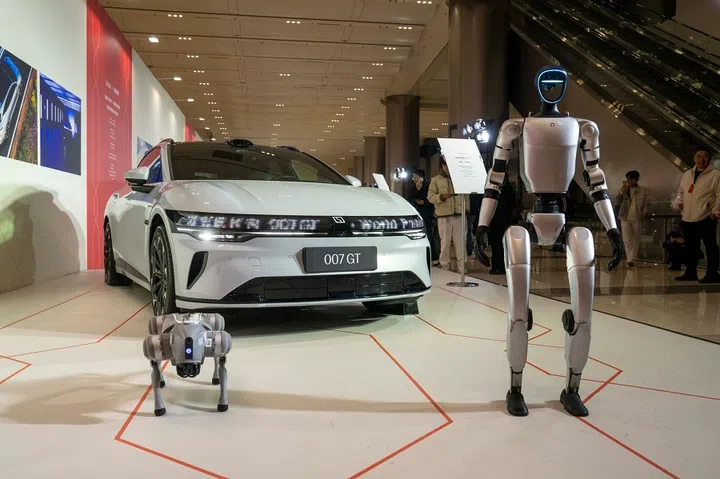
A New Paradigm in Automation
Humanoid robots are rapidly progressing beyond science fiction, positioning themselves as crucial players in numerous sectors. Capable of completing tasks that range from mundane household chores to intricate industrial processes, these robots are poised to become indispensable assets in the workforce. The partnership between Huawei, a leading telecommunications giant, and UBTech, a pioneer in robotics, illustrates the growing demand for automation and artificial intelligence (AI) in our lives.
The robots will not only help with labor-intensive tasks but will also learn and adapt to their environments. Imagine a robot assisting you with meal prep, managing your calendar, or even performing quality control checks in a factory setting. This is not merely about convenience; it’s about enhancing the quality of life through innovative technology.
The Implications of Humanoid Robots
With the introduction of humanoid robots, we can anticipate a major cultural shift in how we perceive work and home life. As technology permeates our daily routines, the boundaries between human and robot assistance blur. As per recent statistics, automation can potentially increase productivity by up to 40% in certain sectors, dramatically reshaping employment landscapes.
“The future of work will be less about displacement and more about collaboration with advanced technologies,” explained a spokesperson for UBTech. This sentiment echoes the views of industry experts who argue that while some jobs may be at risk, many new opportunities will emerge as technology evolves.
Coexisting with Intelligent Machines
As we embrace these advancements, important questions arise regarding our relationship with intelligent machines. How will workers adapt to this new landscape? What ethical considerations should we take into account as we integrate humanoid robots into our lives? The answers remain open for discussion, but one thing is clear: the coexistence of humans and machines will require a balanced approach.
The integration of humanoid robots also raises discussions around social interaction. For example, how will families adapt to having robots in their homes? Will these machines become companions, or will they remain tools? The emotional implications of having humanoid robots assist in personal and professional spaces are yet to be fully understood.
What This Means for the Future
As we navigate through these technological advancements, the implications extend beyond mere productivity. The potential for humanoid robots to enhance our quality of life is significant. They can help manage our busy schedules, assist with childcare, and even provide companionship for the elderly.

However, as the market for humanoid robots continues to grow, it will be vital for society to establish regulations and ethical guidelines concerning their use. Policymakers and technologists must collaborate to ensure that these machines serve humanity positively and equitably.
In conclusion, the collaboration between Huawei and UBTech signals a pivotal moment in technology. Humanoid robots are not just a futuristic fantasy; they are quickly becoming a tangible reality that stands to transform our lives. As we embrace this change, it's crucial to remain vigilant about the potential consequences and to engage in meaningful discussions about our future with intelligent machines.
Stay tuned for more updates on this exciting trend in technology, and as we venture into this new era, let’s embrace the possibilities while being mindful of the challenges ahead!
For more insights, you can refer to South China Morning Post.