/wion/media/post_attachments/files/2024/10/04/458329-free-delivery-5.png)
Pashtun Preacher's Bold Statement Goes Viral: Support for India in Case of Conflict
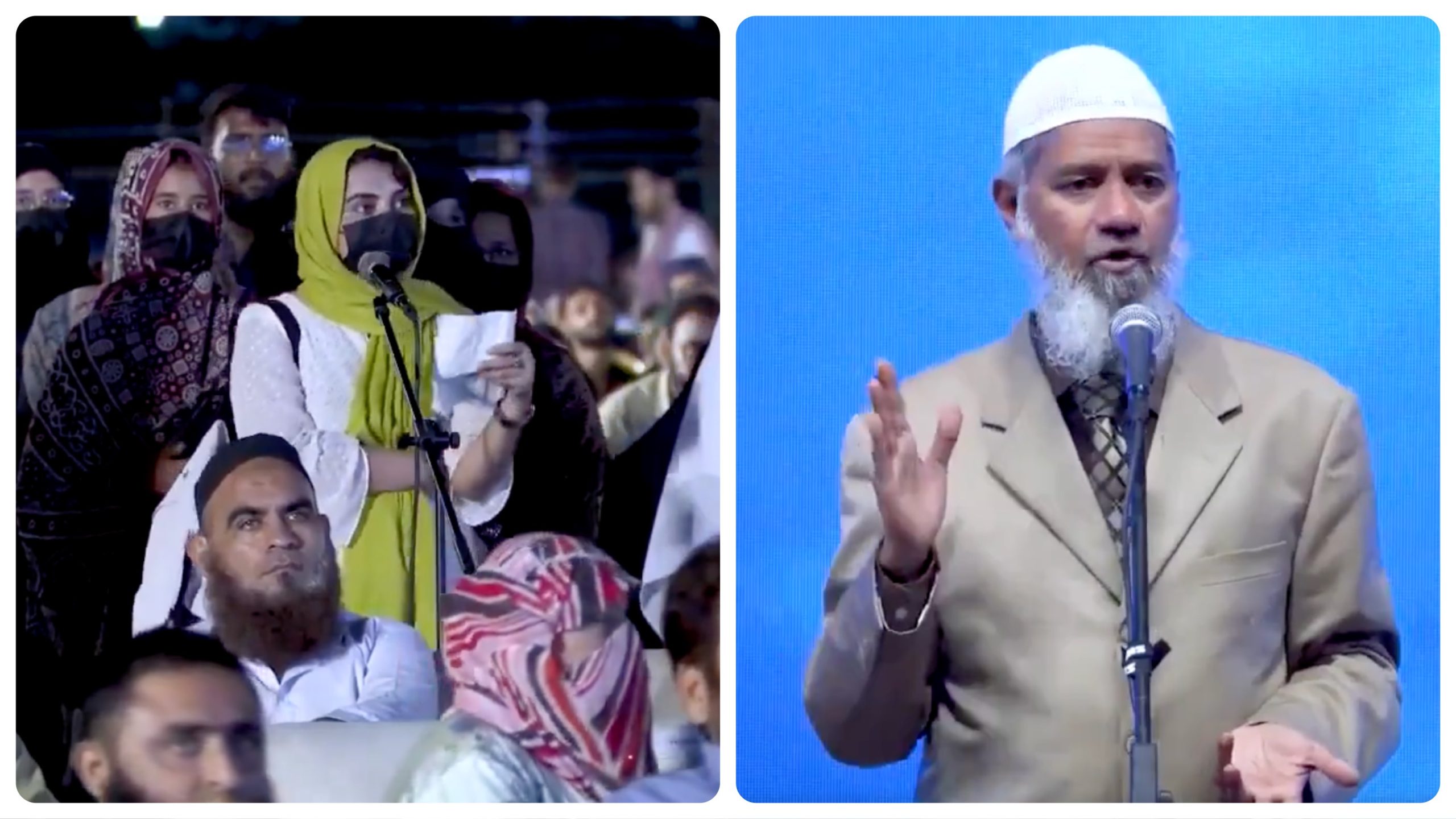
A shocking video featuring a Pakistani Islamic preacher has sparked intense discussions across social media platforms, capturing the attention of netizens worldwide. In the clip, the preacher boldly claims that the Pashtun community would support the Indian Army in the event of a conflict with Pakistan. This statement comes on the heels of heightened tensions following a recent terror attack in Pahalgam, a popular tourist destination in Jammu and Kashmir.

The preacher's remarks reflect a significant level of discontent within the Pashtun community towards Pakistan's military establishment. Many in the community cite historical grievances, neglect, and perceived injustices as reasons for their growing frustration. As the video gained traction, it ignited a debate about national identity, loyalty, and the complex relationship between Pakistan and India, two countries with a long history of conflict.
The Community's Voice
While the preacher's comments have drawn both shock and support from viewers, they also underscore a broader sentiment among many Pashtuns. Numerous social media users took to platforms like Twitter and TikTok to express their views. Some voiced agreement with the preacher, highlighting their perceived disenfranchisement under the Pakistani military rule. Others, however, condemned the statement, calling it dangerously provocative.
In a statement to the media, a Pashtun activist from Khyber Pakhtunkhwa, who wished to remain anonymous, shared, “This preacher's words resonate with many of us. We feel abandoned by our own government, and some are even questioning what it means to be Pakistani when our own needs are overlooked.”
Historical Context
The history of Pashtun grievances against the Pakistani military is complex. The Pashtuns, an ethnic group primarily located in Pakistan and Afghanistan, have faced decades of military operations in the name of counter-terrorism. Many feel that their communities have suffered due to military actions and government neglect, leading to a pervasive sense of alienation from the state.
This sentiment has been further exacerbated by incidents such as the ongoing conflict in Afghanistan, where the fallout has often spilled over into Pakistan, affecting Pashtun regions disproportionately. Many in the community believe their concerns and rights have been sidelined in favor of national security narratives.
Social Media's Role
The viral nature of the preacher's video has highlighted how social media platforms serve as a crucial arena for marginalized communities to voice their opinions. In a landscape where traditional media might overlook such statements, platforms like TikTok, Twitter, and Instagram allow individuals to amplify their messages.
As the preacher's video circulated, the hashtag #PashtunVoices gained traction, garnering thousands of mentions. This digital conversation has turned into a collective expression of discontent among Pashtuns, igniting discussions about identity and allegiance in a time of political strife.
Implications for Pakistan-India Relations
The impact of this viral video extends beyond just the Pashtun community; it poses significant questions about the future of Pakistan-India relations. The prospect of a segment of the Pakistani population expressing solidarity with the Indian Army is unprecedented and could alter the dynamics of the already tense situation surrounding Kashmir and other border disputes.
Political analysts fear that such statements might incite further divisions within Pakistan, as well as exacerbate tensions between the two nations. “This might be the wake-up call that Pakistani authorities need to engage with its disenfranchised communities more effectively,” explained political scientist Dr. Aisha Khan. “Ignoring these sentiments can lead to long-term instability.”
Public Reactions and Future Developments
As the discussions surrounding the preacher's statement continue to unfold, both supportive and opposing voices are coming to the forefront. Supporters argue that the Pashtun community is simply voicing their rights and frustrations, while critics warn of the dangers of aligning with perceived adversaries.
In the days following the video's release, spontaneous protests have emerged in various Pashtun-majority areas, demanding greater autonomy and acknowledgment of their rights. Young activists have also called for a more organized movement to address the historical grievances against the military establishment.
/wion/media/post_attachments/screenshot/0505_ARJUN_UNSC_12PM/00000002.jpg)
As the situation evolves, one thing remains clear: the voice of the Pashtun community is becoming increasingly difficult for both Pakistani authorities and international observers to ignore. How this will impact the precarious relationship between India and Pakistan, as well as the internal dynamics within Pakistan, remains to be seen.
Conclusion
The viral video of the Pashtun preacher has illuminated the underlying tensions between the Pashtun community and the Pakistani military, as well as the community's complex relationship with Pakistan and India. Social media continues to be a powerful tool for marginalized voices, allowing for the amplification of sentiments that challenge traditional narratives.
As the world watches, the implications of this statement could resonate beyond mere discourse, potentially influencing political movements and altering the fabric of regional relationships for years to come.
For those interested, you can view the viral video here.