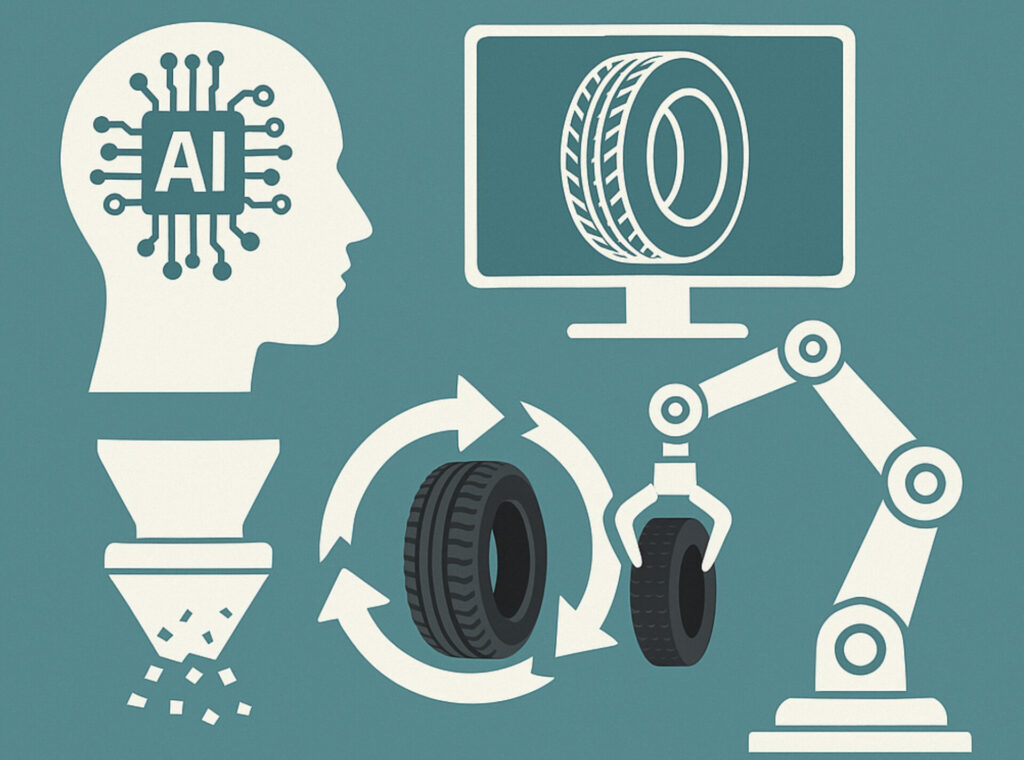
AI Robots Get Emotional! Cobots, Swarms & Immersive XR - 2025 Tech Gossip You Need to Hear
As the digital world spins into May 2025, the tech landscape is buzzing with innovations that seem straight out of science fiction. From robots with emotional intelligence to collaborative bots (or "cobots") that work side-by-side with humans, the advancements in AI and robotics are reshaping industries like never before. With these developments, the question isn't just what technology can do, but how it can enhance human experience and efficiency.

Tomorrow's Tech Today: AI, Robotics and Digital Innovation Shaping 2025
The integration of artificial intelligence into robotics continues to accelerate, marking 2025 as a pivotal year for technology. According to reports from Bain & Company, AI-powered robotics can now boost productivity by 30% to 50%, making them a central focus for 75% of industry executives in their research and development strategies. This is not just about automating tasks; it's about enhancing human capabilities and creating safer, more efficient workplaces.
At the forefront of these innovations are collaborative robots, or cobots, which have become increasingly popular in manufacturing and logistics. Designed to work alongside humans, these machines come equipped with advanced safety features and intuitive controls that allow for seamless integration into various workflows. The National Institute of Standards and Technology (NIST) has highlighted that the rise of cobots is set to redefine job roles, alleviating the burden of repetitive tasks while allowing humans to focus on more complex challenges.
Recent showcases, like the Consumer Electronics Show 2025, demonstrated robots with emotional intelligence capabilities, which could revolutionize human-robot interactions. Imagine a robot capable of reading the emotional cues of a worker and adapting its assistance accordingly—this marks the dawn of a new era in human-machine collaboration.
Swarming Intelligence and Soft Robotics
Further innovations include developments in swarm robotics, which leverage the collective abilities of multiple robots to achieve complex tasks that individual machines cannot handle alone. This technology is not only applicable to manufacturing but is also being explored for use in healthcare and even space exploration. Swarm robotics can optimize logistics by coordinating movements and actions to deliver enhanced performance in challenging environments.
Soft robotics, which refers to robots made from flexible materials, is another exciting frontier. These robots can navigate through delicate environments, adapting to various shapes and surfaces, making them ideal for applications in healthcare, such as surgery assistance or patient care.
Sustainability in Robotics
As the tech world pivots toward sustainability, energy-efficient designs in robotics are gaining traction. These innovations not only address concerns about power consumption but also align with broader industry shifts towards environmentally responsible technology. The emphasis on sustainable practices is transforming how robots are designed and deployed, ensuring that they contribute positively to the environment.
Immersive Extended Reality (XR): A New Frontier for Training
Looking ahead, the convergence of AI, robotics, and extended reality (XR) technologies promises to create immersive training experiences across various industries. XR can simulate real-world environments, providing workers with hands-on experience in managing advanced robotic systems before they step into operational roles. This approach not only improves workforce readiness but also ensures that human operators can effectively collaborate with robotic counterparts.
Cybersecurity in the Age of AI
While these advancements present tremendous opportunities, they also come with challenges—particularly in cybersecurity. As AI systems become more integrated into business operations, the potential for malicious attacks grows. Organizations must prioritize robust cybersecurity measures to protect sensitive data and maintain operational integrity. As stated by cybersecurity experts, implementing AI for security purposes requires careful planning to avoid unintended vulnerabilities.
Conclusion: Embrace the Change
For businesses and individuals alike, the key takeaway is clear: embracing AI and robotics is no longer optional; it’s essential for maintaining competitiveness in a rapidly evolving marketplace. As technology continues to reshape our reality, organizations must focus on integrating these innovations while addressing ethical considerations surrounding their deployment.
The future is brimming with possibilities, and as we dive deeper into the world of AI and robotics, the most successful adopters will be those who balance technological innovation with ethical considerations and practical applications. Stay tuned for more updates as we continue to explore the exciting world of technology in 2025!
For more details, visit Quiet Please.

This article encapsulates the trends shaping the future of AI and robotics, highlighting the balance of innovation, ethical responsibility, and sustainability that we must strive for in this brave new world.