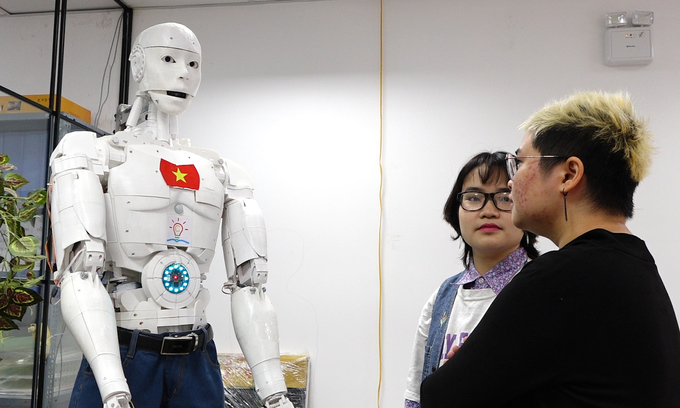
Alibaba Unveils Qwen3: The Game-Changer in AI
In a bold move that sets the stage for a new era in artificial intelligence, Alibaba has launched Qwen3, heralded as China's first hybrid reasoning AI model. This innovative technology blends advanced reasoning with machine learning, positioning Alibaba at the forefront of AI development in China. As the tech race heats up, especially against the backdrop of U.S. advancements, Qwen3 aims to narrow the technological gap between the two superpowers and redefine industries from e-commerce to smart city solutions.

What is Qwen3?
Qwen3 is not just another AI model; it represents a significant leap in how artificial intelligence can be utilized across various sectors. By integrating reasoning capabilities with machine learning, Qwen3 can analyze data and make decisions in real-time, simulating human-like understanding and response patterns. This hybrid approach allows for enhanced functionality in applications such as personalized shopping experiences, automated customer service, and scalable smart city infrastructure.
According to Alibaba's Chief Technology Officer, Dr. Yungeng Lu, “Qwen3 showcases our commitment to leading AI innovation. We believe this model will significantly enhance operational efficiencies and deliver unprecedented user experiences.” The company has invested heavily in research and development, positioning itself as a pivotal player in the global AI landscape.
The Broader Implications of Qwen3
The launch of Qwen3 is part of a broader trend where Chinese tech companies are ramping up their AI efforts to compete on the global stage. With significant investments pouring into AI research, Alibaba is not alone in this endeavor; competitors like Baidu and Tencent are also enhancing their AI capabilities.
A Race for Technological Supremacy
This technological race has implications beyond just corporate competition. It reflects a national strategy to bolster China's position in the global economy through innovation. Analysts suggest that advancements like Qwen3 could lead to economic growth by improving productivity across various industries.
A report from McKinsey estimates that AI could contribute as much as $13 trillion to the global economy by 2030, and companies that effectively integrate AI into their operations will be at the forefront of this transformation. This sentiment is echoed by Dr. Xiaotong Wang, an AI researcher at Tsinghua University, who stated, "Qwen3 could drive significant advancements in sectors such as healthcare and finance, ultimately enhancing China's global competitiveness."
Applications Across Various Sectors
The versatility of Qwen3 allows it to be applied in multiple domains. Here are some potential applications:
-
E-Commerce: By leveraging its reasoning capabilities, Qwen3 can analyze consumer behavior patterns, enabling Alibaba's platforms to offer personalized shopping experiences that predict and meet customer needs more effectively.
-
Smart Cities: As urban areas continue to expand, Qwen3 can assist in managing resources and services, from traffic management to energy distribution, enhancing overall city functionality and sustainability.
-
Healthcare: The model's data analysis capabilities can be utilized to optimize healthcare services, from patient management systems to predictive analytics in diagnostics, potentially transforming patient care.
The Competitive Landscape
Alibaba's launch of Qwen3 occurs in the midst of fierce competition in the AI field. The U.S. tech giants, including Google and Microsoft, have made significant strides with their AI models, such as OpenAI's GPT series. The entry of Qwen3 is expected to intensify this competition, pushing all players to innovate faster and more effectively.
Dr. Lei Zhang, a tech industry analyst, notes, “Qwen3 could serve as a catalyst for further advancements in AI, not only within Alibaba but across the entire industry. Its capabilities could inspire a new wave of technologies that redefine user interaction with AI.”
Open Source and Developer Engagement
In a bid to foster innovation and collaboration, Alibaba has made Qwen3 open-source. This strategic decision allows developers and researchers globally to experiment with the model, contributing to its evolution and expanding its use cases across different domains. By engaging the developer community, Alibaba hopes to accelerate the development of applications that leverage Qwen3’s unique capabilities.
Community Response and Future Developments
The tech community's response has been overwhelmingly positive. Developers are eager to experiment with Qwen3, and early feedback indicates a high level of excitement about its potential applications.
Alibaba has expressed intentions to continuously improve and update the Qwen3 model based on community feedback. The company's commitment to transparency and collaboration may lead to a thriving ecosystem of AI solutions that address diverse needs.
Conclusion
With the unveiling of Qwen3, Alibaba is not just launching a new AI model; it's signaling its ambition to lead the charge in the global AI race. As Qwen3 begins to make its mark across various sectors, its impact could be profound—not just for Alibaba, but for the entire landscape of technology and innovation in China. As the competition heats up, the world will be watching closely to see how Qwen3 influences the future of AI and technology.
For further insights into the evolving tech landscape, you can read more on TechNode.