
The Rise of Digital Wallets: Hong Kong's Shift to Cashless Transactions
In a bustling corner of Hong Kong, where neon lights flicker and the streets vibrate with the sounds of commerce, a financial revolution is quietly unfolding. As the city's residents increasingly embrace the convenience of digital wallets, traditional cash and credit cards are facing obsolescence. A recent report by Worldpay indicates that by 2030, digital wallets are projected to account for nearly half of all transactions in this vibrant metropolis, signaling a seismic shift in consumer behavior and payment technology.
The transition to cashless transactions is primarily driven by a surge in smartphone penetration and the demand for seamless payment solutions. As of April 2025, a staggering 95% of Hong Kong residents own a smartphone, according to statistics from the Hong Kong Communications Authority. This high rate of smartphone ownership, combined with the robust infrastructure of mobile networks, has set the perfect stage for the adoption of mobile payment technologies.
The Digital Wallet Takeover
According to the 2025 Global Payments Report from Worldpay, digital wallets are expected to represent 45% of online transaction value and 48% of point-of-sale (POS) transactions in physical stores within the next five years. Daniel So, the Hong Kong Manager at Worldpay, highlights that this trend reflects an inevitable integration of payment technologies into everyday life.
"We see downtrends in credit card usage compared to the growing adoption of digital wallets," So stated, illustrating a pivot in consumer preferences.

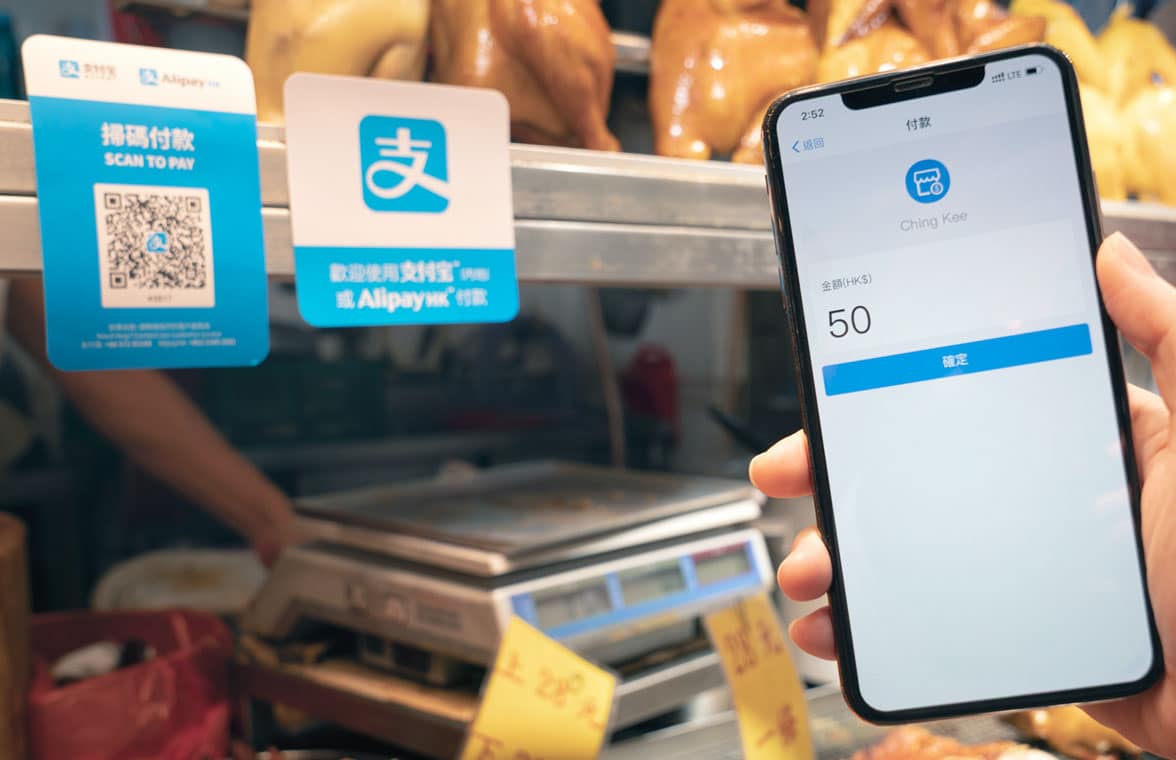
Digital wallets are more than just a convenience; they embody a lifestyle shift towards efficiency and speed in financial transactions. Wallets like AlipayHK, WeChat Pay, and Apple Pay are not only facilitating payments but are also fostering a cashless ecosystem that includes rewards programs, loyalty points, and financial management tools. This shift is not merely a trend; it is indicative of a broader transformation in how consumers interact with their finances.
The Demise of Cash and Credit Cards
Historically, cash was king in Hong Kong. However, as the landscape of commerce continues to evolve, fewer people are reaching for their wallets to pull out cash or cards. The rise of contactless payment systems and e-commerce platforms has made digital wallets the preferred choice for many consumers.
A survey conducted by the Hong Kong Retail Management Association found that approximately 70% of retailers noted a significant increase in customers opting for digital wallet payments over cash or credit cards. This behavior has been further accelerated by the COVID-19 pandemic, which heightened awareness around hygiene and contactless interactions.

What Lies Ahead
As we approach 2030, the future of payments in Hong Kong looks increasingly digital. Companies are investing heavily in technology to keep pace with changing consumer needs. According to a report by Statista, mobile payments in Hong Kong are projected to reach $1.6 trillion by 2030. This growth presents both opportunities and challenges for businesses, which must adapt quickly to meet customer expectations.
In response to the growing demand for digital transactions, retailers and service providers are upgrading their payment infrastructure. By integrating digital wallets into their systems, businesses not only streamline their operations but also enhance customer satisfaction.
"It's essential for businesses to remain competitive by embracing these technologies," says So. "The integration of payment technologies will shape the future of commerce."
The Role of Government and Regulators
The Hong Kong government is also playing a pivotal role in this transition to a cashless society. Initiatives such as the Smart City Blueprint aim to encourage digital innovation and enhance the overall efficiency of public services. Furthermore, the government has provided support for fintech startups, creating an environment ripe for innovation.
Recent collaborations between the government and financial institutions, such as the Hong Kong Monetary Authority’s Faster Payment System, have made it easier for consumers to conduct transactions across various platforms. These collaborative efforts are expected to bolster public trust in digital payment systems and accelerate the shift away from cash.
Conclusion
As Hong Kong marches toward a future dominated by digital wallets, the implications for consumers, businesses, and the economy are profound. The transition to cashless transactions is not just about convenience; it represents a fundamental shift in how financial interactions occur. With projections indicating that digital wallets will overtake credit cards in the next few years, the landscape of commerce in Hong Kong will continue to evolve rapidly.
The convergence of technology, consumer behavior, and supportive regulatory frameworks will shape Hong Kong's future as a leading cashless society. As this evolution unfolds, stakeholders must remain agile and innovative to thrive in an increasingly digital world.
For more in-depth analysis, check out the original report from the South China Morning Post here.