The Pixel Art Revolution: Why Retro Aesthetics Are Taking Over Gaming
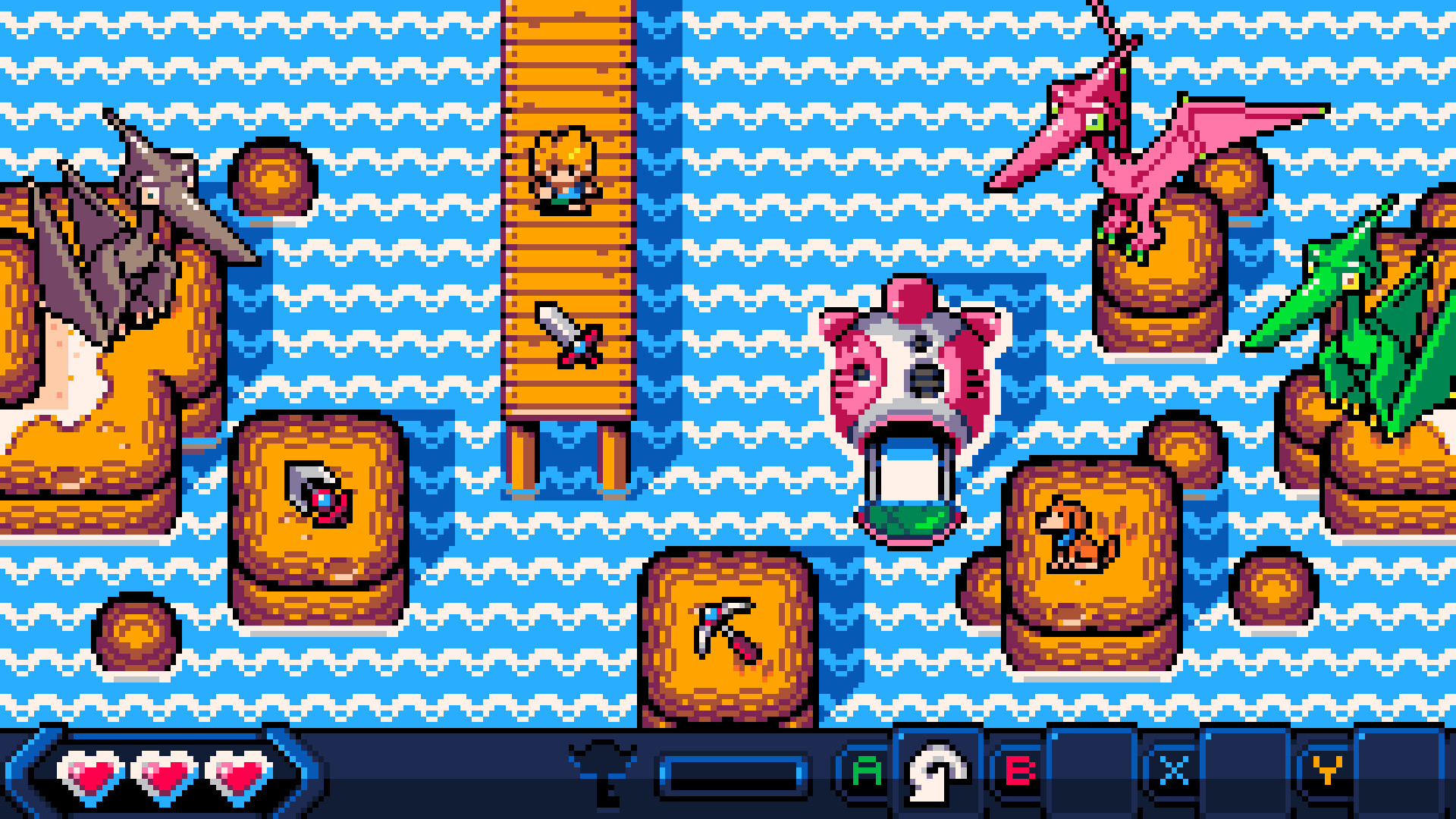
Hey gamers! Have you noticed the resurgence of pixel art in the gaming scene? It’s not just a trend; it’s a full-blown revolution! 🎮✨ From indie gems to major titles, pixel art is transforming the way we experience games, blending nostalgia with creativity in a vibrant, pixelated landscape.

Nostalgia Meets Innovation
Pixel art games are capturing hearts and minds, and it’s easy to see why. For many of us, these graphics evoke a sense of nostalgia, reminding us of the classic games we grew up with. Titles like Super Mario Bros. and The Legend of Zelda are charming reminders of simpler times when gameplay was king, and graphics were about creativity rather than realism.
However, nostalgia is just the beginning. Developers are using pixel art to tell compelling stories without needing high-end graphics, proving that a game’s value lies in its narrative and mechanics rather than its visual fidelity. Indie games such as Celeste and Stardew Valley have shown that pixel art can convey deep emotional experiences, often resonating more profoundly with players than their graphically superior counterparts.
Accessibility for Developers
Creating a pixel art game is often more accessible for indie developers. With fewer resources required for graphics, they can focus on what really matters: gameplay and storytelling. According to GamesRadar, the rise of pixel art has democratized game development, enabling more creators to enter the industry and share their unique visions.
This accessibility has led to a boom in creativity, with unique narratives and innovative mechanics emerging from the pixelated world. The ease of producing pixel art allows developers to experiment with game mechanics and storytelling techniques without the burden of high production costs. Games like Hyper Light Drifter and Dead Cells exemplify how pixel art can complement dynamic gameplay.

Community and Collaboration
The pixel art community is thriving! Developers are collaborating, sharing techniques, and pushing the boundaries of what can be achieved with this art style. It’s a vibrant ecosystem where creativity flourishes, and players are treated to a diverse array of games that blend nostalgia with modern gameplay.
Online platforms such as Twitter and Reddit are filled with discussions about pixel art techniques, tools, and style guides. Communities like GameMaker allow budding developers to share their work and receive feedback, fostering an environment of growth and collaboration. The pixel art scene thrives on collaboration; developers often share assets, sprites, and animations, allowing for a rich and diverse pool of games that celebrate this unique art form.
What’s Next?
As we look to the future, it’s clear that pixel art is here to stay. The ongoing growth of retro-inspired games reflects a broader cultural shift, where players seek meaningful connections with their gaming experiences. With each new release, pixel art continues to attract a loyal player base, showing that aesthetics can be both nostalgic and innovative.
Whether you’re a fan of platformers, RPGs, or adventure games, there’s a pixel art title out there for you. Upcoming games like Tunic and The Last Faith are set to further showcase the potential of pixel art in modern gaming, proving that this artistic style isn’t merely a relic of the past but a vibrant medium for future storytelling.

So grab your controller and dive into these colorful worlds that celebrate both the past and the future of gaming! The pixel art revolution isn’t just about visuals; it’s about creativity, community, and the love of games in their most expressive form.
Conclusion
The pixel art revolution is more than just a retro trend—it's a revitalization of creative potential in gaming. By combining nostalgia with innovation, pixel art games not only pay homage to the classics but also pave the way for future developers to express their unique visions. As we continue to see the rise of indie titles and collaborations within the community, it’s clear that pixel art will remain a staple in the gaming industry for years to come.
For more on pixel art and indie gaming, check out Gideon's Gaming for insights into the latest trends and discussions.