
Gaming's Newest Trend: The Rise of Play-to-Earn Models
In the fast-paced, ever-evolving landscape of gaming, a new trend is making waves: play-to-earn (P2E) models. Imagine logging into your favorite game not just to unwind after a long day, but to actually earn real money while playing. This revolutionary concept is transforming the gaming experience, attracting both gamers looking for new ways to monetize their skills and investors eager to capitalize on this burgeoning sector. Games like Axie Infinity and Decentraland are at the forefront of this movement, where gamers can trade in-game assets for cryptocurrency, effectively turning what was once pure entertainment into a lucrative source of income.

The Mechanics Behind Play-to-Earn
At its core, the play-to-earn model revolves around blockchain technology and cryptocurrency. Players engage in gameplay and can earn tokens that represent real-world value. These tokens can be traded on cryptocurrency exchanges, giving players a chance to cash out their earnings. According to a report from GameSpot, the P2E ecosystem is projected to grow significantly, with the potential to shape the future of gaming monetization strategies.
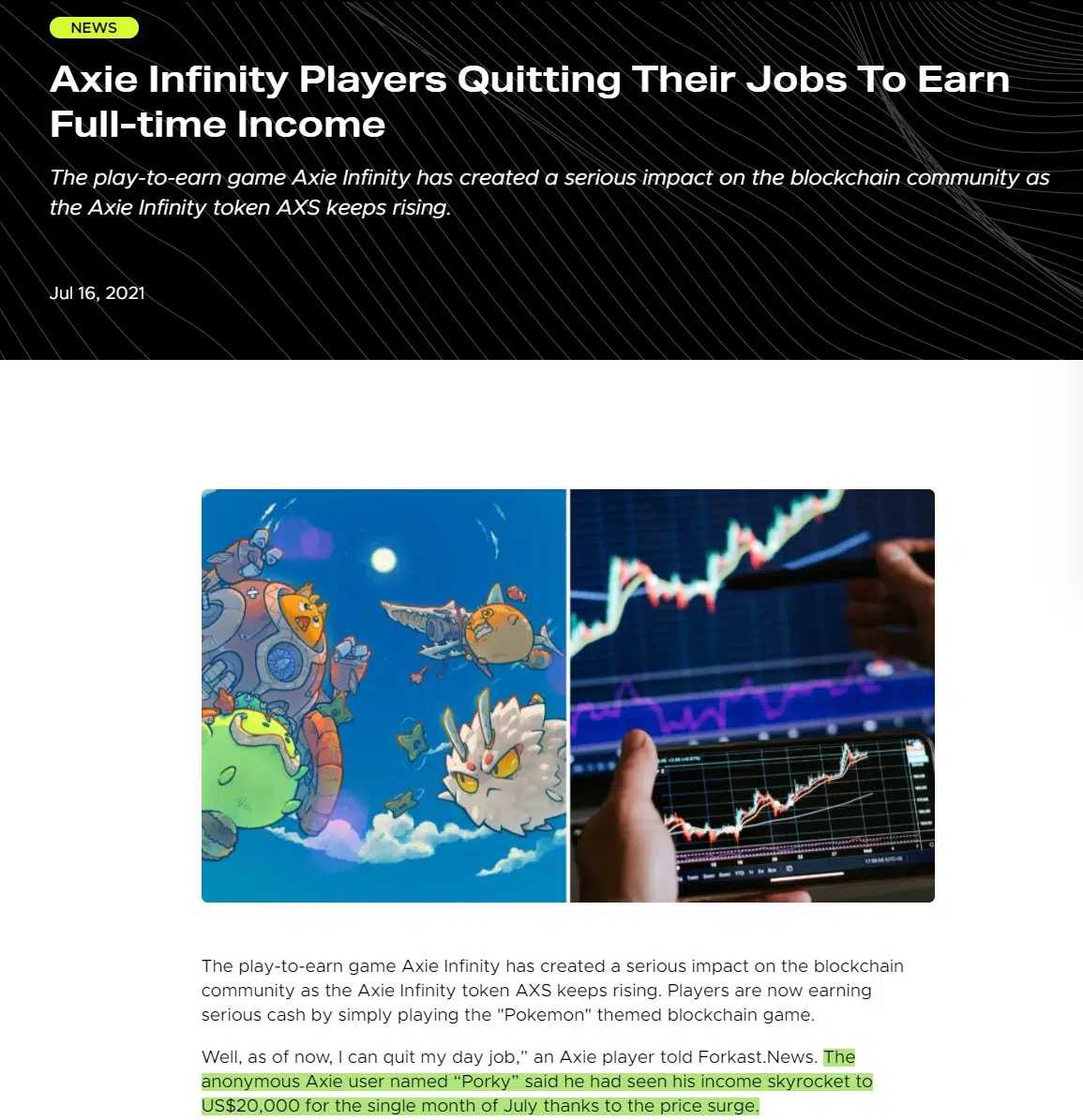
One of the most notable examples, Axie Infinity, allows players to breed, battle, and trade fantasy creatures known as Axies, using Ethereum-based tokens. Players can earn tokens through gameplay, which can then be converted into cash. The game's tremendous success is reflected in its player base, which surged to over 2 million daily active users in 2021 alone, highlighting the viability of P2E models.
Similarly, Decentraland operates as a decentralized virtual reality platform where players can purchase, develop, and sell virtual real estate using its native cryptocurrency, MANA. Players can create unique experiences and monetize them, effectively turning gaming into an entrepreneurial venture.
The Appeal and Criticism of P2E
While the play-to-earn model offers exciting opportunities, it’s not without its criticisms. Advocates of traditional gaming argue that this new approach commodifies the very essence of gaming. IGN highlights concerns that players might prioritize earning potential over enjoyment, leading to a decline in the quality of gaming experiences. "When money becomes the primary motivator, it can overshadow the joy of playing," said gaming analyst, Lisa Marie Segarra.
Moreover, the volatility of cryptocurrencies adds another layer of risk. Players can spend hours grinding for in-game rewards only to see the value of those rewards fluctuate drastically. A report from Polygon emphasizes that while some players have made significant profits, others have lost substantial amounts as crypto markets experience swings.
Demographic Shifts and Economic Implications
Interestingly, the play-to-earn phenomenon is attracting a diverse audience, including people from regions where traditional job opportunities are limited. Many players in countries like the Philippines and Venezuela have turned to P2E games as a means of supporting their families. This shift has economic implications as it opens new financial avenues for those often excluded from global markets.
The growing interest in play-to-earn models has also piqued the attention of investors. Major companies, including gaming giants and venture capitalists, are pouring funds into blockchain-based games, hoping to capitalize on this trend. According to a report by IGN, investments in blockchain gaming projects reached over $4 billion in 2021, signaling that the industry views P2E as more than just a fad.
The Future of Gaming Monetization
As the play-to-earn trend continues to gain traction, game developers are exploring creative ways to implement this model. The traditional payment structures in gaming, often reliant on upfront purchases or microtransactions, are being disrupted. Developers are now incentivized to create engaging gameplay experiences that foster player retention and encourage earning.
"With the rise of P2E, we’re likely to see a blending of entertainment and economic opportunity," explains gaming economist, Dr. Emily Carter. "This could lead to a more sustainable revenue model that benefits both players and developers."
While the long-term impact of play-to-earn models remains to be seen, one thing is clear: the gaming landscape is changing, and players are now at the forefront of this evolution. Whether you’re a casual gamer or a hardcore enthusiast, the opportunity to earn while you play is an enticing prospect that could redefine the very fabric of gaming culture.
Conclusion: Are You Ready to Play-to-Earn?
As the play-to-earn models continue to evolve, the gaming community is left with a compelling question: Are you ready to dive into a game where your skills can pay off in real cash? With the potential for both entertainment and income, P2E gaming is reshaping the industry and inviting players to reimagine their relationship with video games.
For those looking to explore this frontier, it's essential to approach with caution and stay informed about the risks involved. As we move forward, it will be intriguing to see how the gaming economy adapts and evolves in response to this exciting trend.