The Rise of Humanoid Robots: China's Next Tech Frontier
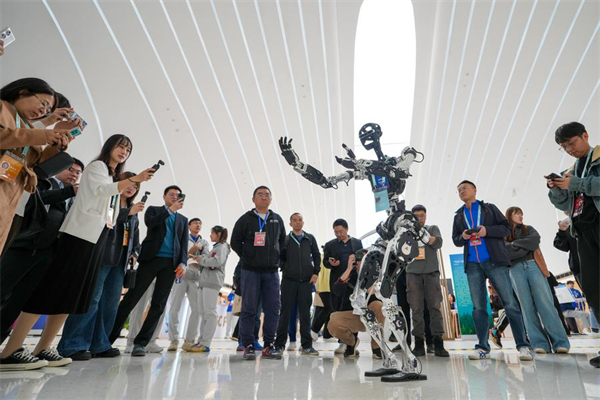
China is on the verge of a robotics revolution, with humanoid robots set to become the next big sensation in technology. Imagine watching a synchronized dance performance featuring lifelike robots against the backdrop of China’s spectacular spring festival gala, a scene that was brought to life by the innovative company Unitree. This dazzling display mirrored the explosive growth seen in the electric vehicle (EV) sector, leading analysts to speculate that humanoid robots may soon experience a breakthrough akin to the iPhone moment.
The Humanoid Robot Landscape
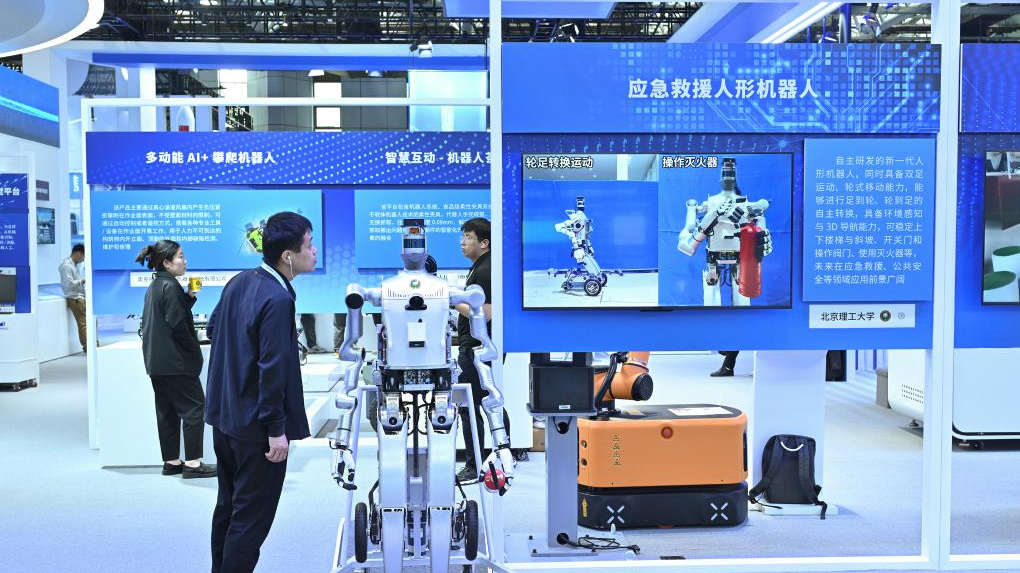
The emergence of humanoid robots in China is supported by several critical factors: decreasing component costs, rapid advancements in artificial intelligence (AI), and significant backing from the government. The Ministry of Industry and Information Technology has outlined ambitious plans for the robotics sector, including the establishment of a massive $137 billion state-led venture capital fund aimed at accelerating innovation.
Chinese companies like Unitree have become front-runners in this field, showcasing their robots not just as functional machines but as engaging performers. These humanoids are not just limited to entertainment; they are being designed for myriad applications, ranging from industrial automation to healthcare services. This dual-purpose design is essential as the industry seeks to merge robotics with everyday life, just as smartphones did a decade ago.
Why China Holds the Key
While the United States has historically held the upper hand in software innovation, China boasts robust hardware production capabilities and well-established supply chains. This combination provides China with a distinct advantage in the humanoid robotics market. Industry experts, including analysts at investment banks, predict that as these robots become more integrated into various sectors, they could redefine how humans interact with technology in daily life.
“China is very good at hardware, but [on] innovation and software, the U.S. still has an advantage,” explains Johnson Wan, an industrial analyst at Jefferies investment bank. However, the potential for low-cost hardware is opening doors to experimentation and innovation that were once confined to specialized laboratories and startups.

Government Support and Investment
The Chinese government’s involvement in the robotics sector underscores a commitment to technological leadership on a global scale. The recent governmental initiatives include financial incentives tailored to overcome key technological hurdles. Furthermore, the establishment of venture capital funds not only boosts startups like Unitree but also signals to global investors that China is serious about making humanoid robots a cornerstone of its technological prowess.
As these robots advance, they may not only serve as tools but also as companions. The emotional and social dimensions of humanoid robots are garnering interest around the world, pushing companies to consider how these robots will integrate into human environments. The cultural perception of robots as friendly companions—as seen in popular media—also plays a significant role in this acceptance.
Challenges Ahead
Despite the promising outlook, the road to widespread adoption of humanoid robots is not without its challenges. Technical complexities in programming and controlling these robots are significant. For instance, it currently takes about ten days to get a robot like Unitree’s G1 to navigate independently using its onboard sensors. Such technical hurdles make some experts skeptical about the commercialization path for humanoids.
Additionally, there are growing concerns surrounding the rapid pace at which this technology is expanding. Critics have pointed out that rushing the deployment of such advanced robotics could lead to unforeseen issues, particularly regarding safety and ethical concerns. In the rush to innovate, adequate testing and safeguards may be overlooked, risking public perception and acceptance.
The Bigger Picture
The burgeoning humanoid robot sector in China is not just a national trend; it is indicative of a larger global movement toward robotics and AI integration. As these robots become more prevalent, they could transform various industries, from manufacturing to healthcare, much like electric vehicles have begun to reshape the automotive landscape.
The potential for humanoid robots to serve varied roles—be it in factories, hospitals, or at home—presents a vision of a future where humans and robots coexist in complementary roles. This evolution raises important questions about the future of work, the ethical implications of robotics, and how society will adapt to these changes.

Key Takeaways
- Technological Momentum: Humanoid robots are gaining traction in China, driven by significant investments and innovations.
- Investment Opportunities: The sector is expected to mirror the rapid growth seen in electric vehicles, with the potential for widespread adoption in the next few years.
- Strategic Advantages: China’s focus on hardware, coupled with government support, places it at a strong competitive advantage in the global tech landscape.
As we look to the future, the evolution of humanoid robots promises to alter the fabric of technology and society in profound ways. The excitement surrounding this sector is palpable, and as advancements continue, we may find ourselves on the brink of an unprecedented technological renaissance.
Stay tuned as we watch this exhilarating development unfold!
