The Viral Hoax: Malaysian Influencers Stage Friend's Disappearance
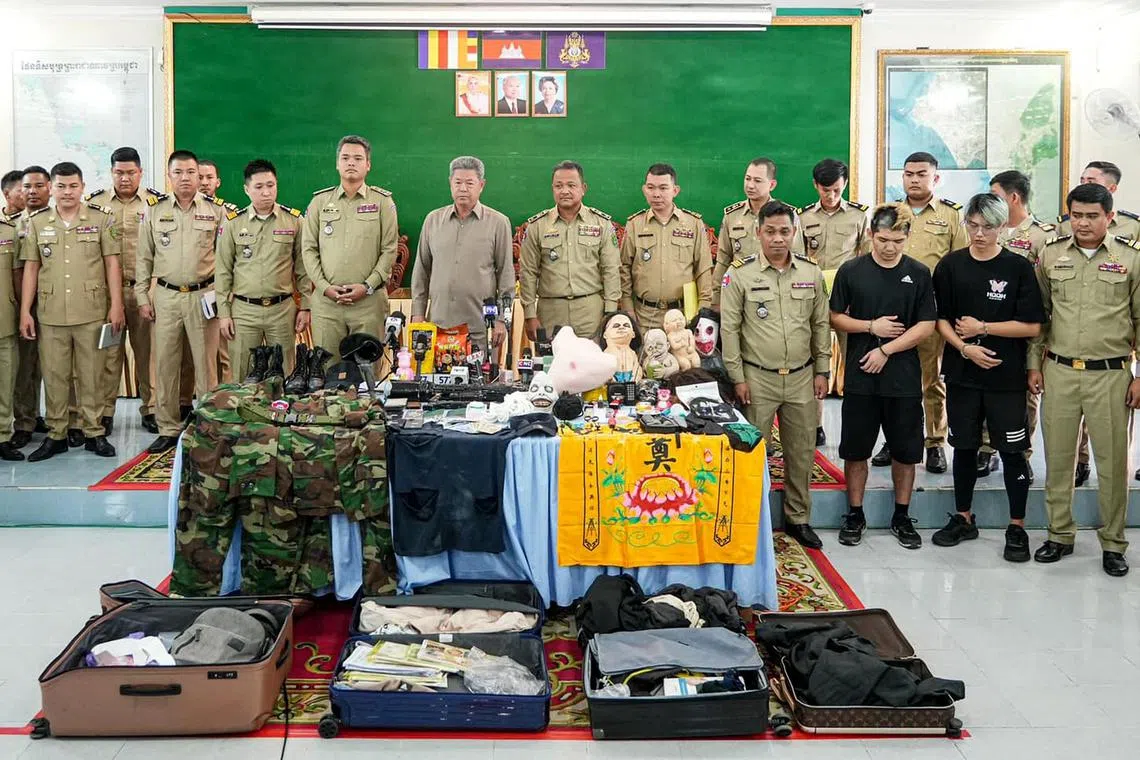
In a shocking twist that has sent ripples through the influencer community, Malaysian content creators Ammar Nazhan and Aras Abdullah have been exposed for staging a friend's disappearance in Indonesia's Bandung forest. The video, which claimed to capture real paranormal activities, quickly went viral, leading many viewers to believe that Nazhan had gone missing. However, local authorities have confirmed that the entire scenario was fabricated, raising serious questions about the lengths to which influencers will go to capture attention and gain followers.

The Controversial Video
Initially shared on TikTok, the video featured a gripping narrative that drew viewers in with its suspenseful storytelling. It depicted Nazhan, known for his paranormal content, and Abdullah navigating through the eerie forest, leading to the dramatic claim of Nazhan's disappearance. With captions that heightened the tension, the video was crafted to evoke fear and intrigue, prompting an outpour of concern from fans and social media users alike.
As the clip gained traction, it quickly circulated beyond TikTok, sparking conversations about authenticity in influencer culture. Viewers expressed sympathy and concern for Nazhan's well-being, which amplified the video’s reach. However, local police in the Panyileukan district soon intervened, revealing the truth behind the hoax.
Authorities Uncover the Hoax
Indonesian authorities wasted no time tracing the origins of the viral video. Police Commissioner Kurnia confirmed that the disappearance of Nazhan was a staged event, orchestrated solely to boost the influencers' follower count. He stated, "This was a clear attempt to mislead the public and manipulate the emotions of social media users for personal gain."
Such actions have prompted outrage among both fans and fellow content creators. Critics have taken to social media to voice their concerns, arguing that such hoaxes not only compromise the integrity of the influencer community but also erode the trust of their audience.
The Fine Line Between Creativity and Deception
This incident shines a spotlight on the growing concerns regarding the ethical responsibilities of influencers. As their platforms expand, the pressure to create viral content can lead some to resort to extreme measures, blurring the line between entertainment and deception. It raises critical questions about authenticity, ethics, and the potential consequences of misleading content in the digital age.
In recent years, the influencer ecosystem has seen a surge in creative yet often controversial content, leading to debates over what constitutes acceptable behavior online. The incident with Nazhan and Abdullah serves as a cautionary tale for aspiring influencers, highlighting the need for transparency and responsibility in content creation.
Impact on Influencer Culture
The fallout from this event extends beyond just the individuals involved. It has ignited discussions about accountability within the influencer community and the impact of false narratives on their followers. Social media users are increasingly aware of the consequences of misinformation, and incidents like these only serve to deepen skepticism toward online personalities.
Critics argue that while creativity in content creation is essential, it must not come at the expense of honesty. "Content creators should be mindful of their influence on the audience's perception of reality," noted social media analyst Isobel Lorna MacDonald. "When misguiding content goes viral, it can have lasting effects on public trust."
Viral Content and Its Consequences
As the story unfolds, the Malaysian influencer community faces the challenge of restoring credibility after this scandal. The incident not only threatens the reputations of Nazhan and Abdullah but also casts a shadow over genuine creators striving to connect with their audience authentically.
With the rise of platforms like TikTok and Instagram, where the race for viral content often overshadows ethical considerations, the need for a culture of accountability is more pressing than ever.
Conclusion
The staged disappearance of Ammar Nazhan and Aras Abdullah serves as a striking reminder of the complexities and responsibilities that come with influence in the digital era. As the influencer landscape continues to evolve, the line between creativity and ethics will be tested. The fallout from this incident may very well lead to discussions around stricter guidelines and accountability measures for content creators, as audiences demand authenticity and integrity in the online space.
For further details, you can read more about the incident from The Sun.