
Donald Trump's 'Death Prediction' in The Simpsons: The Viral Video Explained
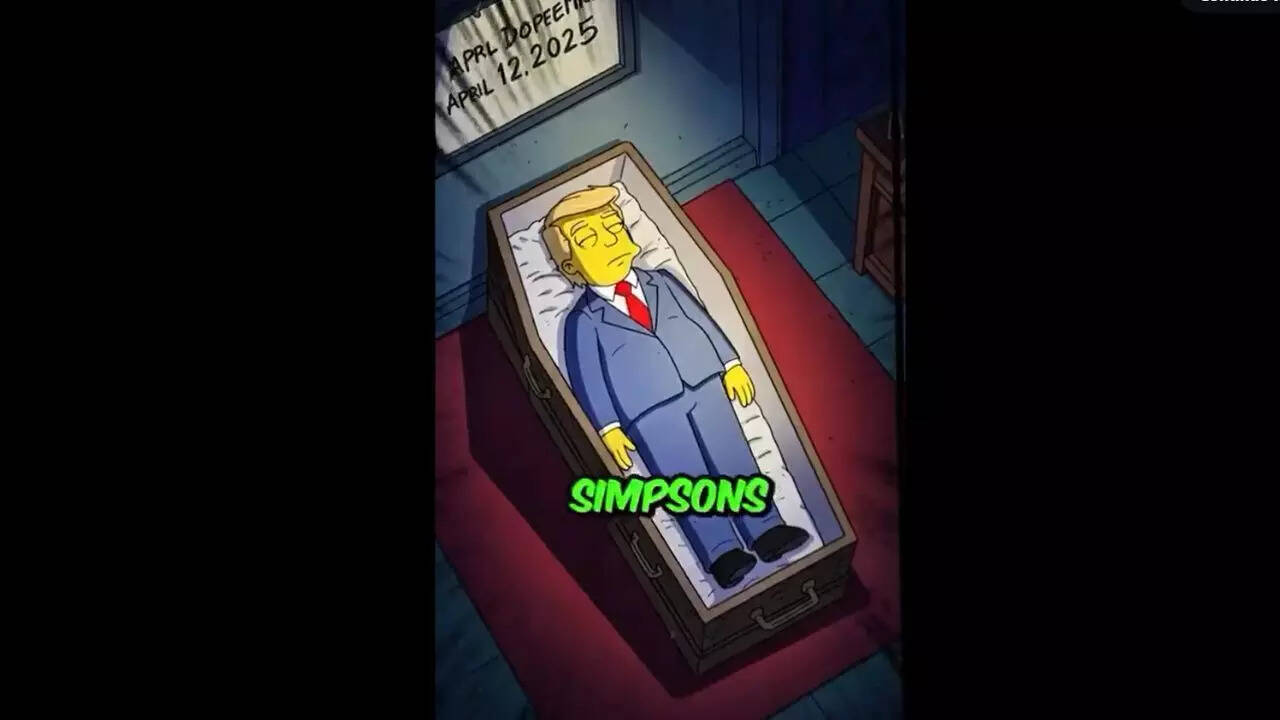
In an age where misinformation spreads like wildfire, a recent video claiming that The Simpsons predicted Donald Trump's death on April 12, 2025, has added fuel to the fire of online conspiracy theories. The clip, which features a coffin that strikingly resembles the former president, quickly went viral on platforms like TikTok and Twitter, generating significant buzz and concern among viewers. However, as executive producer Matt Selman confirmed, this video is nothing more than an AI-generated fabrication, not a clip from the beloved animated series.
The Viral Clip and Its Immediate Impact
The video in question shows a character resembling Trump in a coffin, sparking an array of reactions from viewers who believed it to be authentic content from The Simpsons. This twist of fate for one of the most controversial figures in modern politics quickly caught the attention of social media users, leading to an avalanche of memes, discussions, and some truly alarming misconceptions about the show's prophetic abilities.
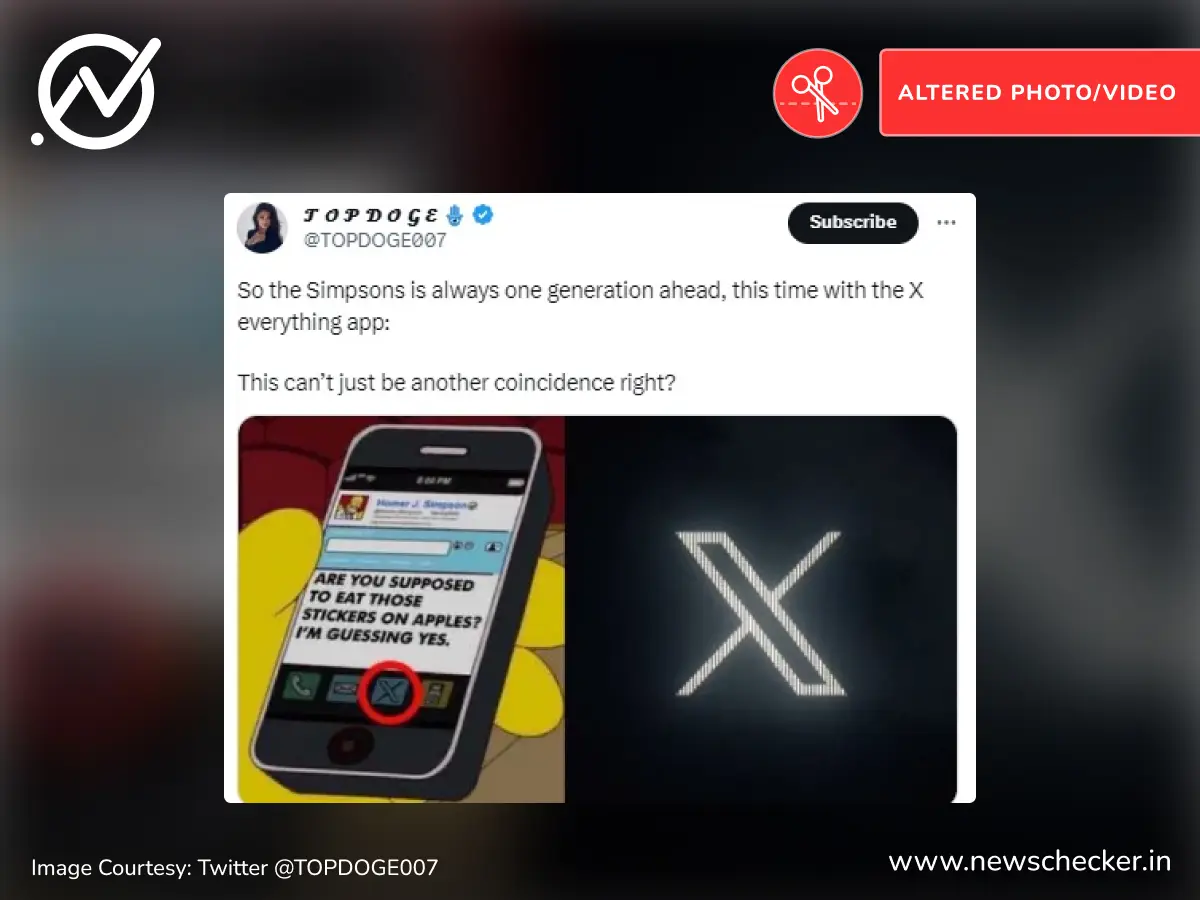
As the clip circulated, commentators highlighted how this incident is not isolated. Since 2017, manipulated clips involving Trump and the show have been making the rounds, amplifying the conversation around the show's supposed predictive powers. With each viral wave, the line between reality and fiction continues to blur—an unsettling reality that resonates with fans and critics alike.
Debunking the Myth
According to Selman, the content is entirely fabricated, generated by AI technology that can mimic the style of The Simpsons. "It’s flattering in a way, but it’s also concerning that people take something so clearly generated as real," he stated. This incident serves as an important reminder of the virality of misinformation and the need for critical thinking when consuming content online.
The use of AI in creating content has skyrocketed in recent years, leading to debates about its ethical implications. Creators are held accountable for verifying the authenticity of their work, and viewers must also take responsibility for what they share and believe. As social media platforms continue to evolve, so too do the tools that manipulate them.
The Role of Social Media in Shaping Narratives
The blending of reality and fiction in this instance raises pressing questions about media literacy and the role of social media in shaping public perception. AI-generated content can easily mislead viewers into believing fabricated narratives, which can lead to panic or misplaced trust. With the growing prevalence of deepfakes and AI technology, the potential for confusion and misinformation is at an all-time high.
In a world where 57% of Americans report encountering fake news, as outlined by a 2023 report from the Pew Research Center, the responsibility lies not just with content creators but also with the consumers who engage with this content. Critical thinking and fact-checking are more crucial than ever as individuals navigate an increasingly complex media landscape.
Historical Context
This isn't the first time The Simpsons has been at the center of such discussions. The show has famously made predictions, including the election of Donald Trump and the rise of various technological advancements. However, the show's creators have long maintained that the humor derived from these predictions is purely coincidental.

The recent viral video incident serves as a stark reminder of how easily entertainment can intersect with real-world events, often leading to confusion and speculation among audiences. The show's satirical nature, combined with the real-life implications of its content, creates an environment ripe for misunderstanding.
Conclusion
As we navigate the rapidly evolving digital landscape, the incident surrounding the AI-generated clip of Donald Trump serves as a case study in the implications of misinformation. The blending of reality and fiction, especially involving public figures, highlights the necessity for vigilance when consuming and sharing online content.
In an era where anything can go viral, understanding the difference between reality and fabrication is paramount. As Matt Selman aptly put it, "It’s flattering, but we must be careful."
Thus, the next time a viral clip from The Simpsons surfaces, remember: it's essential to verify before you amplify.
For more on this topic, you can visit the original source from Times of India.