China's Generative AI Boom: 346 New Services Approved!
In a striking leap toward becoming a global leader in artificial intelligence, China has recently approved 346 generative AI services under a national registration scheme. This initiative is poised to reshape key sectors such as healthcare and education, aiming to enhance operational efficiencies and foster groundbreaking innovations. As the global AI market is projected to soar to $500 billion by 2025, China's aggressive push into generative AI underscores its commitment to not only catch up with but potentially outpace its international counterparts in this tech race.

A Strategic Move
This move comes as part of China's strategic vision to harness the power of AI for economic growth. The approved services are expected to provide significant advancements in fields such as drug development, personalized education tools, and enhanced healthcare solutions. The government has emphasized the importance of ethical standards in implementation, ensuring that the rapid development of these technologies does not compromise societal values or public safety.
“Generative AI has the potential to revolutionize various industries, making processes faster and more efficient,” said Dr. Wei Zhang, a technology analyst at Tsinghua University. “However, it is crucial that we establish robust ethical guidelines to govern its use.”
Impact on Healthcare and Education
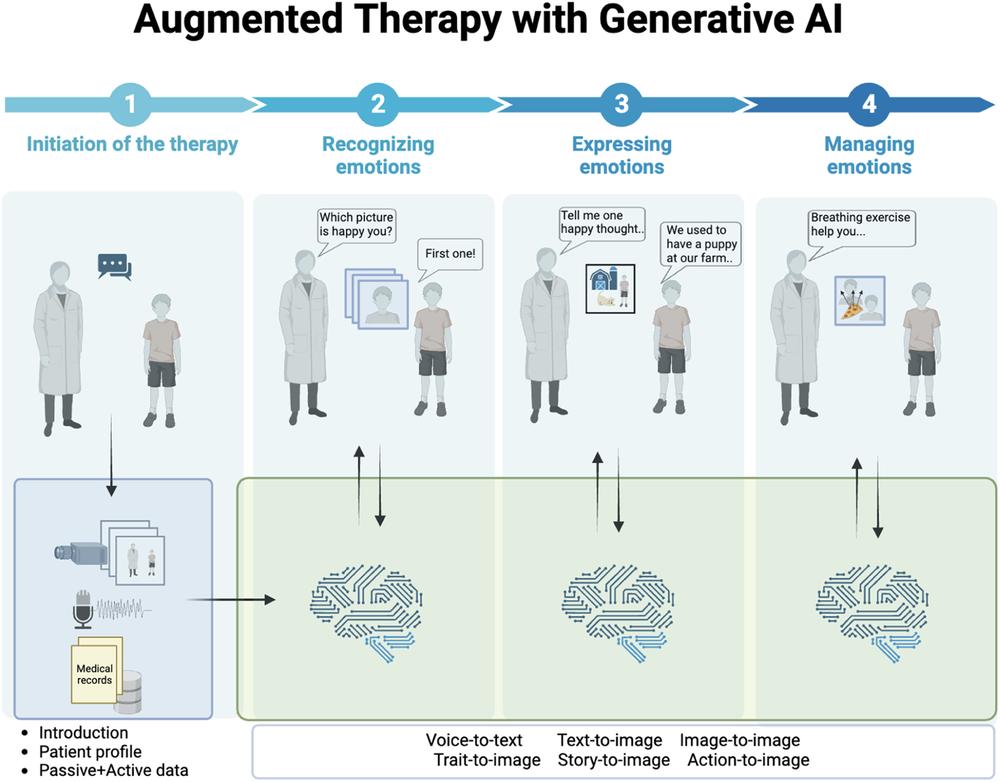
In healthcare, these new generative AI services could lead to improved diagnostics and tailored treatment plans. For instance, AI algorithms can analyze vast amounts of medical data to identify patterns that human practitioners might miss, paving the way for personalized medicine that caters to individual patient needs.
In the realm of education, generative AI tools could transform traditional learning environments by offering customized learning experiences. Students might benefit from AI-powered tutoring systems that adapt to their learning pace and style, making education more accessible and effective.
Ethical Considerations
Despite the promising prospects, the rapid expansion of generative AI also raises ethical concerns. Issues such as data privacy, algorithmic bias, and the potential for misuse of technology are at the forefront of discussions among industry experts and policymakers.
"Balancing innovation with ethical considerations is not just a regulatory necessity; it's a societal imperative," claimed Li Na, an AI ethics researcher at the Beijing Academy of Social Sciences. "As we advance, we must ensure that technology serves humanity, rather than complicates our lives further."

Global Competitive Landscape
As China embarks on this ambitious journey, the international competition in the AI space is intensifying. Countries like the United States and members of the European Union are ramping up their own AI initiatives, focusing on innovation, regulatory frameworks, and ethical standards.
The recent approval of these 346 services not only marks a significant milestone for China but also sets the tone for the global AI landscape. With the stakes this high, countries are racing to attract investments and talent, all while navigating the complexities of technological sovereignty.
Investment and Economic Growth
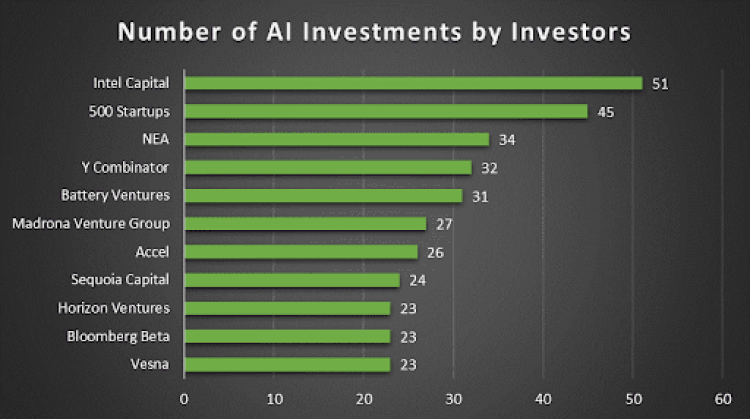
China's rapid advancements in AI are also expected to draw substantial investments, both domestically and from international players. The burgeoning tech sector could serve as a catalyst for economic growth and job creation, positioning China as a key player in the global digital economy.
According to a report by TechNode, the rise of generative AI is anticipated to attract over $10 billion in investments within the next few years. This influx of capital could further bolster China's position in the AI domain, facilitating the development of cutting-edge technologies and applications.
Conclusion
China’s approval of 346 generative AI services is more than just a national achievement; it signifies a pivotal moment in the global tech arena. As these services roll out, they promise to not only reshape industries but also redefine human experiences in ways we have yet to fully understand. The balance between innovation and ethical considerations will be critical in navigating the challenges that lie ahead.
The world watches closely as China forges its path in the generative AI landscape, setting the stage for a new era of technological advancement and global competition. As stakeholders across various sectors adjust to this new reality, one thing is clear: the future of AI is here, and it's rapidly evolving.
As the narrative unfolds, the implications of this generative AI boom will ripple across the globe, influencing how societies engage with technology, reshape industries, and confront ethical dilemmas in an increasingly digital world.