
AI Smart Glasses: Alibaba's Next Big Thing!
Get ready to see the world through a new lens! Alibaba's Tmall genie team is diving into the future with the development of AI smart glasses, expected to hit the market in 2025. These glasses are not just about style; they aim to integrate AI capabilities that could revolutionize how we interact with our environment. Imagine having a personal assistant right on your face, ready to help you navigate your day!

This innovation comes at a time when wearable tech is booming, and Alibaba is positioning itself to be a key player in this space. With features potentially including voice commands, augmented reality overlays, and seamless connectivity to other smart devices, these glasses could change the way we consume information and engage with the digital world.
The Wearable Tech Boom
The wearable technology market is exploding, driven by a surge in consumer demand for smart devices that offer convenience, connectivity, and new ways of interaction. According to a recent report from TechNode, the global wearable technology market is projected to reach $80 billion by 2025, fueled by innovations in health tracking, augmented reality, and AI.
Alibaba’s smart glasses could tap into this growing trend, providing users with hands-free assistance and augmented reality experiences that blend the digital and physical worlds seamlessly. The Tmall genie team has a history of integrating AI functionalities into their products, suggesting that these glasses will likely feature advanced voice recognition and real-time information display.
Inside the Technology
So, what can we expect from Alibaba’s AI smart glasses? Industry insiders speculate that they will offer an array of features aimed at enhancing everyday life. Picture this: you wake up, and your glasses greet you with the day’s schedule, weather updates, and notifications—all without needing to reach for your phone.
“We’re excited about the potential of smart glasses to bring AI into everyday life,” said a lead developer at Alibaba’s Tmall genie team, who requested anonymity. “Our goal is to make technology more integrated and intuitive.”
These glasses could incorporate augmented reality functionalities, allowing users to view navigation directions overlaid on their real-world environment. Imagine walking through a city, and your glasses guide you to your next meeting with arrows projected right onto the street. Or consider the educational possibilities, where students could access interactive lessons and information right in front of their eyes.
Competing in a Crowded Market
Alibaba is entering a competitive landscape of tech giants like Google, Apple, and Facebook, all of whom are exploring the future of wearable tech. Google’s Google Glass was one of the first attempts at smart eyewear, but it struggled to find a market. More recently, Meta has been developing its line of augmented reality glasses, aiming to create a fully immersive experience within its virtual environments.
However, Alibaba’s approach may set it apart. As a massive player in e-commerce, it has the potential to integrate its smart glasses with shopping experiences directly. For instance, you could see product reviews and prices simply by looking at items in a store, allowing for a seamless shopping experience that blends online and offline retail.
Collaboration and Innovation
Alibaba's commitment to innovation is further emphasized by its partnerships with various tech startups and academic institutions. The establishment of the Alibaba-NTU Corporate Lab, for example, aims to advance green digital technologies, showcasing Alibaba's focus on sustainability in addition to technological advancements.
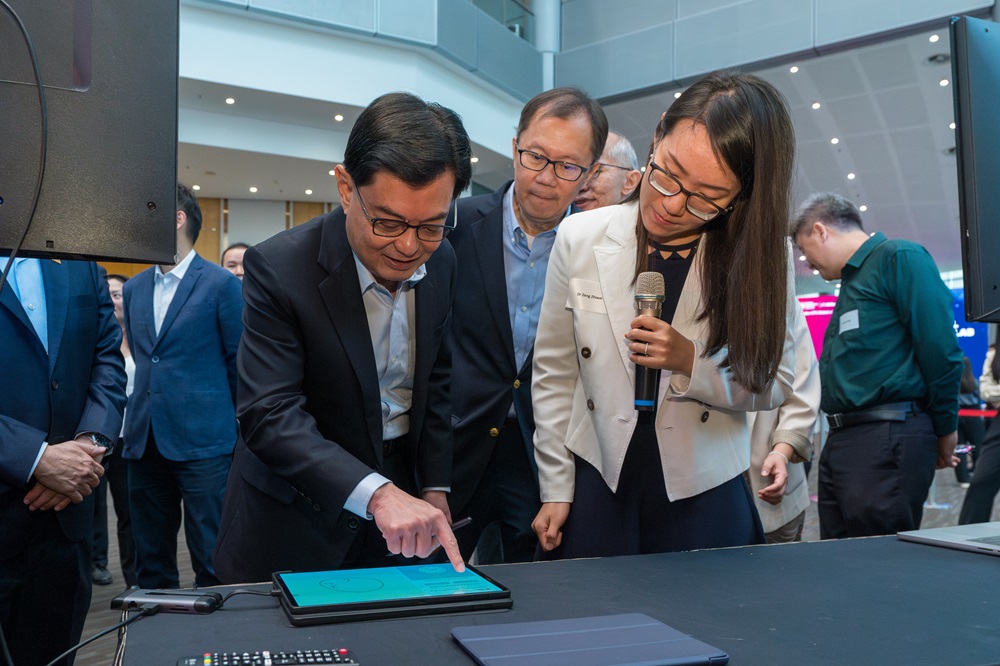
Such collaborations could lead to breakthroughs that enhance user experience and promote environmental consciousness in technology, aligning with the growing consumer demand for sustainable products.
User Privacy and Concerns
As with any technology that collects data, user privacy remains a crucial consideration. The integration of AI and real-time data processing raises questions about data security and user consent. With previous concerns surrounding data breaches in tech industries, Alibaba will need to ensure that its smart glasses prioritize user privacy.
Experts suggest that transparent data policies and robust security features will be essential in gaining consumer trust. “If Alibaba can deliver on privacy safeguards while providing unique functionalities, they can carve out a significant niche in the market,” noted a privacy analyst.
Looking Ahead
As we approach 2025, the anticipation for Alibaba's AI smart glasses is building. While the tech giant has yet to reveal specific details about pricing or availability, the excitement around their potential applications in daily life is palpable. Whether it’s navigating urban environments, enhancing shopping experiences, or providing real-time information, these smart glasses could redefine how we interact with both the digital and physical worlds.
So, stay tuned for more updates as this story develops, and prepare to embrace the future of tech!
For more information on the latest developments in technology trends, check out TechNode.
Keywords
- AI
- Smart Glasses
- Alibaba
- Wearable Tech