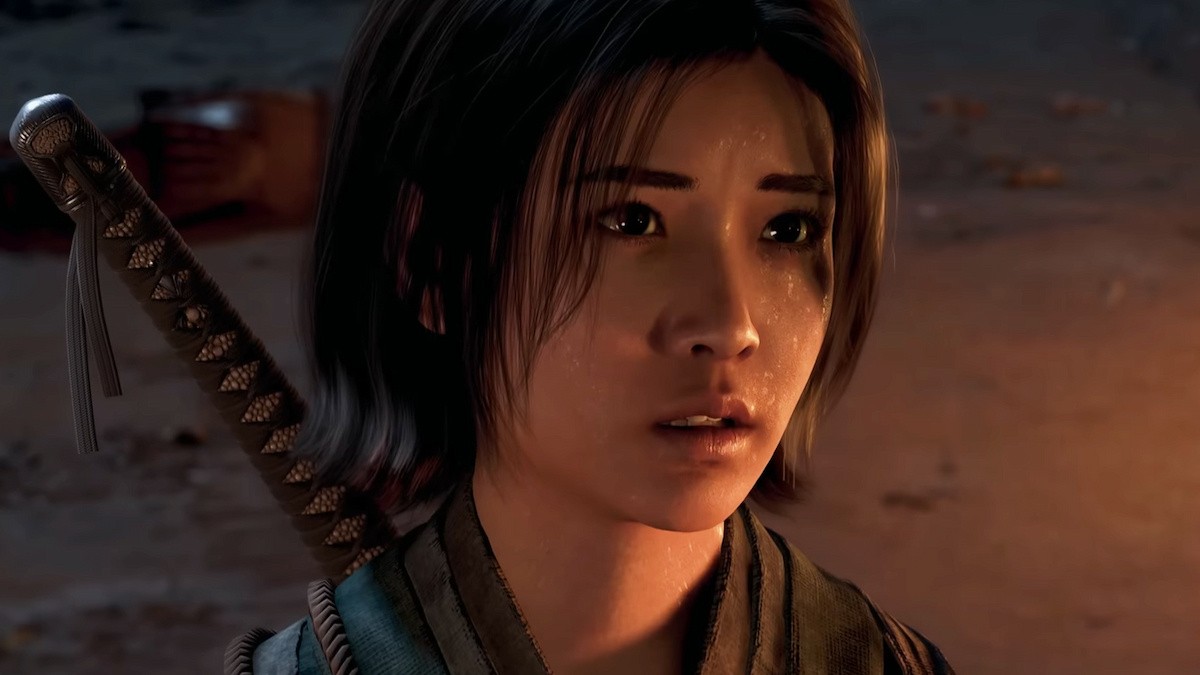
Ubisoft's Bold Move: A New Era with Tencent
In a bold and unexpected twist in the gaming industry, Ubisoft has announced a partnership with Chinese tech giant Tencent, setting the stage for a new gaming subsidiary supported by a staggering investment of €1.16 billion ($1.25 billion). This ambitious venture aims to revitalize some of Ubisoft's most iconic franchises, including Assassin's Creed and Rainbow Six, amidst ongoing financial struggles that have left many employees feeling anxious about the future.
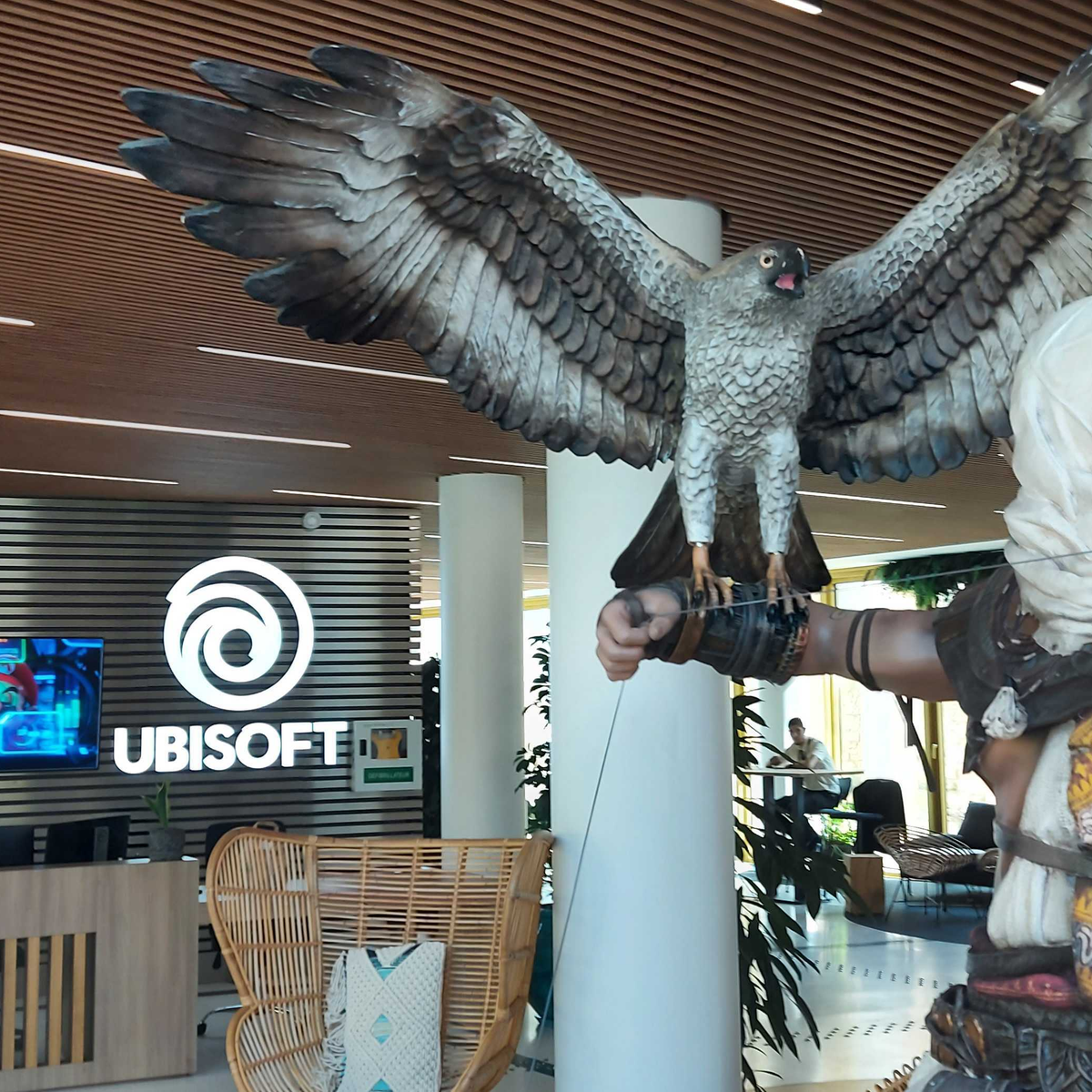
A Financial Crisis Unfolding
Ubisoft’s announcement comes on the heels of a catastrophic financial report, highlighting a 51.8% decline in net bookings year-over-year. This alarming statistic not only sparks concerns among investors but also raises questions about the company's sustainability. The digital bookings segment also saw a 33.8% drop, signaling a troubling trend in player engagement and revenue generation.
As Ubisoft grapples with a staggering debt-to-EBITDA ratio of -21.1x, the urgency for a strategic overhaul has never been more apparent. "Ubisoft is hemorrhaging money," an industry analyst noted, emphasizing the uphill battle the company faces as it attempts to navigate its financial woes.
The Tencent Partnership: A Ray of Hope or a Cause for Concern?
The partnership with Tencent, which also has stakes in various gaming entities, is being framed by Ubisoft as a "bold new chapter." However, reactions from within the company paint a more nuanced picture. Employees are grappling with a mix of hope and anxiety as they ponder what this partnership means for their job security and the future direction of the company.
“While this could be a much-needed lifeline for Ubisoft, employees are understandably nervous about the implications of such a significant partnership,” said one anonymous developer within the company. “We want to believe it will lead to better games and more investment in our franchises, but there’s a lot of uncertainty.”

Industry Reactions and Implications
The gaming community is closely monitoring this partnership, as opinions among industry observers vary widely. Some view it as a strategic pivot that might enable Ubisoft to leverage Tencent's extensive resources and market influence. Others fear that this could lead to a loss of creative control, with Tencent potentially steering the direction of beloved franchises towards more commercially viable but creatively limiting paths.
Notably, the partnership signifies an increasing trend of collaborations between Western game developers and Asian tech giants, prompting discussions about cultural integration in gaming narratives and gameplay.
"As we see more collaborations between Western and Eastern companies, we can expect new flavors in storytelling and game mechanics," remarked a market analyst from Niko Partners. "However, the challenge will be balancing creative integrity with commercial pressures.”
The Road Ahead for Ubisoft
With the establishment of the new subsidiary, Ubisoft hopes to consolidate its most valuable franchises under one roof, potentially allowing for better resource allocation and management. The company is banking on this move to rejuvenate its brand and once again engage players who have been turned off by recent lackluster releases.
As Ubisoft embarks on this new journey, the stakes couldn't be higher. The gaming community will undoubtedly continue to scrutinize this partnership to see if it can indeed turn the tide for the struggling giant.

Conclusion
Ubisoft's €1.16 billion partnership with Tencent marks a pivotal moment in the company’s history, bearing both potential and peril. As the gaming industry evolves, collaborations like this could reshape the landscape, but it's essential for Ubisoft to maintain its core values and creativity amidst financial pressures. The next few years will reveal whether this bold move can indeed revitalize iconic franchises and restore Ubisoft’s stature in the gaming world.
For continuous updates about this evolving story, check out more from That Park Place.