
The Rise of AI Art: Why Everyone's Talking About It
The internet is buzzing like never before, and this time, it's all about art—more specifically, AI-generated art. From the sleek streets of New York to the cozy corners of TikTok, creators and critics are diving into heated debates over this digital renaissance. With tools like DALL-E and Midjourney at everyone’s fingertips, artistic expression is evolving, and it’s turning heads in the process.

The Buzz Around AI Art
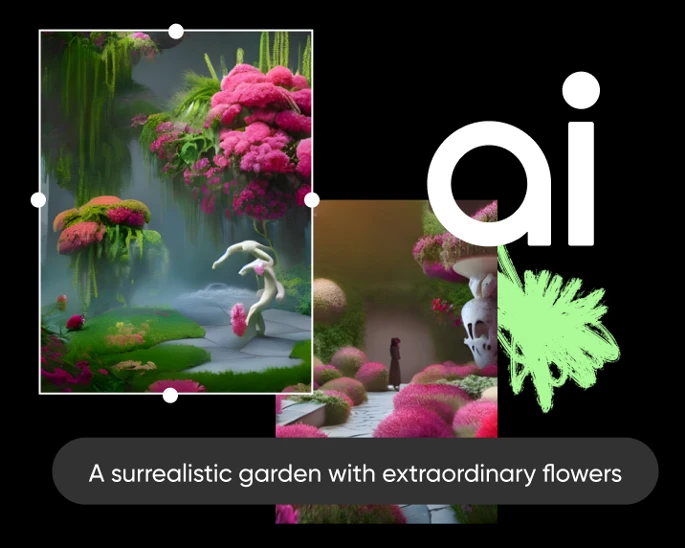
In recent weeks, AI art has taken social media by storm, especially on platforms like TikTok, where hashtags such as #AIArtChallenge are trending. Creators are using AI algorithms to produce visually striking images that defy traditional artistic boundaries. One TikTok user shared their AI-generated landscape, stating, "I can’t believe this was created by a machine! It looks like something out of a dream!" This sentiment reflects the awe many feel as they explore the capabilities of AI in the art world.
AI tools have democratized art creation, allowing anyone with a smartphone or computer to generate stunning visuals. Whether you’re an experienced artist or a curious newbie, creating unique pieces is just a few clicks away. The results have led to viral trends where users challenge each other to push the limits of what AI can achieve, sparking creativity across the globe.
The Controversy: Creativity vs. Authenticity
However, not everything about AI-generated art is sunshine and rainbows. Critics argue that art produced by algorithms lacks the emotional depth and authenticity that comes with human creativity. "AI art is, at best, a clever mimicry of human expression," says Dr. Emma Lutz, an art historian at the University of California. "It lacks the lived experiences and emotions that inform traditional artistic practices."
On the flip side, advocates for AI art contend that it can enhance creativity rather than diminish it. Many emphasize that these tools can serve as a new medium for expression, allowing artists to experiment and innovate in ways previously unimaginable. "AI doesn’t replace artists; it opens doors for new forms of creative collaboration," argues Jack Martinez, a digital artist who has embraced AI in his work.
A Shift in the Artistic Landscape
As the conversation around AI art evolves, so do the implications for originality and copyright. With multiple users potentially generating similar images based on the same prompts, the question arises: who owns AI-generated art? According to a recent study by the U.S. Copyright Office, the legal landscape surrounding AI-created works remains murky. They state, "Copyright law has not yet fully addressed the unique challenges posed by AI-generated content."
This uncertainty isn't slowing down the momentum. As more people experiment with AI tools, platforms like TikTok and Instagram are flooded with artwork that ranges from the whimsical to the profound. The viral #AIArtChallenge has seen thousands of participants, showcasing a variety of styles and themes, from dreamy landscapes to surreal portraits.
The Role of Influencers and Social Media
Influencers are taking notice too. Many are using their platforms to engage their audiences with AI art, creating tutorials and showcasing their own pieces. This trend has sparked increased interest in digital art and technology among younger generations, who are eager to learn more about the intersection of creativity and innovation.
"Influencers play a crucial role in making AI art accessible to the masses," said Courtney Rieker, director of influencer brand management at Acceleration Partners. "They help bridge the gap between technology and creativity, showing people how fun and engaging AI tools can be."
Future Prospects: Where Do We Go From Here?
The trajectory of AI art appears to be on an upward trend. Tech giants are investing heavily in the development of AI tools that could further refine how art is created. For instance, OpenAI's DALL-E 3 promises even more intricate and personalized outputs, allowing users to create art that reflects their unique styles and visions.
Additionally, as AI-generated art continues to gain traction, traditional art institutions are beginning to take notice. Recent exhibitions have featured AI art alongside traditional pieces, indicating a growing acceptance of this new medium in the art world. Institutions like the Museum of Modern Art are exploring how to integrate AI art into their collections, signaling a potential shift in how art is defined moving forward.

Conclusion: Embracing the New Era of Art
As we stand on the brink of this artistic revolution, the rise of AI art invites us to rethink our definitions of creativity and originality. While debates on authenticity and copyright loom large, the excitement and possibilities that AI art brings cannot be ignored. Whether you’re an artist or an enthusiastic observer, diving into this new world could transform how we experience and create art.
With platforms buzzing and more creators joining the conversation, one thing is clear: the rise of AI art is a phenomenon that’s not going away anytime soon. So, if you haven’t yet explored this digital frontier, grab your favorite AI tool and start creating—who knows what masterpiece awaits?

For those interested in tracking the latest trends in AI art, staying engaged on social media platforms can provide insights into emerging styles and challenges. As Dr. Lutz aptly puts it, "In a world where technology is always evolving, so too must our understanding and appreciation of art."
Explore, create, and redefine what it means to be an artist in the 21st century!