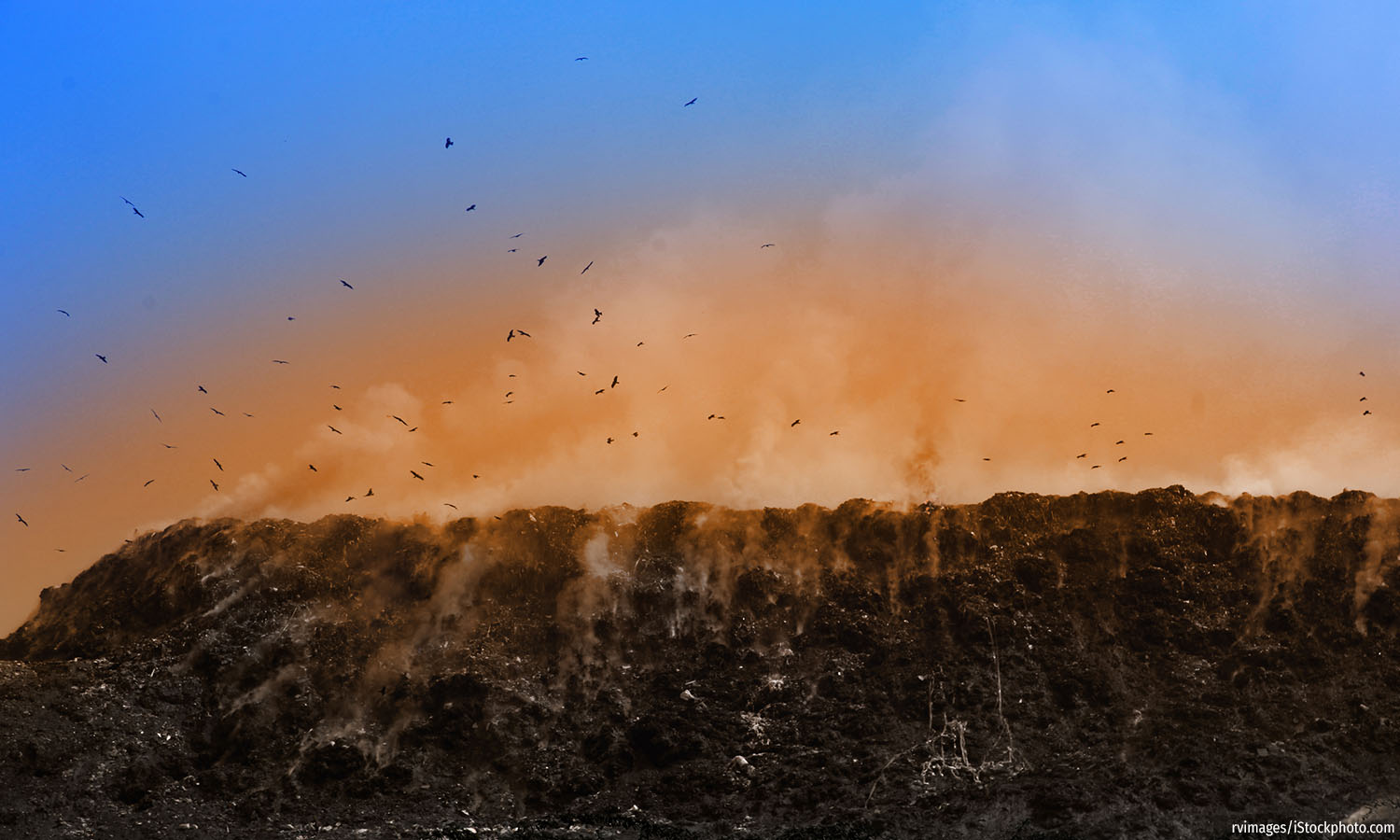
The World's Highest Garbage Mountain: Ghazipur Landfill's Viral Fame
In the vibrant and sprawling metropolis of Delhi, a towering symbol of urban challenges has emerged — the Ghazipur Landfill. Covering around 70 acres, this colossal heap has not only dwarfed neighboring structures but also captured global attention, earning the nickname of the world's highest garbage mountain. As of now, this staggering pile of waste has become a viral topic, sparking conversations about environmental sustainability and the urgent need for effective waste management solutions.

The Monumental Scale of Ghazipur
The Ghazipur Landfill's towering height is a startling testament to the inefficiencies and challenges in urban waste management. As cities globally grapple with similar issues, Ghazipur stands as both a cautionary tale and a symbol of the environmental impact of unchecked waste accumulation. The landfill, originally intended as a temporary solution, now rises to alarming heights, a visible reminder of the urgent need for sustainable practices.
The landfill's notoriety has been amplified by social media, where images and videos of the daunting rubbish mountain circulate widely. This exposure has not only raised awareness but also prompted a re-evaluation of waste management practices in cities worldwide.
Efforts for Change: Small Steps, Big Goals
Addressing the Ghazipur Landfill's growth involves more than just local efforts. Initiatives are underway to reduce waste generation and enhance recycling processes, yet these measures only scratch the surface of a deep-rooted problem. Comprehensive strategies are essential — ones that integrate government policy, community engagement, and technological innovation.
Delhi's municipal authorities have been actively looking for solutions. This includes plans to convert a portion of the waste into energy, improving waste segregation at the source, and expanding the city's recycling facilities. However, the sheer scale of waste demands a concerted effort that involves multiple sectors and disciplines.
A Global Perspective on Waste Management
The Ghazipur Landfill isn't just a local issue; it's a reflection of a global challenge. As urban populations expand, so does the quantity of waste generated. According to a World Bank Report, global waste is expected to increase by 70% by 2050 unless urgent action is taken.
This rise in waste presents both a challenge and an opportunity. Cities and countries can learn from each other's successes and failures. For instance, Sweden's waste-to-energy initiatives and Japan's meticulous waste sorting and recycling systems serve as models for integrating technology and policy to manage waste sustainably.
Technological Innovations: The Road Ahead
Innovation plays a crucial role in addressing waste management issues. From AI-driven waste sorting systems to biodegradable materials, technology offers tools to reduce reliance on landfills. Efforts in research and development are pivotal, as is the implementation of these technologies on a large scale.
One promising development is the use of AI for waste classification and sorting. By automating these processes, cities can achieve higher recycling rates and reduce the amount of waste sent to landfills. Similarly, advancements in biodegradable packaging can significantly cut down on plastic waste, which constitutes a large portion of landfill content.
A Call to Action
As the world watches, the Ghazipur Landfill has become more than just a mountain of garbage; it is a call to action for sustainable urban living. The viral fame of this landfill is a reminder of the impact our waste has on the environment and the pressing need for innovative solutions.
Communities, policymakers, and businesses must collaborate to create effective waste management systems that prioritize sustainability. The story of Ghazipur is one that resonates far beyond the streets of Delhi, urging cities worldwide to rethink and revolutionize their approach to waste.
By harnessing the power of innovation, engagement, and policy, we can turn the tide on waste and transform challenges into opportunities for a cleaner, greener future.