
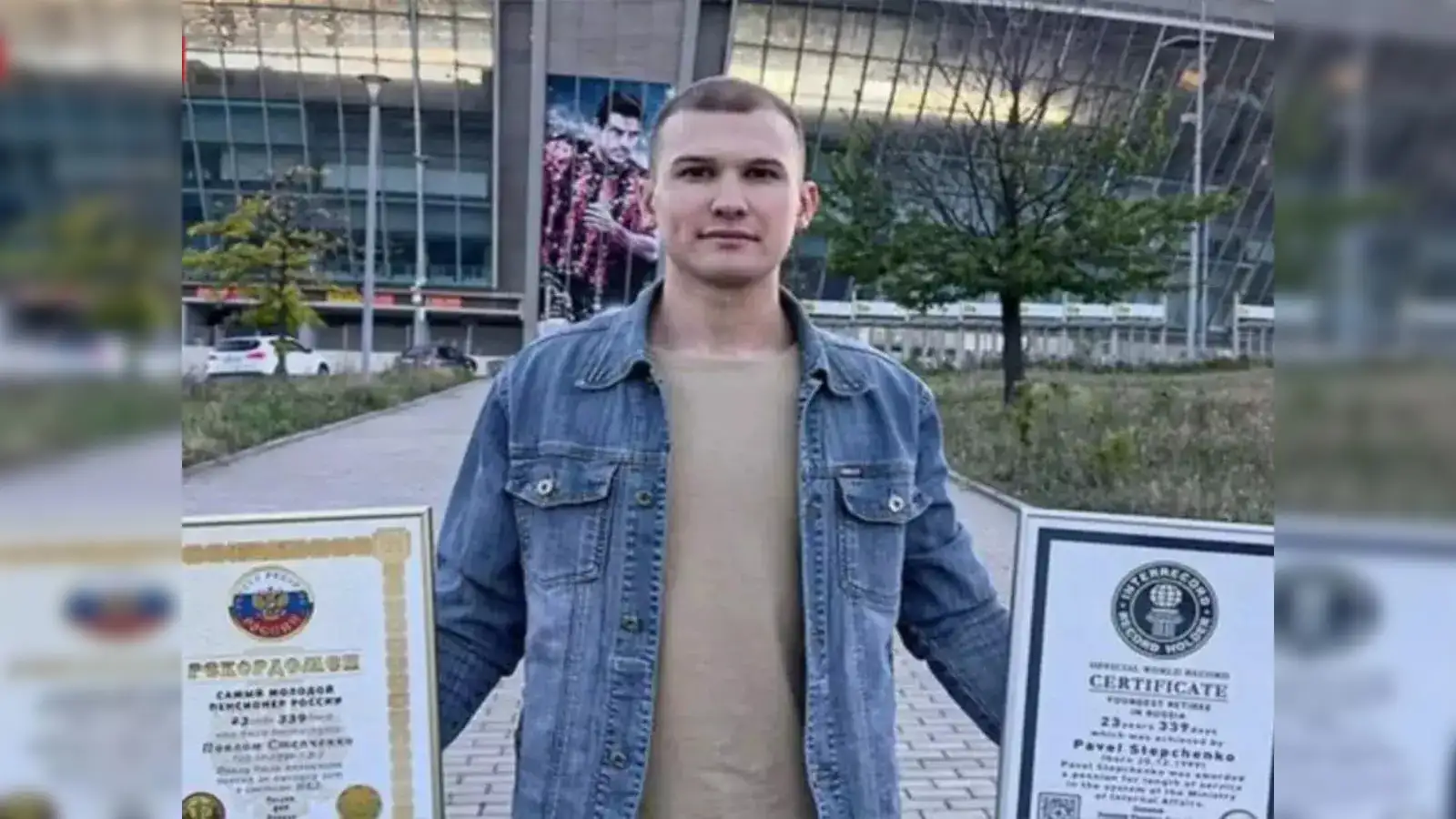
In a twist that could make even seasoned retirees green with envy, 23-year-old Pavel Stepchenko has become Russia's youngest pensioner, thanks to a rather unusual policy. Born in Donetsk, Stepchenko's journey to early retirement isn't just a tale of youthful ambition but a fascinating lesson in the quirks of governmental benefits.
The Path to Early Retirement
Imagine starting your career, and before you even hit your mid-20s, you're waving goodbye to the daily grind. This is now Pavel Stepchenko's reality, although it didn't come about through the usual entrepreneurial routes or inheritance windfalls often associated with early retirement. Instead, it was a strategic use of a legal provision that many might overlook.
At 16, Stepchenko enrolled in an educational institution under the Russian Ministry of Internal Affairs, an impressive feat in its own right. After five years of studies, he started working for the territorial division of the internal affairs system. However, his stint as a working professional lasted merely two years. Thanks to a special provision that triples service time during martial law, Stepchenko's service was effectively extended, allowing him to retire at the young age of 23.
A Loophole or Genius Planning?
Many are calling Stepchenko's early retirement a "hack" of the system, but it raises intriguing questions about pension policies worldwide. In Russia, the martial law provision allows each month worked during such a period to count as three months of service. This means that Stepchenko didn't just work for two years in conventional terms but effectively clocked in enough to qualify for a full pension, a benefit generally reserved for those with decades of service.
The Implications of Such Policies
Stepchenko's story shines a light on how governmental policies can sometimes offer unexpected advantages. It also prompts a larger conversation around pension benefits and how they can be accessed in non-traditional ways. While some may argue that such provisions could be exploited, others see it as a strategic move that rewards those who find and utilize these opportunities.

The Dream of Retiring Young
For many, the dream of retiring young is just that—a dream. The idea of financial freedom before middle age is appealing, but often out of reach. Stepchenko's case, however, showcases that with the right mix of planning, policy, and perhaps a dash of luck, it is indeed possible. This young pensioner now has the time to pursue passions, travel, or even embark on new career paths without the financial pressures typically associated with early adulthood.
What's Next for Pavel?
While many might be curious about what Stepchenko plans to do with his newfound freedom, he's been somewhat mum. Perhaps it's a life of leisure or maybe a new venture altogether. Regardless, his story is an inspiration to those who are constantly searching for ways to balance work and life—proving that sometimes, the system can work in unexpected favor.
Stepchenko’s tale has sparked curiosity and conversation not just in Russia but globally, as people reconsider the structures of modern work and retirement. Whether viewed as a clever exploitation of a loophole or a commendable example of strategic planning, Pavel Stepchenko’s early retirement is a narrative of our times, reflecting the ever-evolving landscape of labor and entitlement.
To read more about this fascinating story, visit Oddity Central.