
The Bop House Controversy: When Viral Meets Risky
Welcome to the digital age's latest controversy—where going viral can sometimes mean walking a tightrope. Tucked away in the sunny locale of Miami, the Bop House, a mansion bustling with OnlyFans creators, has ignited a fiery debate about internet safety and content accessibility. The brainchild of influencer Sophie Rain, this luxurious abode plays host to a group of young women who have tapped into the power of social media's most seductive trends. But beneath the glitz and glamour lies a contentious issue that’s raising eyebrows and red flags among experts and parents alike.
The Viral Strategy
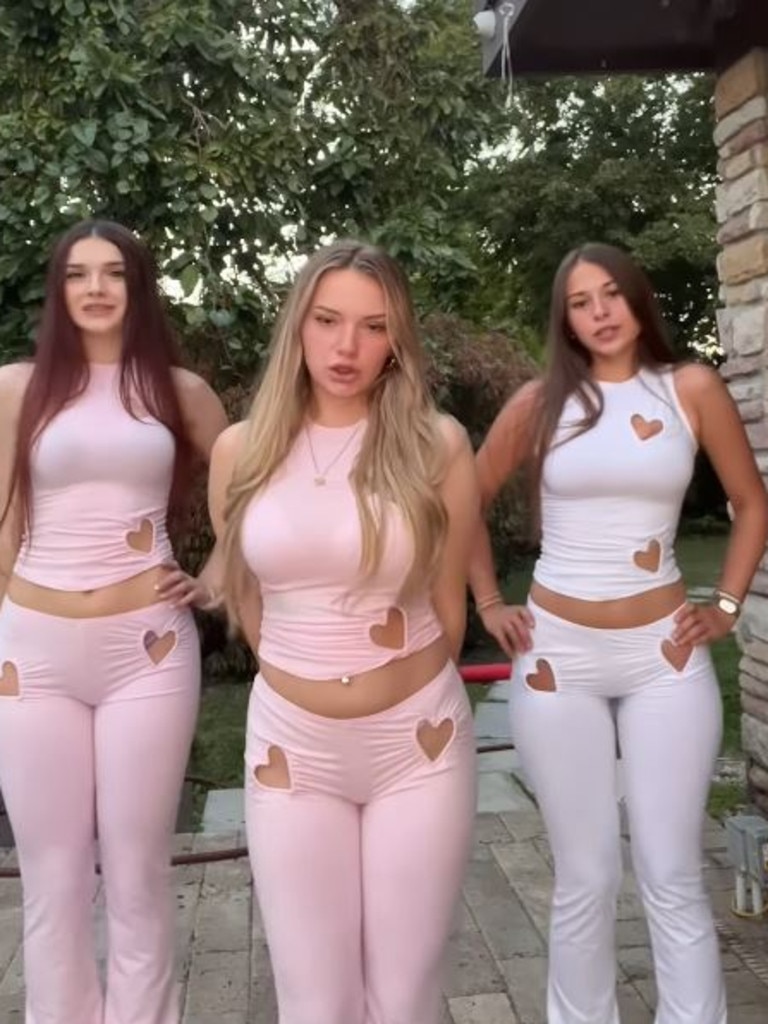
On the surface, the Bop House appears to be just another social media content factory. It churns out TikTok clips full of catchy dances and light-hearted challenges. But look a little closer, and you’ll find that these seemingly innocuous videos often serve as a gateway to more adult-oriented content on platforms like OnlyFans. This business model has proven highly lucrative for its residents, but it also raises significant concerns about the potential exposure of minors to inappropriate material.
Blurring the Lines
The Bop House exemplifies the complex dual nature of the internet—where trending content can be a double-edged sword. Content that initially appears to be PG can quickly link users to explicit material just a click away. This is problematic, especially considering TikTok's predominantly young user base. According to a Daily Mail article, experts have issued warnings about the mansion's content strategy, suggesting it's an unethical marketing ploy targeting unsuspecting youth.
The Influence of Algorithm
Part of the challenge is the nature of social media algorithms, which tend to favor and amplify content that garners rapid engagement, regardless of the content's nature. As the mansion's following grows—now reaching millions—it becomes increasingly difficult to shield young audiences from its reach. Experts like James Kirkham, founder of ICONIC, express concern that platforms often prioritize virality and fame over ethical considerations, making it challenging for parents to monitor effectively.
Parental Concerns and Responsibilities
For parents navigating this digital landscape, the Bop House controversy serves as a stark reminder of the importance of vigilance. Kirsty, an internet safety advocate, emphasizes the need for regular monitoring of children's social media activity. She advises setting up parental controls and discussing the potential dangers of seemingly benign content that may hide more mature themes.
A House Divided: The Broader Debate
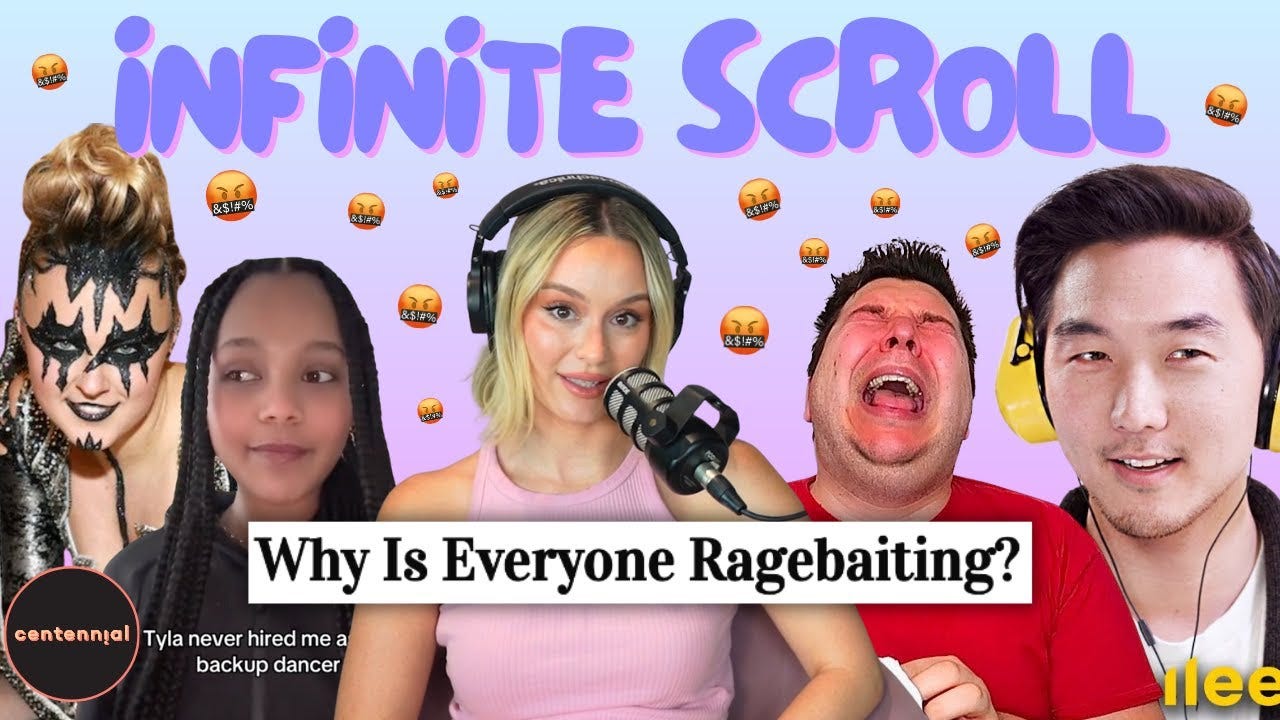
The debate over the Bop House is emblematic of larger conversations around digital ethics and the responsibility of content creators. Should platforms like TikTok implement stricter content policies? Or do creators bear the full weight of ensuring their content is appropriate for their audience? The situation is further complicated by the fact that many of the house's residents, like Sophie Rain and Aishah Sofey, have themselves risen from disadvantaged backgrounds to make significant earnings through social media—highlighting the platform's potential for economic empowerment alongside its pitfalls.
The Future of Content Creation
As we move forward, the Bop House raises essential questions about the future of content creation. The allure of quick fame and fortune offered by platforms like TikTok and OnlyFans is undeniable, but at what cost? Balance is key—ensuring that content remains engaging and innovative without compromising on ethical standards.
In conclusion, while the Bop House continues to capture the imaginations of millions, it also serves as a cautionary tale. It's a reminder that in the quest for virality, content creators and platforms alike must tread carefully, balancing innovation with responsibility. As digital consumers, staying informed and vigilant is our best defense against the murky waters of internet fame.
For more insights and to join the conversation, check out the full discussion here.