
In a scenario that sounds like something straight out of a peculiar movie plot, Transportation Security Administration (TSA) agents at Newark Liberty International Airport made an eyebrow-raising discovery: a live turtle concealed in a passenger's pants. This unusual attempt at wildlife smuggling has not only sparked a flurry of online discussions but also highlighted the inventive, albeit illegal, lengths some individuals will go to bypass international travel regulations.
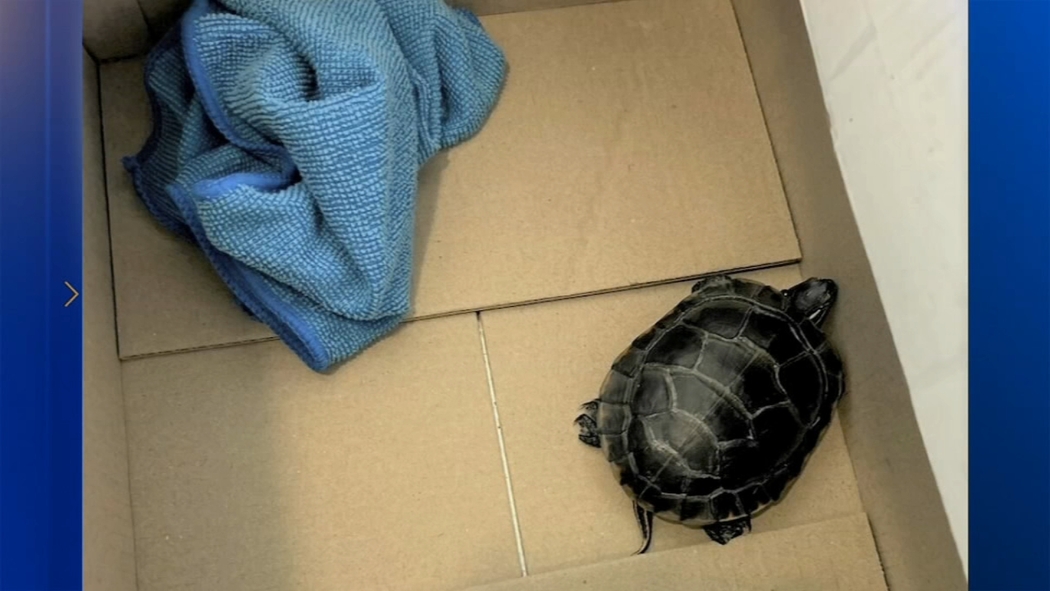
According to Ripley's Believe It or Not, the incident occurred during a routine security check, when agents noticed something amiss as the passenger passed through the scanner. Upon further inspection, they found the turtle snugly tucked away, raising immediate concerns about the welfare of the animal and the passenger's motives. "It's not every day you find a reptile in someone's clothing," commented a TSA spokesperson, who noted that while they have encountered a variety of smuggled goods, this was particularly unusual.
This case underscores a significant issue facing airports globally: the illegal trade of wildlife. The U.S. Fish and Wildlife Service has been actively working to curb the smuggling of animals, a lucrative business that poses serious threats to biodiversity and animal welfare. The discovery of the turtle is a stark reminder of the challenges faced by authorities trying to combat the illegal wildlife trade, a market estimated to be worth up to $23 billion annually.
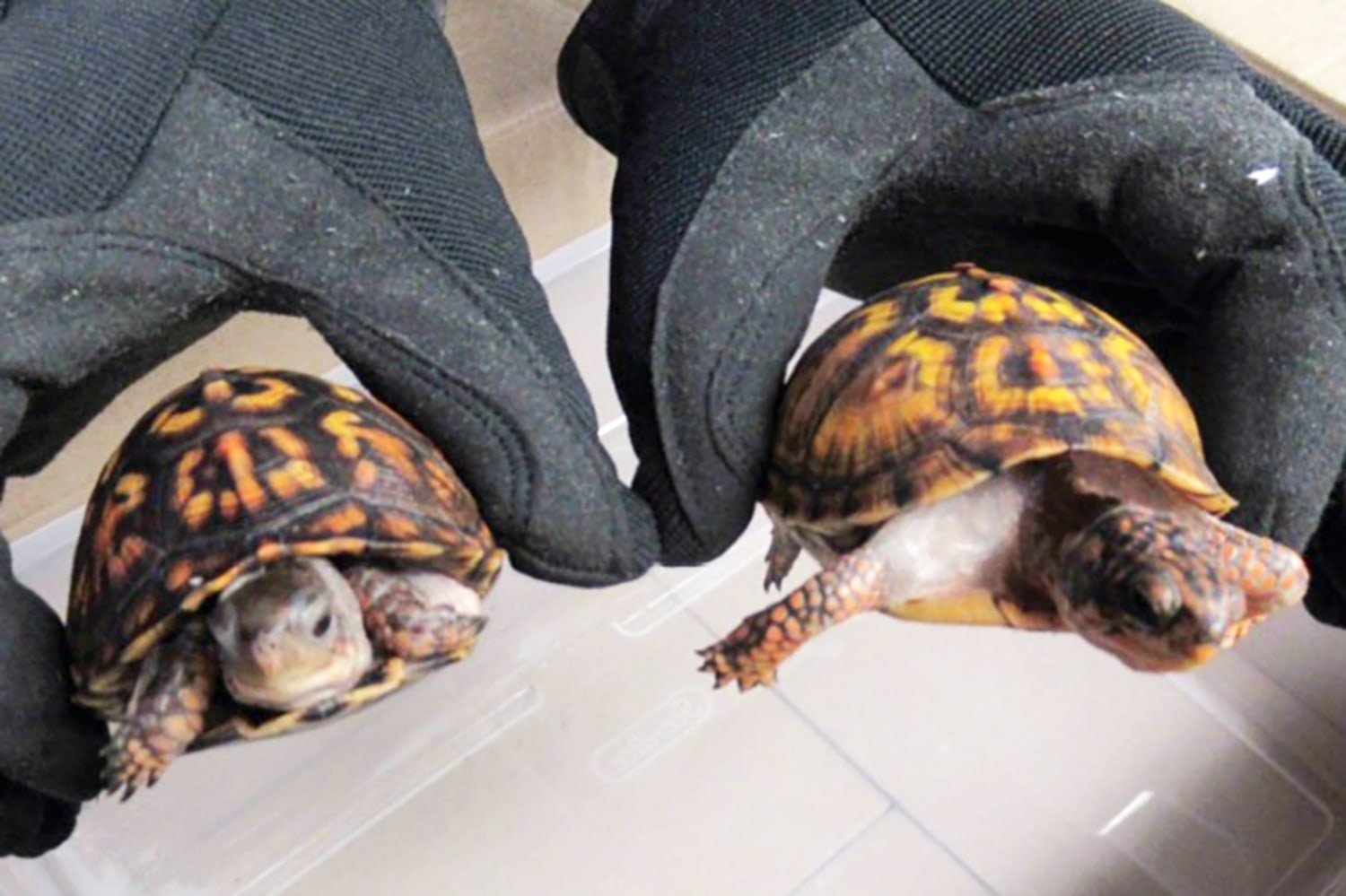
The creative, albeit misguided, attempt to transport a live turtle in one's pants raises questions about the methods and risks individuals are willing to take. As The Mirror points out, while it might seem humorous at first glance, the implications of such actions can have serious legal and ethical consequences. Smuggling not only threatens the species involved but also poses a risk of introducing diseases and disrupting ecosystems.
Reflecting on this event, Ron Magill, a wildlife expert from Miami's Zoo, expressed his concerns: "While people might think it's a harmless or funny prank, the reality is that it can have dire consequences for the animals and the environment. Smuggling is not just illegal; it's irresponsible and can be deadly for the creatures involved."
The incident has also sparked a broader conversation on social media, with users expressing a mix of disbelief and humor over the smuggler's choice of concealment. Memes and jokes quickly circulated, often accompanied by images of cartoon turtles with captions like "Not your average carry-on." However, amidst the laughter, there is a serious undertone about the need for increased awareness and stricter regulations to prevent such occurrences.

As authorities continue to investigate the incident, which is one of the many peculiar cases they encounter regularly, it serves as a reminder of the vigilance required at airports and the ongoing efforts to protect wildlife from exploitation. The passenger involved in this incident is now facing potential charges under the Endangered Species Act, which could result in hefty fines and possible jail time.
For travelers, this case is a cautionary tale about the importance of respecting laws designed to protect wildlife and the environment. As awareness grows, so does the hope that such bizarre and harmful attempts at smuggling will become a thing of the past, allowing for a safer, more sustainable future for all species involved.
This story might sound like it's from the pages of a Ripley's book, but it's a real and pressing issue that underscores the importance of international cooperation and strong enforcement to combat wildlife trafficking. As for the turtle, it has been safely transferred to a local animal rescue center, where it will be given the care it needs before being released back into its natural habitat.