
In the sprawling digital landscape where going viral is the holy grail for influencers, two Malaysian content creators, Ammar Nazhan and Aras Abdullah, decided to take an unconventional route. The duo orchestrated a bizarre hoax about a disappearance in the eerie Bandung forest, with hopes that the narrative would capture the attention of social media users worldwide. Spoiler alert: it did, but not without stirring controversy.
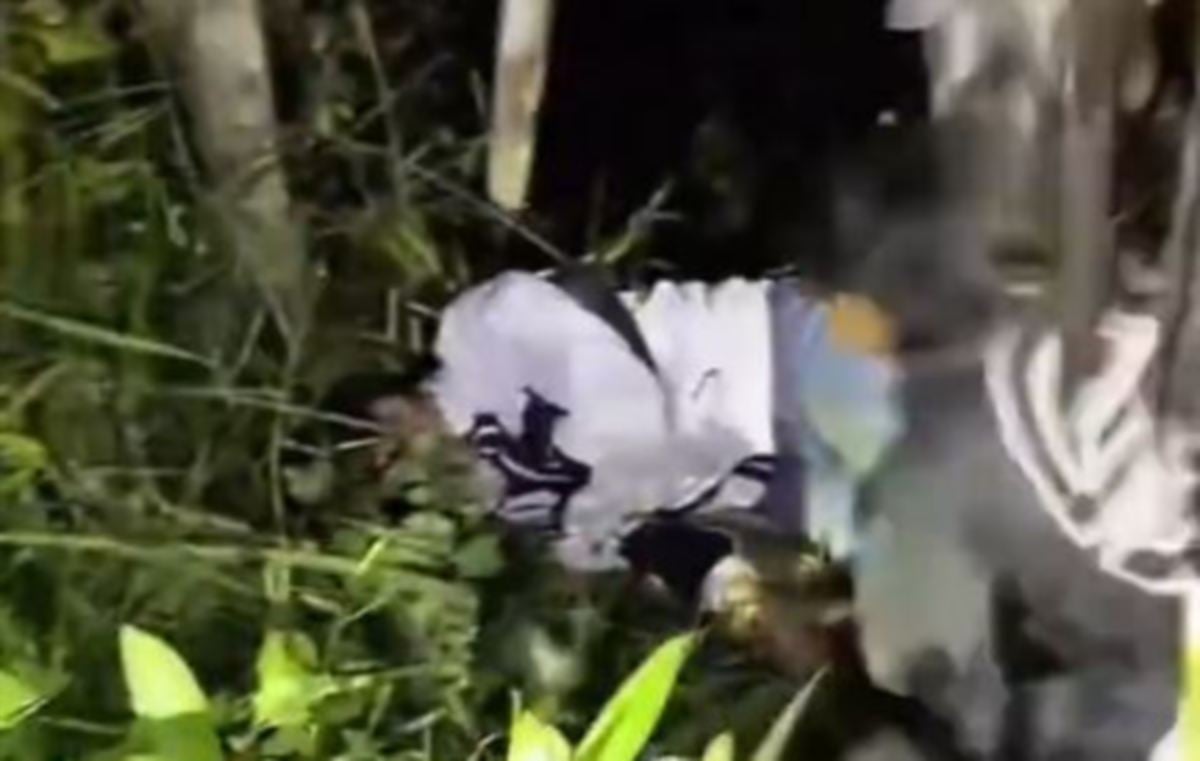
The initial video, shared on Ammar's TikTok account, spun a gripping tale: a Malaysian influencer had gone missing while shooting paranormal content in the dense woodlands of Bandung. The caption read, "Malaysian influencer went missing in Bandung forest while making paranormal content." The story quickly gained traction, sparking curiosity and concern among netizens who were hooked on the mystery.
However, the thrill of a real-time mystery was short-lived. The Panyileukan district police chief, Commissioner Kurnia, soon revealed that this sensational disappearance was nothing more than a well-planned ruse. "The viral news on social media about the disappearance of Malaysian TikToker Eyka is untrue," stated Kurnia, putting an end to the speculation. The police investigation confirmed that Ammar and Aras devised the hoax as a strategic move to boost their online presence.
This incident highlights the lengths some influencers will go to for the sake of virality in the digital age. The internet is replete with stories of creators pulling stunts to grab attention, but few have gone so far as to stage a disappearance. This tactic, while creative, exposes the ethical gray areas many influencers operate within as they pursue fame.
Ammar and Aras's escapade is a testament to the pressure on content creators to stand out in an oversaturated market. As Atlanta's Luxury Realtor (@thekiraoliver) aptly put it in a social media post, "One thing about content creation; Not every video will go viral. Not every brand will say yes." This reflects a growing sentiment among creators that the quest for viral content is fraught with challenges and often requires thinking outside the box.
The incident in Bandung raises questions about the responsibilities of influencers and the impact such hoaxes can have on public trust. While content creators are known for pushing boundaries, the line between innovative storytelling and misinformation can be perilously thin. As digital consumers, it's crucial to approach viral content with a critical mindset, recognizing that not every sensational story is rooted in truth.
Furthermore, this event underscores the role of social media platforms in amplifying such narratives. Platforms like TikTok thrive on engagement metrics, which can sometimes prioritize viral potential over factual accuracy. This dynamic creates fertile ground for hoaxes to spread before being debunked.
As the dust settles on the Bandung forest saga, it serves as a reminder of the power and peril of online storytelling. For Ammar and Aras, the hoax may have provided a temporary surge in followers, but it also sparked a debate on the ethics of content creation in the digital age. As social media continues to evolve, the importance of authenticity and transparency becomes ever more critical.
In the end, while the Malaysian influencers' stunt may have been a misstep, it provides valuable lessons for both creators and consumers. It highlights the need for a more discerning approach to viral content and the ethical considerations that come with digital fame. As the saying goes in the content creation world, not all that glitters is gold—or in this case, not every viral sensation is as it seems.
For more insights into the viral incident and its implications, you can read the original report by The Sun Malaysia. As the online world continues to grapple with the balance between creativity and responsibility, this incident serves as a case study in the ongoing conversation about the role of influencers in shaping digital narratives.