
Nestled in the azure embrace of the Persian Gulf, Hormuz Island has become an unlikely internet sensation thanks to a bizarre and stunning natural phenomenon: "blood rain." This viral spectacle has captivated netizens and sparked curiosity worldwide, as videos showing rainwater cascading in rich, red hues circulate across social media platforms. But what exactly causes this otherworldly display, and why is it happening on Hormuz Island?

Nature's Canvas: The Science Behind Blood Rain
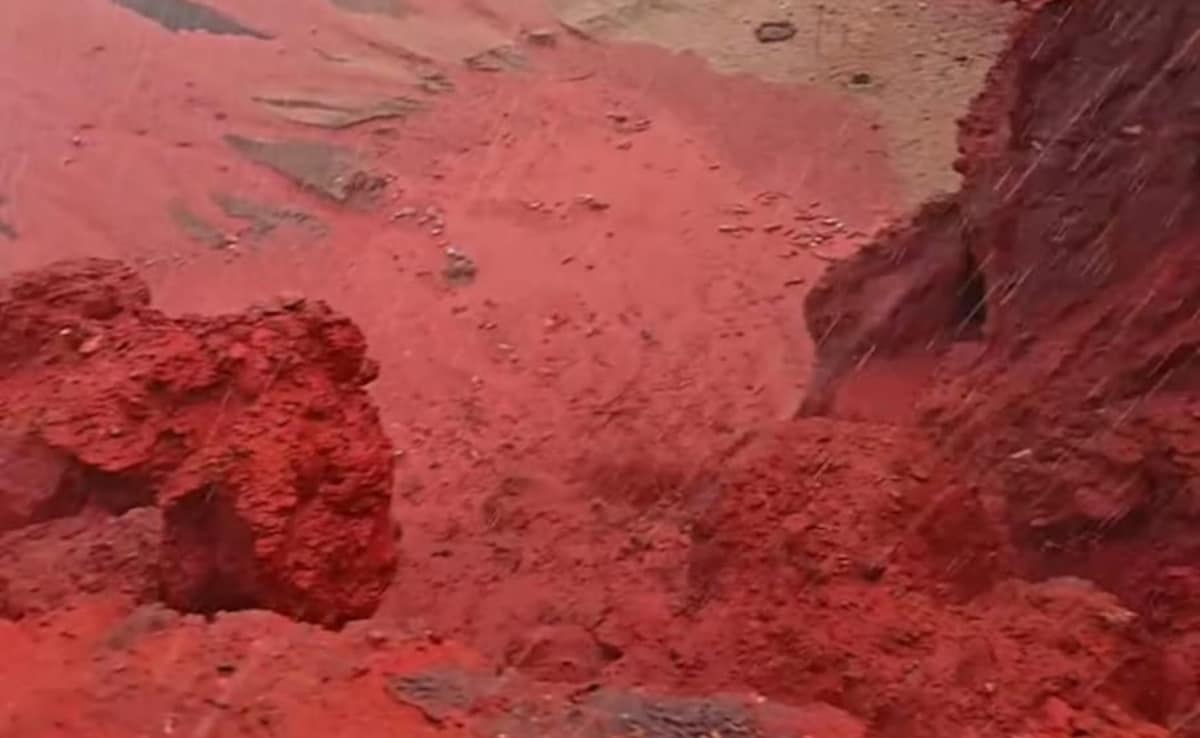
The phenomenon of blood rain is not a supernatural occurrence, despite its eerie appearance. It's a fascinating interaction between mineral-rich soil and precipitation. Hormuz Island, often referred to as the "Rainbow Island" due to its colorful landscape, is home to soil imbued with high concentrations of iron oxide. When rain falls, it mixes with these soil particles, tinting the water with a deep reddish hue, akin to the color of blood.
Dr. Mina Bahrami, a geologist at the University of Tehran, explains, "The soil on Hormuz Island is rich in iron oxide and other minerals. When it rains, these particles get suspended in the water, creating the vivid red effect that people are witnessing."
A Viral Sensation
The recent video capturing this natural marvel has caused a stir online, with viewers expressing both awe and disbelief. The footage showcases red streams flowing down the island's slopes, contrasting starkly against the typically dry landscape. It's a visual feast that resonates with audiences, combining the allure of a myth with the grounded reality of geological science.
Social media has been abuzz with reactions. Twitter user @NatureLoverIR commented, "It's like something out of a fairy tale! Who knew Iran had such hidden natural wonders?" Another user, @GeoGeek, noted, "This is why geology is so fascinating—nature constantly surprises us with its artistry."
A Wonder of the World
Hormuz Island itself is an ecological and geological treasure, often drawing tourists and researchers alike. Its vibrant soil, caused by volcanic activity millions of years ago, is a major attraction. The island's unique ecosystem supports a variety of plant and animal species, some of which are found nowhere else on Earth.
Environmental scientist Dr. Ali Rezai points out that the island's biodiversity is as remarkable as its geology. "Hormuz Island is a living laboratory," he says. "The interplay between the land and the sea here creates a hotspot of biodiversity that is crucial for research and conservation."
Implications and Speculations
While the phenomenon of blood rain is not harmful, it does raise interesting questions about climate patterns and environmental changes in the region. Researchers are keen to study whether these events are becoming more frequent, and if so, why.
The potential implications of increased blood rain events include changes in soil composition and impacts on local agriculture, though currently, such occurrences remain rare and localized. For the residents of Hormuz Island, these rains are a part of the natural rhythm of life, albeit one that occasionally draws global attention.
Beyond the Viral Moment
The viral nature of the blood rain video speaks to a larger trend in how we interact with and perceive natural events. In the digital age, a single video can thrust a small, remote location into the global spotlight, fostering both appreciation and scrutiny. It's a testament to the power of social media to illuminate the wonders of the natural world, while also reminding us of our responsibility to these environments.

Experts like Dr. Bahrami hope that the viral interest in Hormuz Island will inspire greater awareness and appreciation of natural phenomena. "Nature has so much to teach us," she says. "These events, while visually spectacular, are opportunities to increase our understanding and stewardship of our planet."
As the digital world continues to expand, connecting distant corners of the globe, occurrences like the blood rain of Hormuz Island remind us of the endless wonders waiting to be discovered and shared. Whether you're a geology enthusiast or simply a curious observer, these moments of natural beauty invite us to look closer and think deeper about the world around us.
In the meantime, Hormuz Island's blood rain will continue to mesmerize those who witness it, a vivid reminder of nature's untamed artistry and the stories it holds within its landscapes.