
In 2025, the realms of augmented reality (AR) and virtual reality (VR) are breaking out of their gaming shackles, strutting into the limelight of practical, everyday applications. As these technologies get more user-friendly and the devices less clunky, they're set to revolutionize industries like education, healthcare, and design. Imagine students attending a history class on Ancient Rome while virtually walking through the streets of the Eternal City. Or picture a patient receiving a virtual healthcare consultation from the comfort of their living room. The possibilities are as vast as they are exciting.
The Education Revolution
Education is arguably one of the most promising sectors for AR and VR integration. These technologies offer an immersive learning experience that was previously the stuff of sci-fi dreams. According to a Mintel report, the adoption of AR/VR in educational environments is skyrocketing, transforming traditional learning methods into engaging and interactive experiences.
Dr. Emily Carter, an educational technologist at Stanford University, remarked, "With AR and VR, we can take students on virtual field trips that are not only engaging but also deeply informative. It’s a game-changer for experiential learning." Schools are already using AR to superimpose digital information onto physical textbooks, turning static content into dynamic, interactive lessons.

Healthcare: A Virtual Lifeline
In healthcare, VR is emerging as a vital tool, not just for patient consultations, but also for training medical professionals. Virtual reality provides a risk-free environment for medical students to practice surgeries and procedures. This hands-on practice is invaluable, offering a level of experience that's hard to achieve through traditional educational means.
Moreover, VR is helping patients with phobias and PTSD by creating controlled environments where they can confront their fears in a safe, virtual space. "VR therapy has been a breakthrough in treating anxiety disorders," says Dr. Michael Hayes, a psychologist specializing in virtual therapies. "Patients can gradually desensitize themselves to their triggers in a way that's both controlled and systematic."
Design: Beyond Blueprints
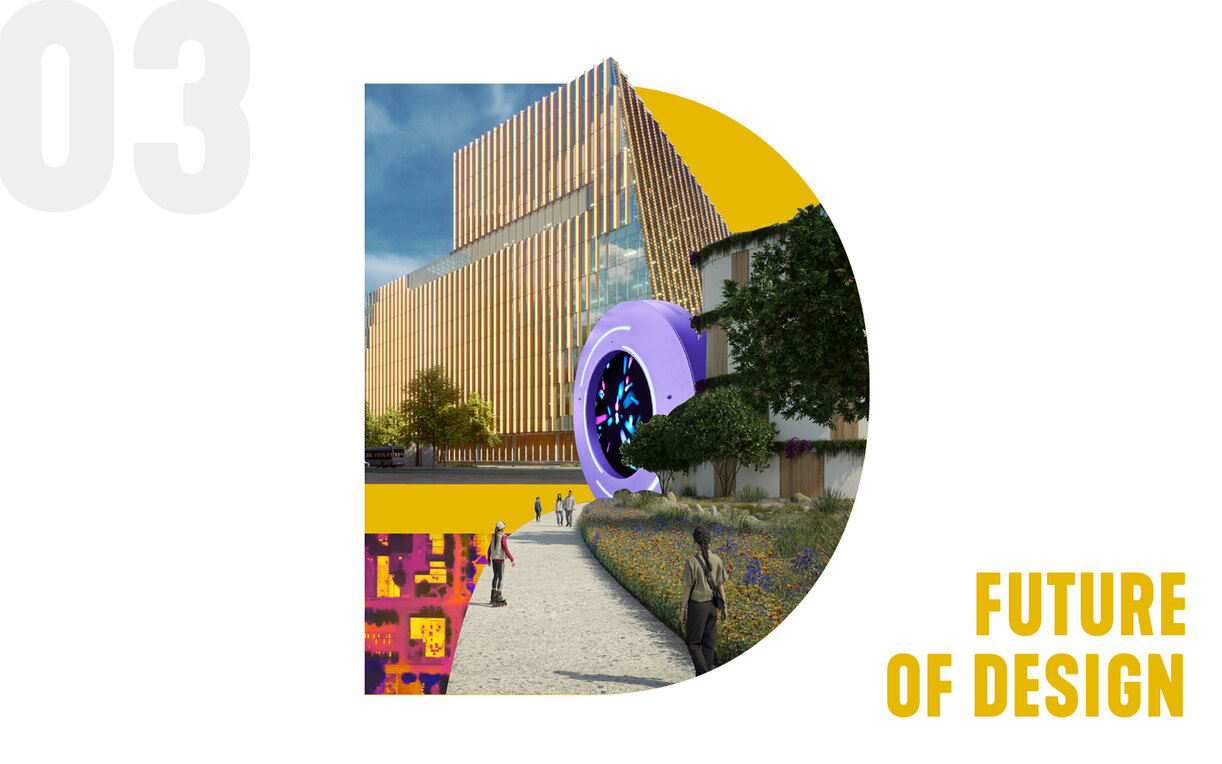
The design industry is another field where AR and VR are making significant inroads. Architects and designers are using virtual environments to visualize and modify designs before a single brick is laid. Clients can take virtual tours of their future homes or office spaces, providing feedback that can be instantly incorporated into the design.
This real-time interaction saves time and money, minimizing the need for costly changes during construction. "It's like having a digital twin of your project," says Sarah Nguyen, a lead architect at a prominent firm in New York. "The ability to walk through and make changes on the fly is incredibly powerful."
Overcoming Challenges
Despite the exciting advancements, AR and VR still face hurdles. High costs and motion sickness are two significant barriers to widespread adoption. However, as the technology matures, these issues are gradually being addressed. Companies like Meta and Apple are heavily investing in research to develop lighter, more comfortable headsets and improve user interfaces to reduce nausea.
Moreover, as highlighted in the Mintel report, the potential for practical applications in everyday life is immense, and this is driving a shift in consumer attitudes. As these technologies demonstrate their value beyond gaming, interest is expected to grow, especially among younger generations who are more open to tech innovations.
The Road Ahead
With the support of big tech and continuous innovation, AR and VR are poised to become integral parts of our daily lives. The key will be focusing on real-world applications that offer tangible benefits, thereby increasing user engagement and acceptance.
In conclusion, the expansion of AR and VR beyond gaming is not just a trend—it's a transformative shift that will redefine how we interact with technology. As these immersive experiences become more commonplace, they will undoubtedly change the way we learn, heal, and create. So, buckle up, because the future of AR and VR is not just bright—it's virtually limitless.