
Petroleum: Not Just Fuel Anymore—Its New Role in Inorganic Chemistry
Who would've thought that petroleum, the staple of our fuel-driven world, is now taking a grand leap into the realm of inorganic chemistry? That's right—this black gold is proving to be more than just a ticket for your gas tank. Researchers are diving into its potential to transform chemical processes and conjure up new materials. Picture this: a world where petroleum isn't just powering your car but is also crafting the medicines you take or the materials in your smartphone. Buckle up as we explore this mind-bending shift.
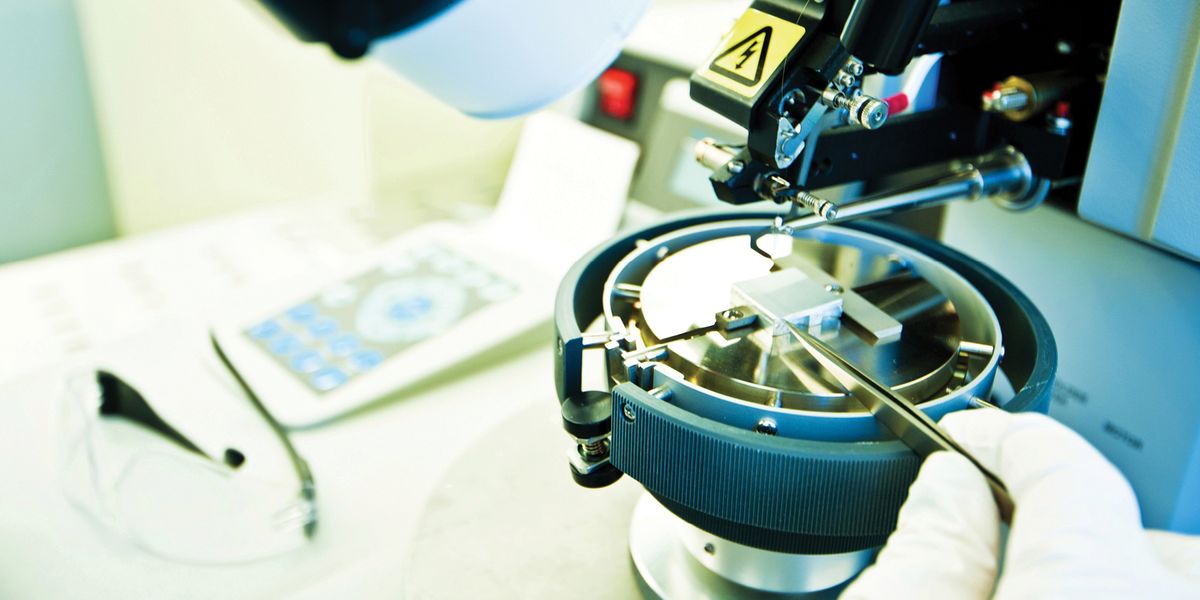
For many, petroleum is synonymous with gasoline and diesel, but its complex hydrocarbon structure holds vast potential for the world of inorganic chemistry. Scientists are now delving into how these hydrocarbons can be harnessed to innovate and revolutionize industries far and wide. From pharmaceuticals to advanced manufacturing materials, petroleum's chemical versatility is opening doors to breakthroughs previously thought impossible.
The Chemical Magic Behind Petroleum
At its core, petroleum is a cocktail of hydrocarbons, which are molecules made up of hydrogen and carbon atoms. These molecules form the backbone of countless chemical reactions and products. In the field of inorganic chemistry, hydrocarbons are being manipulated to create catalysts and materials with enhanced properties. This isn't just lab talk—it's a groundbreaking shift that could redefine how we perceive and use petroleum.
One of the most tantalizing prospects is the development of new catalysts. Catalysts are substances that speed up chemical reactions without being consumed in the process. They're the unsung heroes of the chemical world, making reactions faster, cheaper, and more efficient. By crafting catalysts from petroleum-based hydrocarbons, researchers can potentially streamline chemical manufacturing processes, leading to cost reductions and energy savings.
Bridging the Gap Between Organic and Inorganic
The synergy between organic and inorganic chemistry is where the magic happens. Petroleum, traditionally an organic compound due to its carbon-based nature, is now being explored for inorganic applications. This crossover is paving the way for the creation of hybrid materials that boast superior strength, durability, and functionality.
Take the pharmaceutical industry, for example. The synthesis of certain medications relies heavily on precise chemical reactions involving inorganic compounds. With petroleum-derived catalysts, these processes could become more efficient, reducing production costs and making medicines more accessible to the masses. It's a win-win situation for both producers and consumers.
Industry Implications: A Game Changer
As industries grapple with the challenges of sustainability and cost-efficiency, petroleum's new role in inorganic chemistry could be a game changer. Imagine manufacturing processes that are not only cheaper but also environmentally friendly—it's a tantalizing possibility that could redefine business models across the globe.
In the realm of materials science, the impact is equally profound. The development of stronger, more resilient materials using petroleum derivatives could revolutionize sectors like aerospace, where durability and lightweight materials are paramount. This isn't just about making things better; it's about pushing the boundaries of what's possible.
What's Next on the Horizon?
The exploration into petroleum's role in inorganic chemistry is still in its nascent stages, but the potential is immense. Researchers are keenly investigating new applications and refining techniques to optimize these chemical processes. The journey from fuel source to chemical innovator is a thrilling one, and we're just getting started.
In the coming years, we can expect to see more collaborations between chemical engineers, material scientists, and industrial manufacturers. As these partnerships flourish, the innovations born from petroleum's new role could redefine the landscape of modern chemistry and industry.
Conclusion: The Future is Now
The shift of petroleum from mere fuel to a cornerstone of inorganic chemistry is a testament to human ingenuity and the relentless pursuit of innovation. As we stand on the brink of this chemical revolution, it's clear that petroleum's journey is far from over. The potential applications are vast, and the impact on industries could be transformative.
So next time you fill up your gas tank, take a moment to appreciate the black gold not just for powering your car, but as a key player in the future of chemistry and material science. The future is bright, and it smells like petroleum—not just in the exhaust but in the lab, crafting the innovations of tomorrow.
As we continue to explore the boundaries of what's possible, the question isn't just how we'll use petroleum, but how it will redefine the world around us. The next big leap in chemistry and materials might just be a drop of oil away.