
Martech 2025: Navigating the Future of Marketing Technology
Buckle up, marketers, because 2025 is set to be a game-changer in the world of marketing technology (martech). With marketing strategies evolving at the speed of light, staying ahead of the curve is no longer just an option—it's a necessity. From AI-driven personalization to privacy-centric solutions, let’s dive into the martech trends that are poised to redefine how brands connect with their audiences.
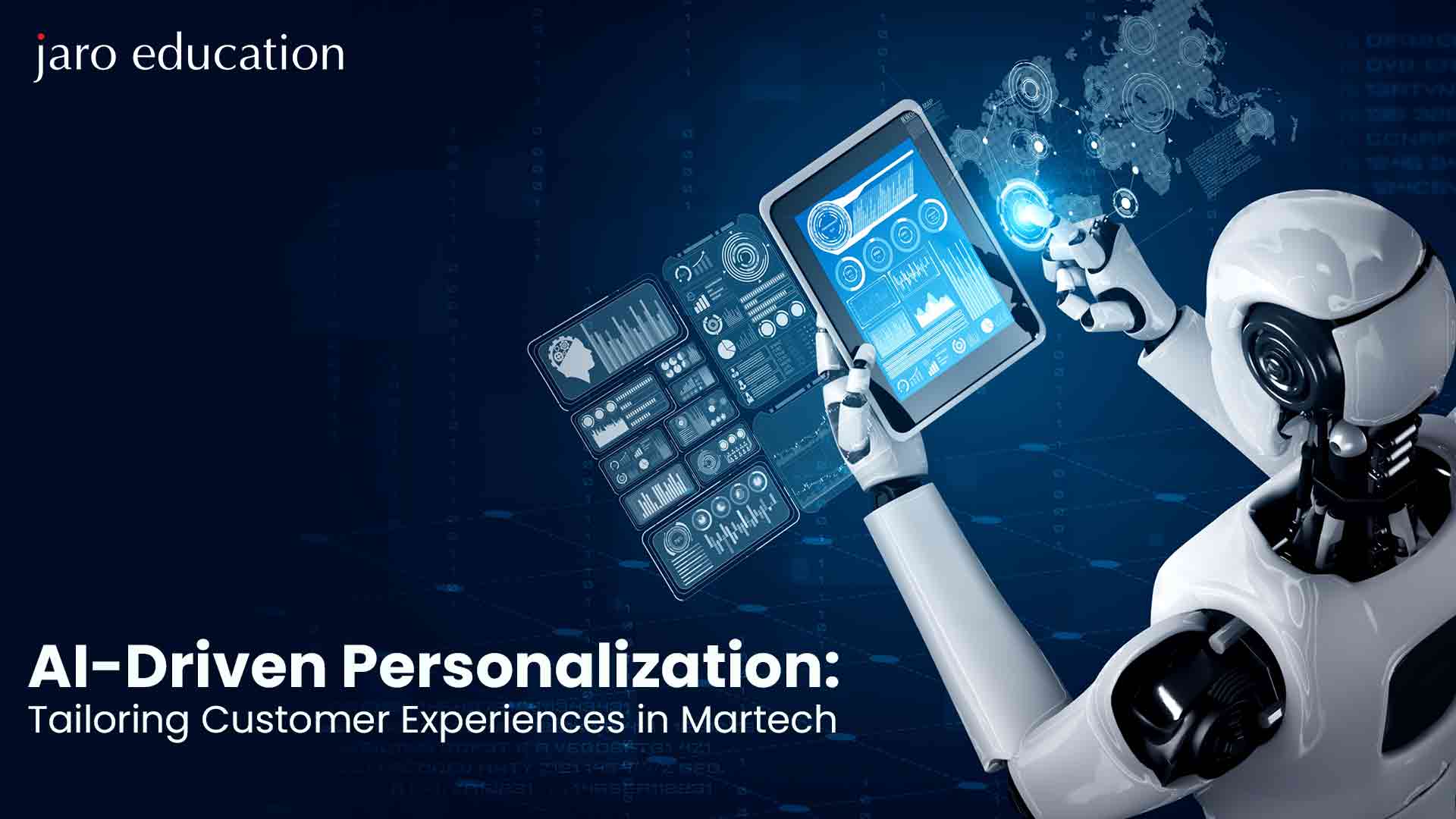
AI-Driven Hyper-Personalization
Imagine walking into a store where every aisle is tailored to your preferences. That's essentially what AI-driven hyper-personalization offers in the digital realm. By leveraging advanced algorithms and machine learning, brands can craft experiences so personalized, they feel almost magical. According to a recent article, AI is not just about efficiency; it's about creating meaningful interactions that resonate on a personal level. As Emma White, a martech analyst, puts it, "AI allows marketers to anticipate consumer needs even before they realize them."
Unified Martech Stacks
Gone are the days of fragmented marketing tools that don't play nice with each other. Unified martech stacks are the new black, merging data, workflows, and processes into a seamless system. This integration is crucial for breaking down silos and ensuring a consistent message across all channels. As noted in the Martech Digest, "The shift towards unified systems is essential for aligning marketing strategies with broader business objectives."
Privacy-First Solutions
In an era where data privacy is more than just a buzzword, it's a mandate, privacy-first solutions are stepping into the spotlight. With data breaches making headlines, consumers are more cautious than ever about how their data is used. Privacy-centric technologies are not just about compliance; they're about building trust. AI plays a pivotal role here, helping brands deliver personalized experiences without compromising user privacy. By prioritizing transparency and consent-driven practices, brands can foster loyalty and trust with their customers.

Return to Digital Roots
Social media platforms may have dominated the last decade, but the pendulum is swinging back towards owned digital platforms. Brands are rediscovering the power of their websites as hubs for interaction. With tighter controls on visibility and engagement on social media, maintaining a robust, directly controlled online presence is crucial. Websites offer a platform for uninterrupted, personalized experiences that directly communicate a brand's value propositions to its audience.
First-Party Data Strategies
With third-party cookies phasing out, first-party data strategies are the new frontier. Collecting and leveraging data directly from customers not only enhances personalization but also ensures better compliance with privacy regulations. As brands navigate this landscape, the focus is on building direct relationships with consumers, using data to deliver experiences that are both meaningful and compliant.
Predictive Analytics
Predictive analytics is the crystal ball of the digital age. By analyzing current and historical data, brands can forecast future consumer behaviors and trends. This foresight allows marketers to make informed decisions, optimize strategies, and anticipate market shifts. As highlighted in the NTT DATA Technology Foresight Report, "Predictive analytics provides a competitive edge by translating data into actionable insights."

The Road Ahead
As we approach 2025, these trends underscore a strategic pivot towards customer-centric, trust-driven marketing. Navigating this evolving landscape will require marketers to integrate tools effectively, prioritize ethical data use, and align innovations with clear objectives. By staying ahead of these trends, brands can not only drive meaningful outcomes but also maintain a competitive edge in a rapidly evolving market.
In the words of tech futurist Mike Bechtel, "The future isn't about predicting what's next. It's about preparing for it." As brands gear up for the coming years, those who embrace these martech trends will be well-equipped to thrive in the digital age.